What Metrics Make a Summer Pop-Up Event Successful?

Hot, Windy, or Rainy? Outdoor Event Tips for Every Forecast
May 26, 2026How to Host an Influencer Event That Actually Delivers a Brand Boost
June 10, 2026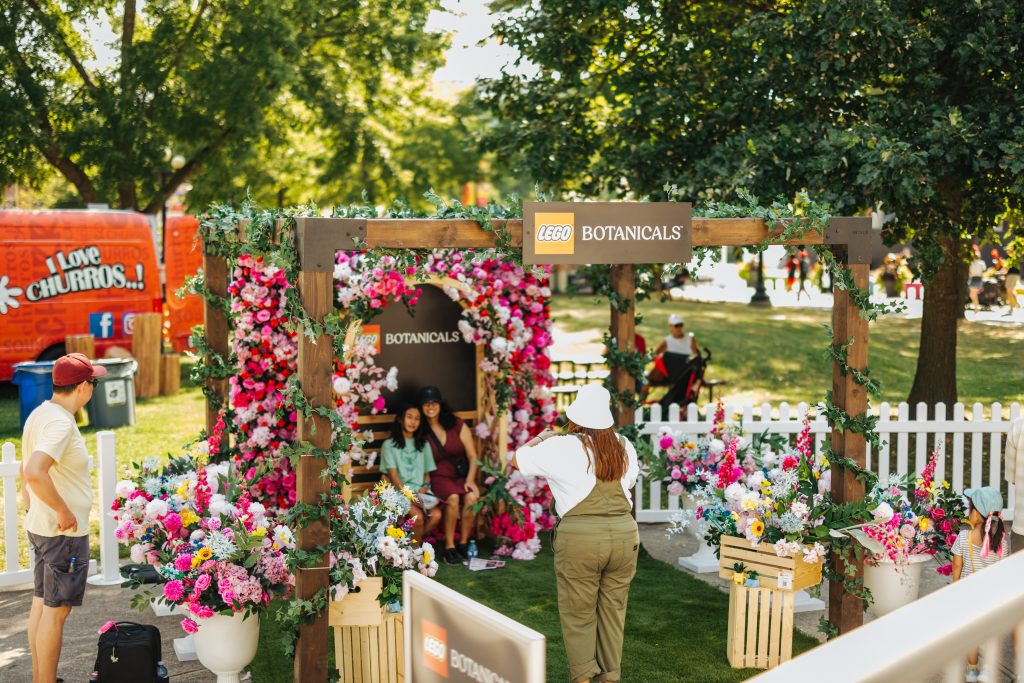
Summer creates plenty of opportunities for brands both new and established.
The warmer weather, the appeal of outdoor events and festivals, and increased consumer activity make summer one of the perfect seasons for experiential marketing.
In particular, this is also the period when branded pop-ups can really attract crowds, generate social posts, and create excitement. However, that doesn’t mean summer will make every event an automatic success.
Good planning and a focus on the right metrics can help determine whether a summer pop-up simply looked busy or actually achieved its intended business goals.
Here are five important metrics brands should track when evaluating the success of a summer pop-up event.
1 – Foot Traffic
Foot traffic is often the first thing brands look at after an activation. It measures how many people visited or engaged with the pop-up during the event period.
At first glance, large attendance numbers can seem like proof of success. However, volume alone rarely tells the full story.
A busy pop-up only becomes valuable when it attracts the intended audience. For example, a luxury skincare brand gains little from thousands of visitors if most attendees fall outside its customer profile.
Brands should think beyond headcount and ask whether the event reached potential buyers, loyal customers, or audiences likely to engage in the future.
High-quality foot traffic often signals that location selection, event timing, promotional efforts, and visual presentation were effective.
2 – Dwell Time
Dwell time measures how long attendees remained engaged with the experience. This metric matters because people naturally spend more time where they feel entertained, educated, or emotionally connected.
If visitors stop briefly for a photo before leaving, engagement may be shallow. On the other hand, longer interaction periods can indicate that demonstrations, immersive experiences, product sampling, or conversations with staff are keeping people interested.
Note that extended dwell time often strengthens brand recall because consumers are more likely to remember an experience they actively participated in instead of one they observed for only a few seconds.
In experiential marketing, creating moments worth staying for can be as important as attracting visitors in the first place.
3 – Lead Generation
Many summer pop-ups are designed with long-term growth in mind instead of immediate sales. Lead generation helps brands understand whether an event created opportunities beyond the activation itself.
This metric may include email sign-ups, newsletter subscriptions, loyalty program registrations, app downloads, consultations, or other forms of customer information capture.
What matters most is not necessarily the number of leads collected, but the likelihood that those individuals will become paying customers.
Strong lead generation reflects an event experience that encouraged visitors to continue engaging with the brand after leaving.
Keep in mind that a well-executed activation will always integrate lead capture naturally instead of making it feel forced or transactional.
4 – Social Media Engagement
Modern pop-ups rarely end when attendees walk away. Social media has become one of the most powerful indicators of whether an activation created genuine excitement.
Things such as tagged posts, shares, mentions, story uploads, and event-related conversations help brands understand how far an experience travelled beyond its physical location.
When attendees voluntarily share content, they effectively become advocates, introducing the brand to new audiences.
Experiential campaigns that generate organic online discussion often achieve a level of visibility that traditional advertising struggles to replicate.
5 – Conversion Rate
Perhaps the most important question after any pop-up event is simple: Did attendees do something valuable afterward?
Conversion rates help answer that. A conversion could mean making a purchase, redeeming an offer, booking a consultation, signing up for a service, or taking another measurable next step.
This metric connects experiential marketing directly to business outcomes. High engagement is useful, but engagement paired with action demonstrates a stronger impact.
Even modest attendance numbers can represent success when a significant portion of visitors convert into customers or qualified prospects.
FAQs About Measuring Summer Pop-Up Event Success
What is the most important metric for a summer pop-up?
The most important metric depends on campaign goals. Some brands prioritize awareness while others focus on leads or conversions.
Why isn’t foot traffic enough to measure success?
Large crowds do not always equal business impact. Audience quality and engagement matter just as much as attendance numbers.
How can brands improve dwell time at events?
Interactive experiences, knowledgeable staff, product demonstrations, and immersive elements often encourage visitors to stay longer.
Are social media metrics reliable indicators of success?
Even though they provide useful insight into visibility and engagement, they should be combined with conversions or lead generation metrics.
Should pop-up event ROI be measured immediately?
Not always. Some benefits appear weeks or months later through increased sales, repeat purchases, or stronger brand recognition.
Conclusion
The success of a summer pop-up event goes beyond crowds and attractive branding. Strong experiential campaigns create meaningful interactions, generate opportunities, and influence customer behaviour after the event ends.
Tracking metrics like foot traffic, dwell time, lead generation, social engagement, and conversions gives brands a clearer picture of what worked and where future activations can improve.
At Tigris Events (powered by Simon Pure), we help brands transform pop-up concepts into experiences designed to engage audiences and deliver measurable results.
We do everything from planning and staffing to execution, to enable you to create events that make an impact beyond the moment itself.