How to Choose Event Swag that Feels Useful and On-Brand

How to Turn Social Media Reach into Real-World Engagement With Influencer Events
June 17, 2026
Outdoor Event Staffing Tips for Summer Activations
July 1, 2026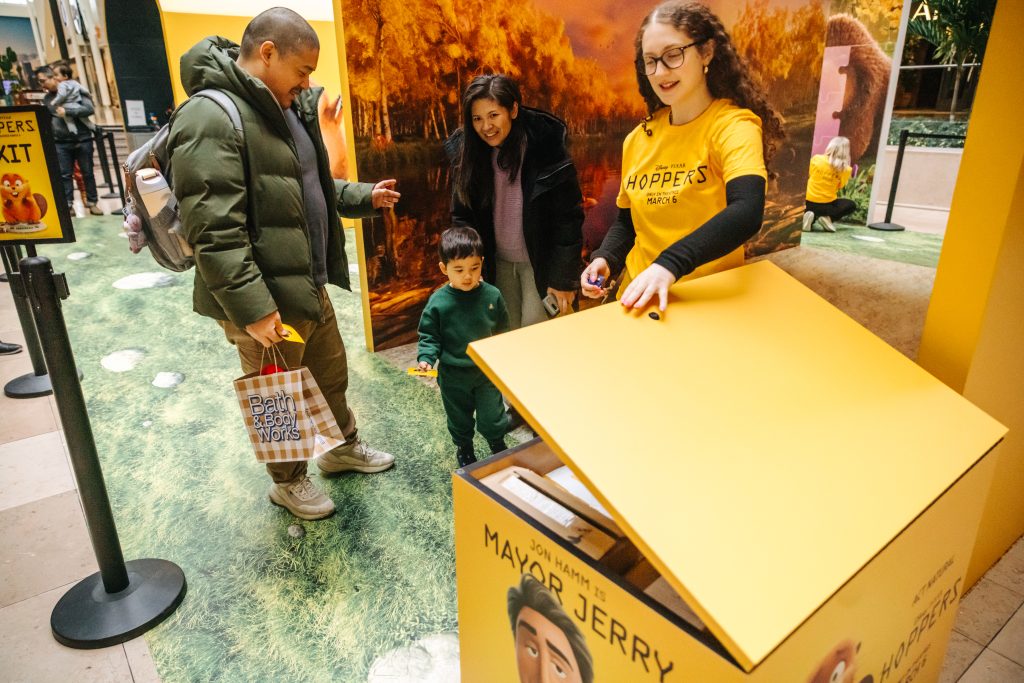
Once you’ve been to enough trade shows, conferences, and brand activations, you’ll start noticing a pattern whereby most event swag gets forgotten almost immediately after it’s handed out.
Attendees collect tote bags full of branded giveaways throughout the day, only to lose half of the stuff inside in their hotel rooms, in airport trash bins, or in office drawers they rarely open again.
This is basically a missed opportunity for meaningful brand engagement.
After all, the best event swag not only displays the brand logo but also becomes part of someone’s routine. It solves a small problem, improves the attendee experience, or creates a positive association that lasts beyond the event itself.
For brands investing heavily in experiential marketing, swag should never feel like an afterthought. Every item handed out at a live event becomes an extension of the brand experience.
Here are five ways brands can choose event swag that’s useful while still supporting a strong, memorable brand identity.
Prioritize Everyday Utility Over Novelty
The most successful swag items are usually practical. This is because attendees are more likely to keep and repeatedly use products that fit naturally into their workday, travel routine, or daily life.
Items such as reusable water bottles, portable chargers, quality notebooks, luggage tags, tech organizers, insulated tumblers, webcam covers, and compact desk accessories outperform gimmicky items because they offer ongoing value.
Always remember that repetition creates familiarity. Every time someone uses a branded item at the office, on the road, or at home, your brand earns another impression without additional ad spend.
Experiential marketing works best when it extends beyond the event floor itself. Useful swag helps bridge that gap by turning a one-day interaction into long-term visibility.
However, that doesn’t mean every giveaway needs to be expensive. It’s a clear reason as to why brands should think carefully about whether the item actually earns a place in someone’s routine.
Match the Swag to the Audience and Event Environment
One of the fastest ways to make swag feel disconnected is to choose generic items that ignore the event’s context.
A tech conference audience may appreciate productivity tools or travel-friendly accessories.
On the other hand, a wellness activation may benefit from hydration products, recovery kits, or health-focused merchandise.
The environment matters too. Attendees navigating airports and convention centers typically prefer lightweight, portable items that fit easily into luggage.
Oversized or inconvenient swag often gets discarded before attendees even leave the venue.
Remember that strong experiential campaigns align giveaways with attendee behaviour and event realities. Brands that understand their audience’s needs to create interactions that feel intentional and not transactional.
Focus on Quality and Not Quantity
There’s a common temptation at large events to maximize volume at the expense of quality. But attendees notice the difference immediately.
Poorly made items can unintentionally communicate the wrong message about a brand. Cheap materials, weak packaging, unreliable tech products, or poorly designed merchandise may save money upfront, but they can dilute brand perception in the process.
In-person marketing creates tangible experiences. Every physical touchpoint contributes to how attendees perceive the company behind it.
A smaller number of high-quality items often creates more impact than thousands of forgettable giveaways.
This doesn’t mean that brands need luxury budgets. Quality can come through in thoughtful design, durable materials, clean branding, and usefulness instead of just sheer cost.
Minimal, well-executed branding also tends to perform better than oversized logos covering every surface. People are more likely to use products that feel stylish or professional and not overly promotional.
Make the Swag Part of the Experience
The most effective event swag doesn’t feel disconnected from the activation but becomes part of the overall experience.
Instead of handing out merchandise passively, leading experiential campaigns integrate swag into attendee engagement itself.
Some brands reward participation through games or demos. Others personalize products onsite, create tiered giveaway systems, or tie merchandise directly to interactive experiences.
Experiential marketing succeeds because people remember how brands make them feel. Swag becomes more effective when it supports that emotional experience instead of functioning as standalone advertising.
This is also where trained event staff can significantly impact results. The interaction surrounding the giveaway often matters just as much as the product itself.
Skilled brand ambassadors understand how to create conversations and engagement moments that make the exchange feel authentic.
When swag is woven naturally into the activation, it becomes part of the story attendees take home with them.
Choose Swag That Reflects Brand Values
Today’s audiences pay close attention to alignment between brand messaging and brand behavior.
If a company promotes sustainability, innovation, wellness, creativity, or premium quality, its event swag should reinforce those same ideas.
Note that consistency matters because experiential marketing is all about reinforcing brand identity in a physical environment.
Every detail contributes to the overall perception attendees form during the event. When swag aligns with the company’s values and positioning, the campaign feels cohesive and intentional.
Brands should also think about visual consistency, such as colours, messaging, and packaging. The product selection should feel connected to the broader campaign and not randomly assembled.
FAQs About How to Choose Event Swag that Feels Useful and On-Brand
What makes event swag effective?
Effective event swag provides real value to attendees while reinforcing brand recognition. The best giveaways should be practical, high-quality, and relevant to the audience or event experience.
Should brands prioritize premium swag or large giveaway quantities?
In most cases, fewer high-quality items create stronger long-term brand impressions than large quantities of low-cost products.
How can brands make swag feel less promotional?
By enhancing subtle branding, modern design, and useful functionality, to make the giveaways feel more authentic.
What types of swag work best at trade shows?
Portable, practical products usually perform well at trade shows. Popular options include tech accessories, reusable drinkware, notebooks, chargers, travel items, and productivity-focused giveaways.
Conclusion
Choosing the right event swag is more than just printing a logo on merchandise. The best giveaways strengthen the attendee experience, support meaningful engagement, and continue representing the brand after the event ends.
When swag feels useful, intentional, and aligned with the overall activation strategy, it becomes part of the experiential impact.
At Tigris Events (powered by Simon Pure), we help brands create experiential campaigns that leave lasting impressions through thoughtful planning, strategic staffing, and memorable live-event execution.