Outdoor Event Staffing Tips for Summer Activations

How to Choose Event Swag that Feels Useful and On-Brand
June 17, 2026
Best Practices for Summer Food and Beverage Sampling
July 6, 2026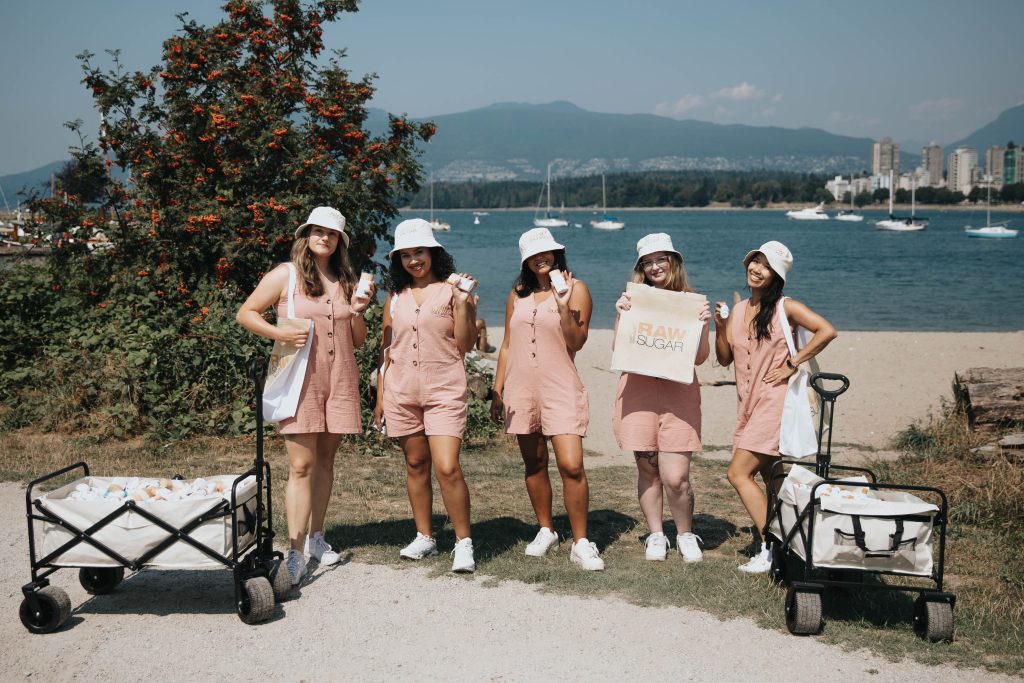
It’s hardly a secret that Summer is prime time for experiential marketing. The longer days, warmer weather, and packed event calendars all point to increased attention from your audience.
This makes it a great time for everything from product sampling campaigns and mobile tours to festivals, sporting events and pop-up experiences.
However, even the most creative activation concept can struggle if the staffing strategy falls short and your people on the ground are disorganized.
Don’t forget that outdoor events introduce variables that indoor environments don’t have to worry about. Heat, crowds, logistics, weather shifts, and long operating hours all put added pressure on event teams.
Plus, the people representing your brand on-site become the face of the experience, often determining whether attendees walk away engaged, indifferent, or ready to buy.
Fortunately, according to research, marketers continue to prioritize in-person events because of their ability to build stronger customer relationships and generate meaningful engagement that drives results.
So, if you’ve got an activation scheduled for summer, here are the staffing event tips that you need to consider.
Prioritize Staff Training Beyond Product Knowledge
Many brands focus heavily on product education when preparing event staff, but successful summer activations require much more than memorized talking points.
Outdoor event staff often serve as brand ambassadors, customer service representatives, problem-solvers, and crowd managers simultaneously.
They need to understand the event objectives, audience demographics, campaign messaging, escalation procedures, and customer engagement techniques.
Training should also prepare staff for real-world scenarios. This includes what happens if attendance exceeds expectations, how to handle difficult customer interactions, among other things.
Well-trained staff are more likely to create authentic conversations that resonate with attendees. Instead of sounding scripted, they can adapt messaging naturally while keeping interactions aligned with brand goals.
Build Staffing Plans Around Weather and Physical Demands
Summer events can be physically demanding. Brands often underestimate how quickly outdoor conditions can affect energy levels.
Note that fatigued staff are less engaging, less attentive, and less effective at representing the brand.
A strong staffing strategy includes scheduled breaks, hydration plans, shaded rest areas, and appropriate shift rotations.
Depending on the activation size, it may also be beneficial to schedule backup staff who can step in if needed.
Uniform selections should also be considered carefully. While maintaining brand consistency is important, staff should be equipped with comfortable clothing that supports long hours outdoors.
Hire Based On Personality and Communication Skills
While product expertise can be taught, strong interpersonal skills are much harder to develop in a short training period.
The best event staff know how to approach attendees, can read body language, start conversations naturally, and make people feel comfortable participating in the activation.
Brands should look for staff who demonstrate adaptability, professionalism, and strong customer-facing experience.
Outdoor activations often attract diverse audiences, meaning staff must be comfortable communicating with a wide range of attendees.
In many cases, the staff themselves become one of the most memorable parts of the experience. Their ability to represent the brand authentically can leave a lasting impression long after the event.
Plan for Crowd Flow and Guest Experience
One common mistake brands make during summer activations is focusing entirely on the attraction itself while overlooking crowd management.
Remember that even the most visually impressive activation can create frustration if attendees encounter long wait times, confusing layouts, or poor communication.
Event staff should be strategically positioned throughout the experience and not just at entry points.
Team members can help direct traffic, answer questions, manage lines, and guide attendees through different stages of the activation.
This is important during festivals, sporting events, and high-traffic public gatherings where attendee volumes can fluctuate dramatically throughout the day.
Align Staffing Metrics With Marketing Goals
Event staffing should never be viewed as a standalone operational function. It should directly support the campaign’s broader marketing objectives.
Before the activation begins, brands should clearly define success metrics, whether that’s generating leads, driving product trials, increasing app downloads, or capturing customer feedback.
When staff understand the purpose behind the activation, their interactions become more intentional and effective.
Clear performance expectations also allow marketing teams to evaluate results more accurately after the event.
FAQs About Outdoor Event Staffing Tips for Summer Activations
Why is staffing so important for outdoor summer activations?
Event staff are often the primary point of contact between attendees and the brand. Their ability to engage, educate, and assist guests directly impacts the overall success of the activation.
How many staff members should an outdoor event have?
The ideal staffing level depends on expected attendance, activation size, event duration, and campaign goals. Large-scale activations typically require additional personnel for crowd management, guest support, and operational coverage.
What qualities make a great brand ambassador?
Strong communication skills, professionalism, adaptability, enthusiasm, and customer service experience are some of the most valuable qualities in event staff.
How can brands prepare staff for hot weather conditions?
Providing hydration stations, shaded break areas, weather-appropriate uniforms, and scheduled rest periods to help them remain comfortable and effective throughout the event.
Should event staff receive campaign-specific training?
Yes. Apart from product education, staff should understand campaign objectives, audience profiles, engagement strategies, and event logistics to deliver a consistent brand experience.
Conclusion
Outdoor summer activations create valuable opportunities for brands to engage consumers in memorable and meaningful ways.
While creative concepts and eye-catching installations often attract attention, it is the people behind the experience who determine its success.
Strategic staffing helps ensure every interaction reflects the brand’s values, supports campaign goals, and delivers a seamless attendee experience.
As experiential marketing continues to play an important role in modern brand strategy, organizations that prioritize professional staffing will be better positioned to create authentic, high-impact experiences that consumers remember.
At Tigris Events (powered by Simon Pure), we help brands execute exceptional experiential campaigns with professional staffing solutions designed to elevate engagement, streamline operations, and bring ambitious event visions to life.