What Metrics Make a Summer Pop-Up Event Successful?

Trade Show Giveaway Ideas That Get Remembered
July 21, 2026
Hot, Windy, or Rainy? Outdoor Event Tips for Every Forecast
August 4, 2026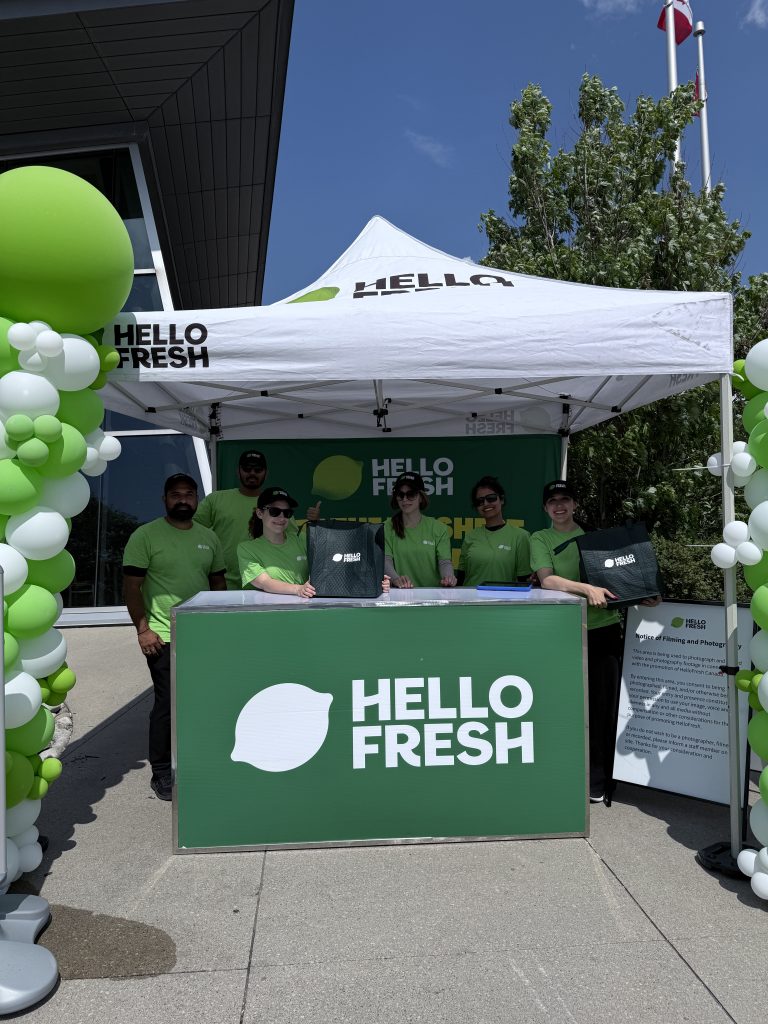
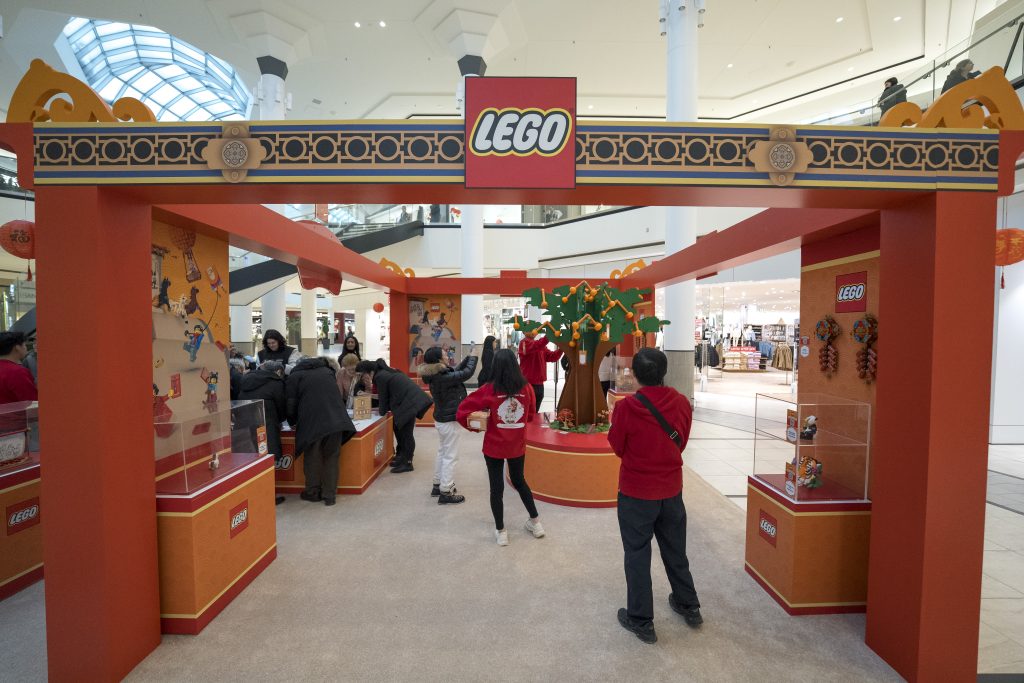
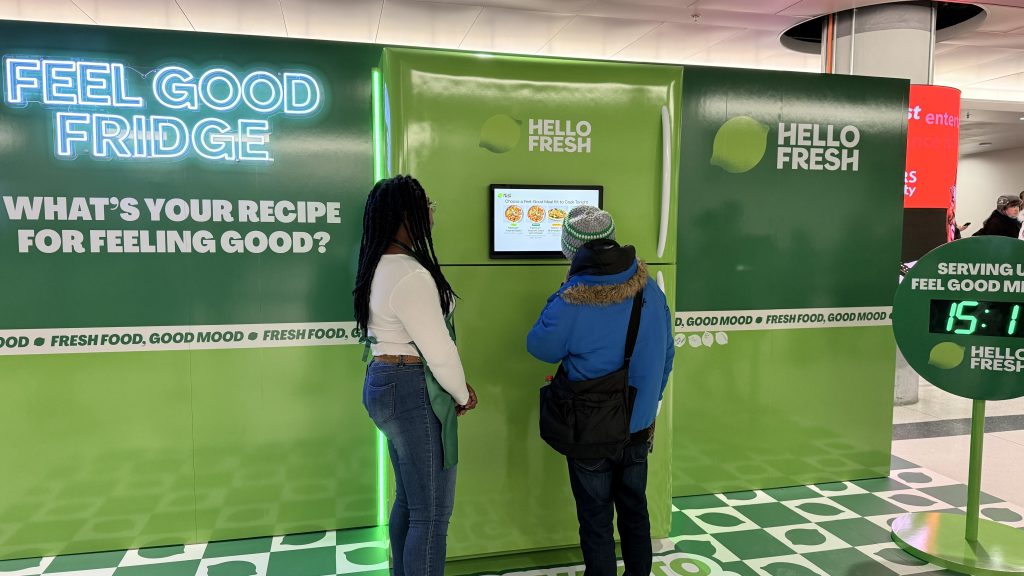
A great pop-up always feels effortless from the outside. You’ll see guests wander in, snap a photo, grab a sample, and move on with a smile.
But behind that easy, sun-soaked moment is a brand asking a much harder question once the tents come down: everybody wants to know whether it actually worked.
We all know that summer is the peak season for pop-ups. There are longer days, packed festival calendars, and consumers are simply outside, thus creating the right conditions for activations that pull crowds.
However, crowds alone don’t tell you whether an event moved the needle for your brand. That means you need to determine the right metrics to track from the beginning.
Below are the key metrics that matter most.
Foot Traffic
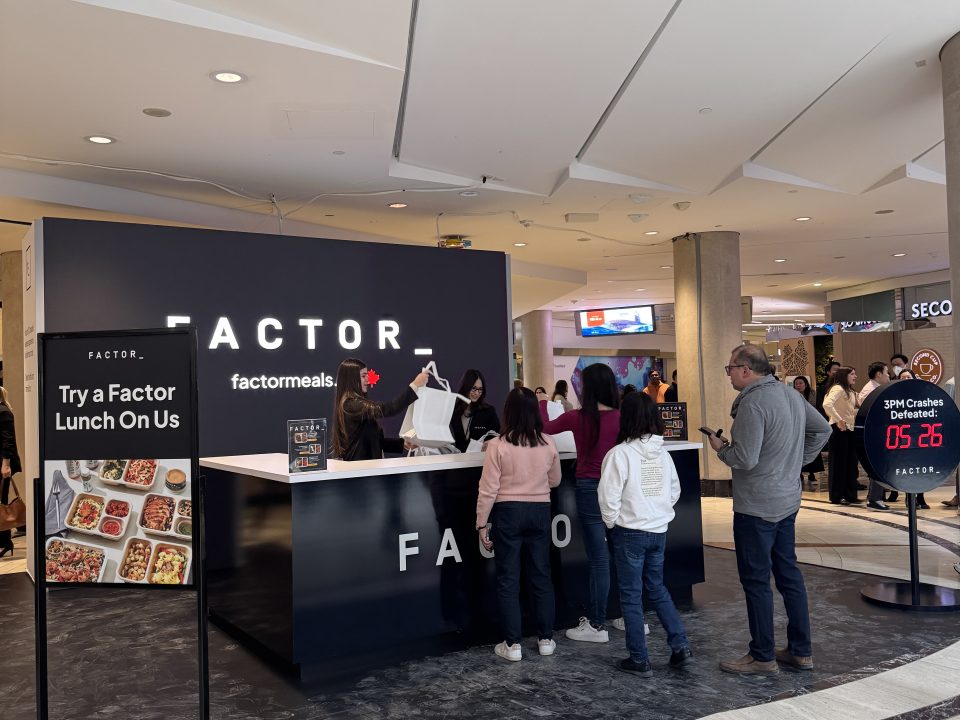
Foot traffic is the most obvious metric, and often the most misunderstood. This metric tells you how many people actually engaged with your space.
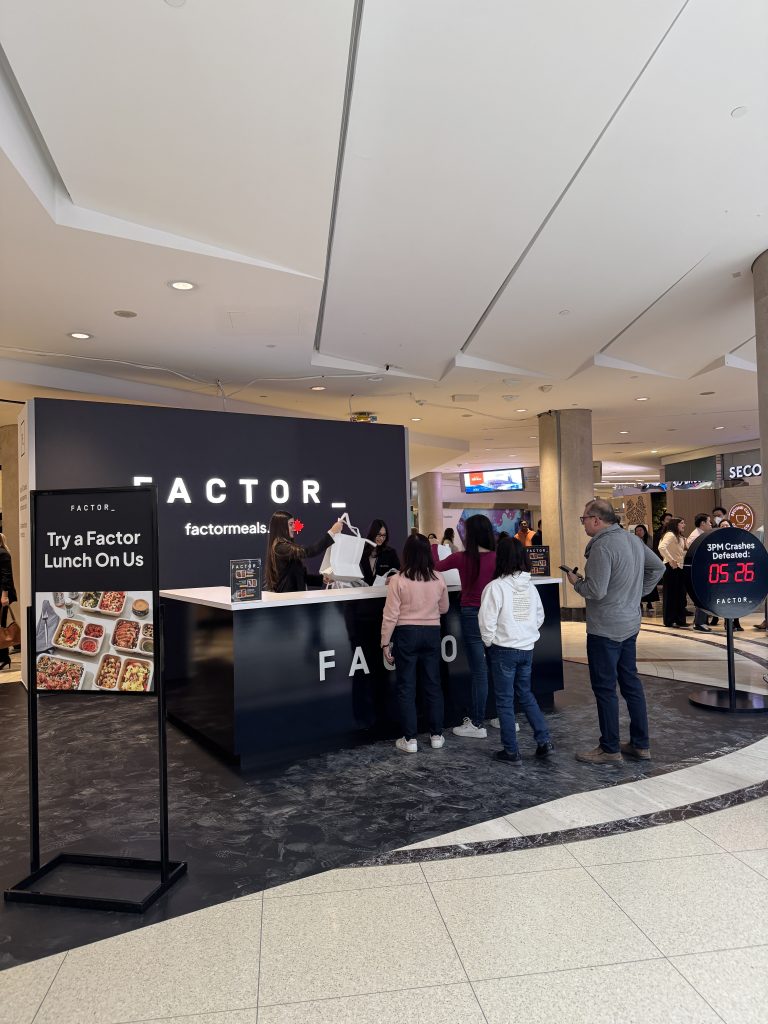
Note that a busy corner doesn’t guarantee a busy booth, which is why brands mostly use people-counting sensors, RFID check-ins, or simple staff-logged tallies to separate genuine visits from passersby.
Remember that foot traffic sets the ceiling for every other metric since you can’t generate leads or conversions from people who never stop.
You can track it by time of day and location within the activation. This lets you see which zones pulled the most attention and whether staffing was positioned where the energy actually was.
Dwell Time
How long someone stays says more about your activation than how many people show up.
A visitor who lingers for eight minutes is absorbing your brand story, trying your product, and talking to your team, but one who’s gone in ninety seconds probably isn’t.
Longer dwell time correlates with stronger product understanding and recall, which is one reason hands-on formats consistently outperform passive ones.
Industry research data shows that hands-on activations improve product comprehension more effectively than static or digital formats.
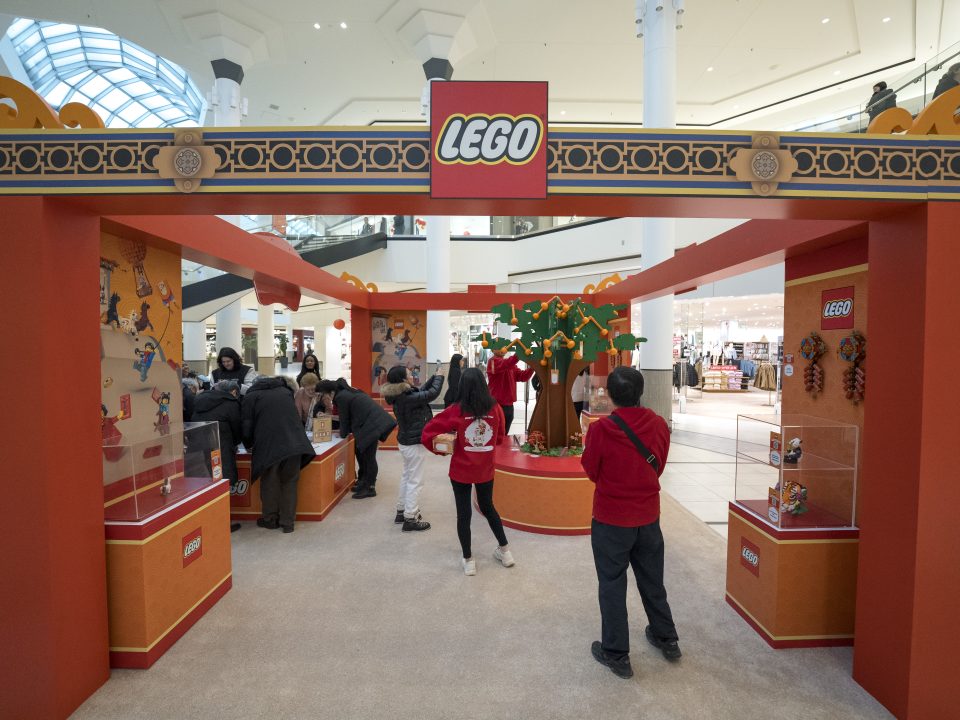
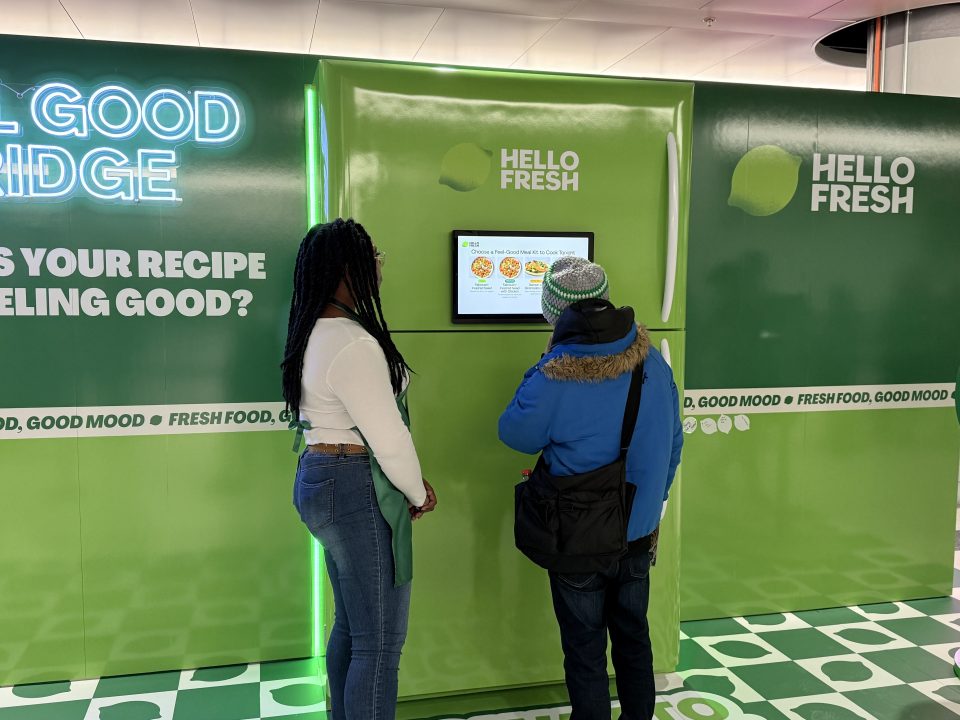
Interactive stations, tasting bars, and guided demos all extend the time guests spend in your world instead of just walking through it.
If your average dwell time is short, the fix usually isn’t more foot traffic but a better reason to stay.
Lead Generation
Foot traffic and dwell time tell you people showed up and paid attention. On the other hand, lead generation tells you whether any of that turned into a real business opportunity.
This is where digital tools earn their keep. QR code sign-ups, tablet-based data capture, and CRM integrations at the point of engagement turn a fleeting conversation into a contact your sales or marketing team can actually follow up on.
The right event technology makes this frictionless for guests, instead of feeling like a form to fill out.
Always remember to set a lead target before the event and not after. A pop-up that generates 50 warm sign-ups and demo requests is more successful than one that draws double the crowd but collects nothing.
Social & Digital Engagement
Summer pop-ups have a life well beyond the footprint of the activation itself.
Things like branded backdrops, hashtag challenges, and shareable moments extend your reach to everyone in a guest’s network, often at no additional media spend.
Consumers who find an event genuinely engaging are highly likely to post about it, and most attendees create some form of digital content while they’re there.
While this is a built-in amplification channel, it only works well if the activation gives people something worth sharing.
Track hashtag usage, geotagged posts, and any earned impressions alongside your paid metrics to get the full picture of reach.
This is also where good field market research pays off after the event. It helps brands understand not just how many people posted, but what they said.
Conversions & Sales Impact
This is one of those metrics leadership cares about most. They always want to understand whether the activation moves the product or the pipeline.
For retail and CPG brands, that might mean tracking redemption of an on-site offer or lift in nearby point-of-sale data. But for B2B brands, it might mean demo requests that convert to meetings weeks later.
Brands that invest in experiential pop-ups have reported measurable gains in market visibility and sales following an activation, which is exactly why conversion tracking shouldn’t stop when the event ends.
Build a follow-up window into your measurement plan, whether that’s two weeks or two months, so you’re capturing the sales influence that shows up after guests go home.
FAQs About What Metrics Make a Summer Pop-Up Event Successful
Which metric matters most for a summer pop-up?
Most B2C brands often prioritize foot traffic and social engagement, while B2B and lead-driven brands weigh lead generation and eventual conversions more heavily.
How soon after the event should we measure success?
Immediately. But for foot traffic, dwell time, and social engagement, give it several weeks to months for full conversion and sales impact, since purchase behaviour often trails the event itself.
Do social media mentions actually indicate business impact?
No. Social mentions are only useful for visibility and brand sentiment, but should be paired with lead or conversion data for a complete read on ROI.
What tools help track these metrics on-site?
QR code lead capture, RFID check-ins, people-counting sensors, and CRM-integrated tablets are the most common options you can implement.
Can a pop-up be successful even if attendance is lower than expected?
Yes. A smaller but highly engaged, well-targeted crowd that converts often delivers more business value than a large but passive one.
Conclusion
A successful summer pop-up is not defined by crowd size alone but what happens once people arrive, how long they stay, whether they hand over their information, whether they talk about it online, and whether any of it eventually turns into a sale.
At Tigris Events (powered by Simon Pure), we help brands design summer pop-ups with measurement built in from the start to the end.
We do everything from event planning to on-site staffing and reporting to ensure your next activation delivers more than just good photos.