Best Practices for Summer Food and Beverage Sampling

Outdoor Event Staffing Tips for Summer Activations
July 1, 2026
What Makes an Influencer Event Effective for Product Awareness
July 14, 2026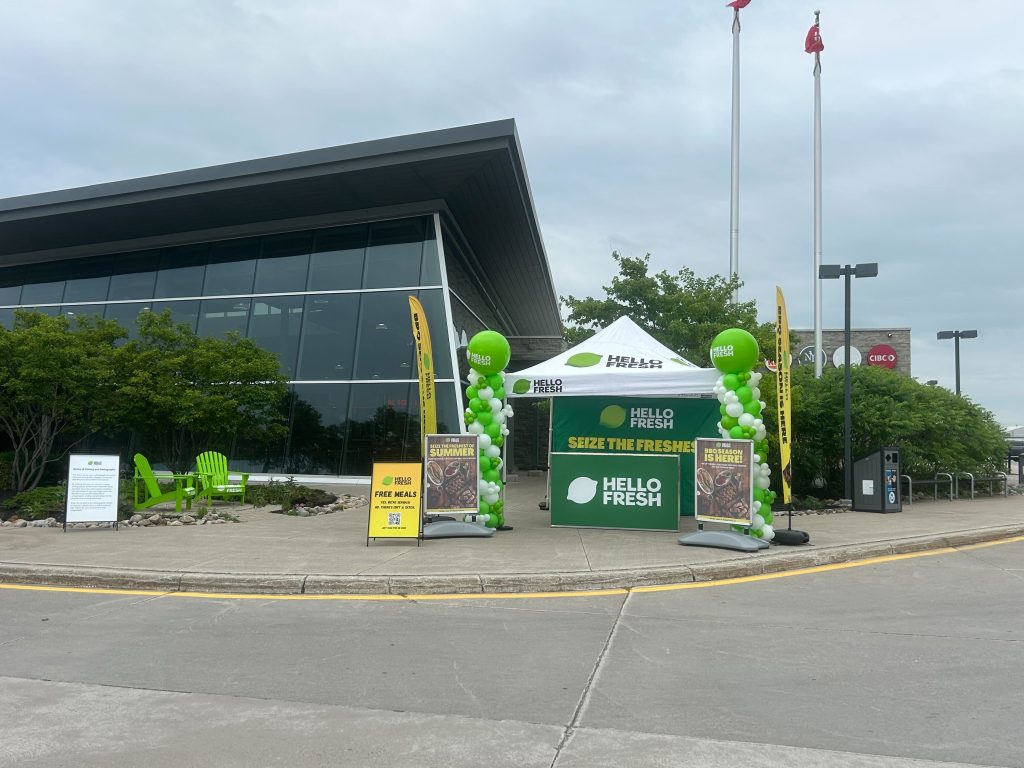
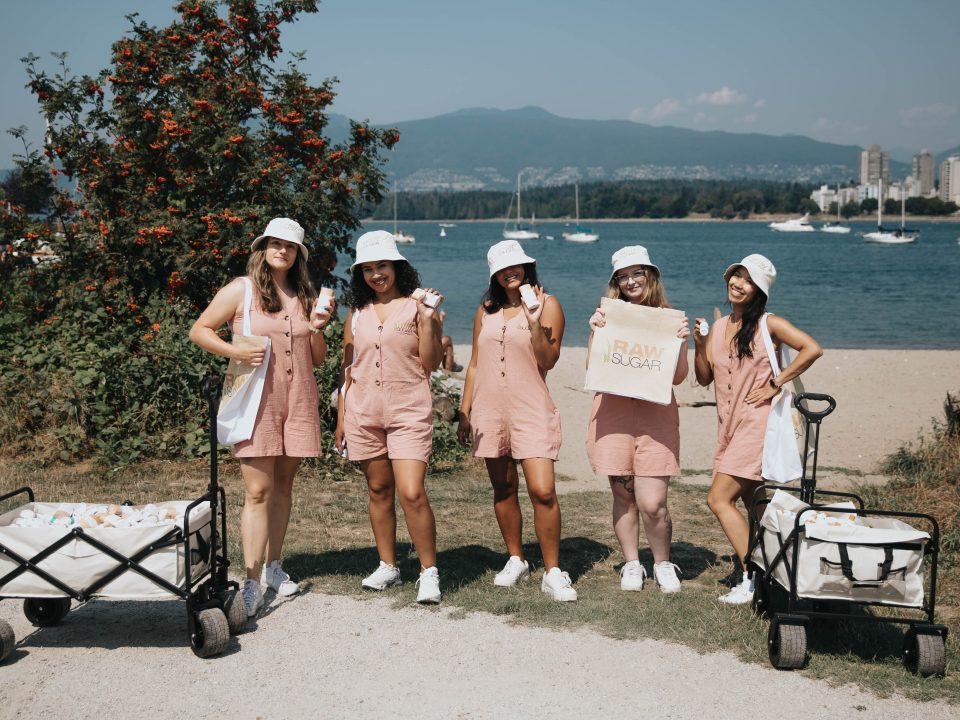
There’s a reason food and beverage sampling shows up at nearly every summer activation.
During this period, people are outside, they’re warm, and they’re far more receptive to trying something new, especially when it comes with a cold drink or a quick bite in hand.
However, summer also brings its own set of challenges, such as heat, crowds, and logistics that can turn a great sampling idea into a melted, mismanaged mess if it isn’t carefully planned.
But when it’s done right, sampling is one of the most direct ways to turn a passerby into a customer.
Here’s what actually makes a summer sampling activation work.
Plan Around the Heat and Not Against It
Summer sampling lives or dies by how well you’ve planned for temperature. Anything perishable, dairy, fresh produce, and certain beverages need a cold chain that holds up for hours in direct sun and not just during the drive over.
That means investing in proper coolers, ice replenishment schedules, and shaded or covered serving areas.
It’s worth building this into the same planning conversation you’d have around any outdoor or seasonal activation, where weather conditions shape nearly every logistical decision.
Remember that a sample that arrives warm or spoiled will definitely work against the brand impression you’re trying to create.
Keep Portions Small and the Process Fast
Always remember that the goal of a sample is not to fill someone up, but to create a quick, positive moment that’s easy to say yes to.
Oversized portions slow down your line, increase costs, and often go half-eaten in the heat anyway.
A small, well-presented portion that someone can taste in two bites keeps the line moving and keeps the experience feeling effortless.
Also, speed matters just as much in summer crowds, where people are often moving between multiple booths or vendors and don’t want to wait long for a sample.
Train Staff to Sell the Experience and Not Just Hand It
A sample handed over silently is just free food, but a sample handed over with a quick, genuine line about what makes it worth trying turns that same moment into a brand interaction.
Staff don’t need a script but enough product knowledge to answer a quick question or make a natural recommendation while they serve.
This is where trained brand ambassadors make a real difference over general event help. People who understand the product and the brand story can read the moment, know when to chat and when to keep the line moving.
Account for Dietary Needs and Local Health Regulations
Outdoor food sampling comes with more regulatory overhead than most teams expect.
Many cities and counties require specific permits for food handling at public events, along with rules around temperature control, handwashing stations, and food handler certifications.
It’s also worth clearly labeling common allergens and offering at least one option that covers common dietary restrictions, whether that’s vegan, gluten-free, or nut-free.
A little signage here goes a long way toward making more of your crowd feel comfortable trying what you’re offering, rather than walking past because they’re unsure what’s in it.
Use Sampling to Capture More Than the Taste
A sample is a moment of trust, and that trust is worth more than the bite itself, especially if you build a small next step into the interaction.
A QR code on the sampling cup or napkin that leads to a discount, a recipe, or a product page gives people a reason to think about your brand again after they’ve finished eating.
This mirrors a pattern seen across event marketing generally. Just as tradeshow leads need timely follow-up to convert into something more, a sampling interaction works best when it’s connected to a clear next step.
Pairing your sampling station with a custom display that reinforces your branding and messaging also helps people connect the taste they just had to the product they’ll see later on a shelf.
FAQs
How do I keep samples cold in extreme summer heat?
Use commercial-grade coolers with regular ice replenishment, set up in shaded or covered areas, and limit how long the product sits out before being refreshed.
What size should a sample portion be?
Small enough to taste in one or two bites. Oversized portions, slow service, increase cost, and often go to waste in the heat.
Do I need a permit for outdoor food sampling?
In most cities and counties, yes. Requirements vary by location, so it’s worth checking local health department rules well ahead of the event.
How many staff do I need for a sampling booth?
It depends on expected foot traffic, but a good rule of thumb is enough staff to keep the line moving without rushing the interaction, often two to four people for a busy summer event.
How can I track whether sampling actually drives sales?
Pair samples with a QR code, discount code, or sign-up sheet so you can measure how many people take action after trying the product.
Conclusion
At Tigris Events (powered by Simon Pure), we know summer sampling only works when the logistics are handled as carefully as the experience itself.
We help brands handle everything from cold chain planning to trained brand ambassadors who know how to turn a quick taste into a real connection.
So, if you’ve got an event coming up this summer, get in touch with us today!