The Return of Analog: Why Brands Are Bringing Real-World Connection Back

How Event Partnerships Can Help Your Marketing Budget Go Further
October 21, 2026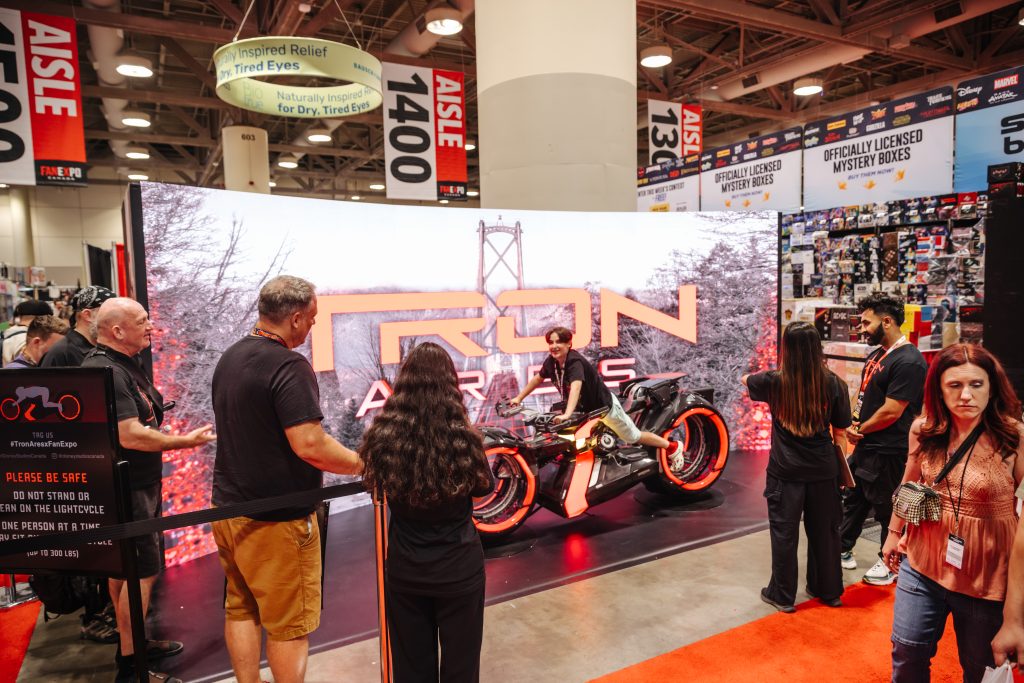
Not long ago, every brand wanted to go digital. Screens replaced signage, apps replaced conversations, and virtual events replaced handshakes.
Now the pendulum is swinging back. Record players are selling again, film cameras are showing up at weddings, and paper planners are back on desks.
The majority of the people who grew up online are choosing experiences they can hold, hear, and share in person.
Smart brands are paying attention. Note that this is not about giving up digital channels or chasing nostalgia but recognizing what people are missing and meeting them there.
So why is analog making a comeback, and why are brands investing in real-world connection again? Let’s find out in this article.
Screen Fatigue Has Reached a Tipping Point
People spend much of their day on screens, and many are feeling the strain.
Deloitte’s research found that more than half of Gen Z struggle to limit their screen time, and the older audiences feel it too, especially after years of remote work and virtual meetings.
That fatigue changes how people respond to marketing. Another ad in a crowded feed feels like more noise, while physical experience feels like relief.
This is why brands are creating moments that give people a break from their devices. A listening lounge, a hands-on workshop, or a screen-free dinner offers something rare: permission to slow down.
When a brand provides that relief, it earns goodwill. Guests connect the brand with how they felt, instead of just what they saw.
Younger Audiences See Analog as New, Not Nostalgic
It would be easy to assume analog appeals mainly to older consumers. The opposite is true. Younger generations are driving the trend.
Fortune reports that yearly sales of analog goods like books, records, film cameras, board games, and paper planners have passed $5 billion, with Gen Z leading the growth.
The Hollywood Reporter notes that Gen Z and millennials even led global classical concert attendance in 2025.
For these audiences, analog is not a memory but a discovery. A printed photo or a vinyl record feels fresh, personal, and a little bit special.
That matters for brands trying to reach younger buyers. Physical experiences give them something they can’t scroll past and also give brands a way to feel more authentic.
Undivided Attention Is Harder to Earn Online
Digital marketing competes with everything else on a phone. Messages, news, videos, and other brands are always one swipe away. Even when someone sees your ad, their attention rarely stays for long.
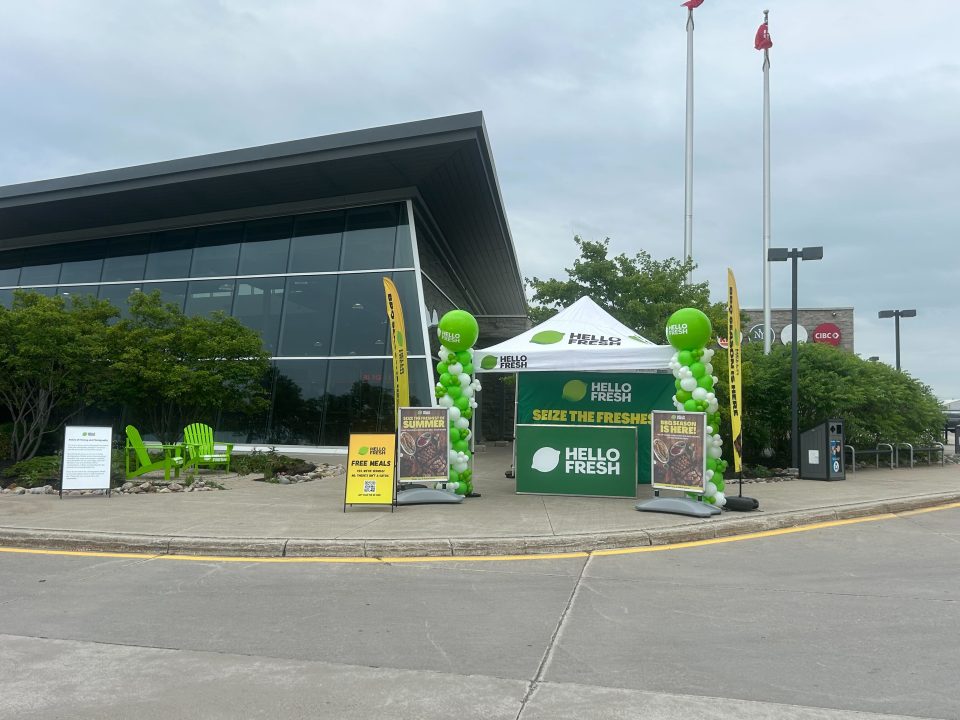
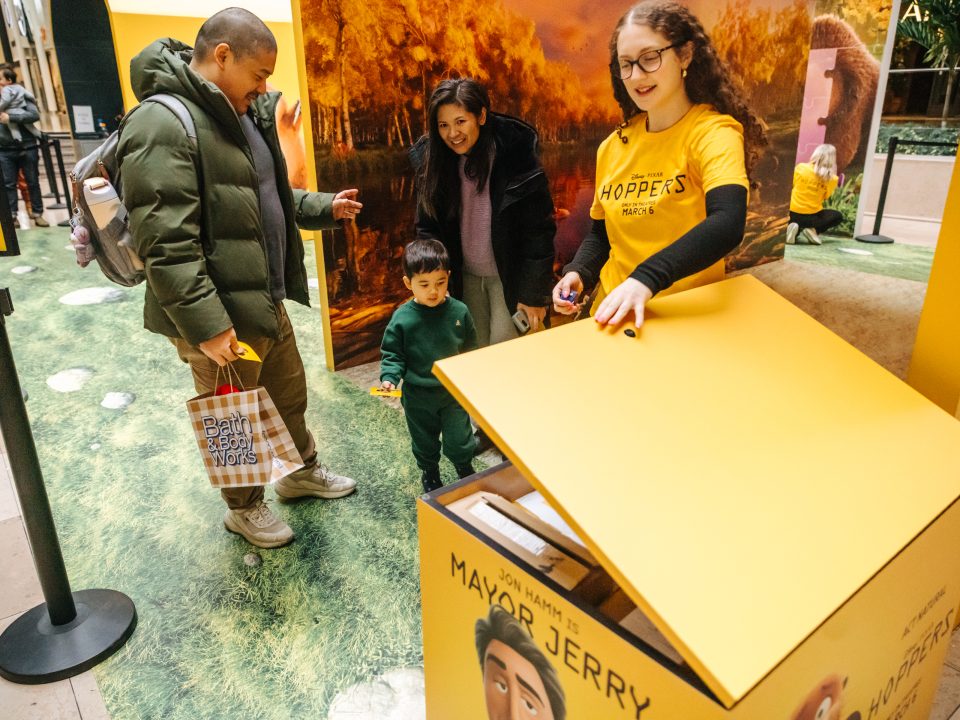
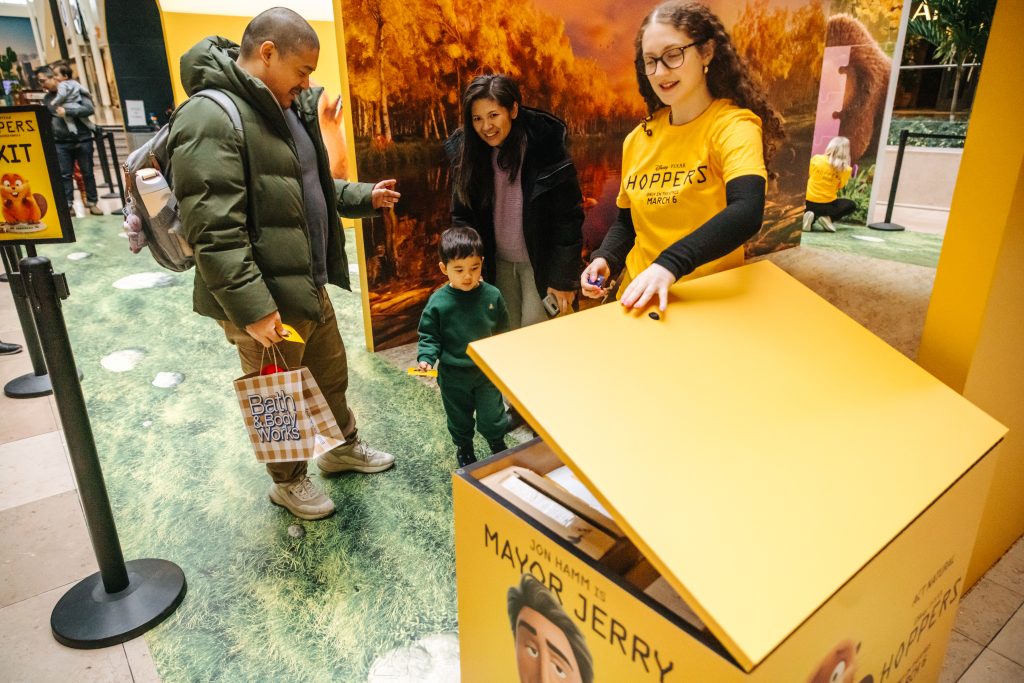
Real-world experiences work differently. When someone walks into an activation, they’ve chosen to be there. Their focus is on the space, the people, and the brand in front of them.
This is one reason brands are designing more intimate events. A small, well-planned gathering can hold attention for an hour, while a digital campaign may hold it for a few seconds.
Undivided attention is valuable, and it’s becoming scarce. Analog experiences offer one of the few reliable ways to earn it.
Tangible Experiences Stay in Memory Longer
People remember what they touch, taste, hear, and make. Physical experiences engage more senses than a screen can, and that makes them stick.
The impact on purchasing is clear. According to EventTrack, 85% of consumers are likely to buy after taking part in events and experiences, and over 90% come away feeling more positive about the brand.
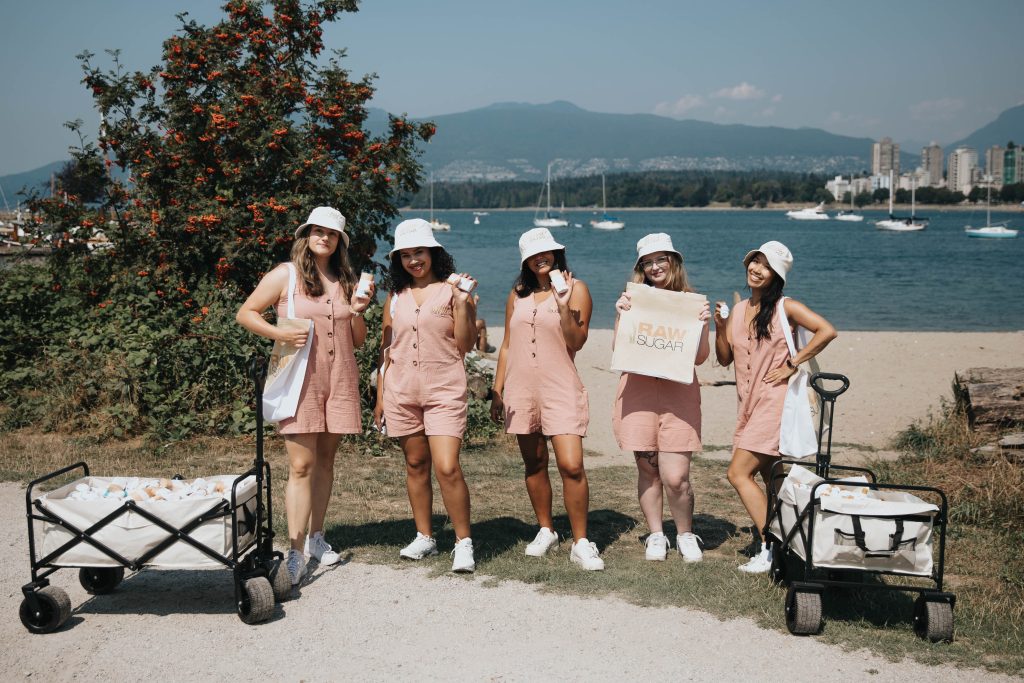
Physical keepsakes extend that memory. A printed photo on a fridge, a handwritten note, or a personalized item keeps a brand in view for weeks, but a digital impression by comparison disappears in seconds.
That’s why tangible takeaways are gaining favour again. The key is choosing items people want to keep.
Face-to-Face Connection Builds Trust Faster
Trust is harder to earn than ever. Consumers are wary of polished ads, fake reviews, and AI-generated content. Instead, they want proof that a brand is real.
In-person connection provides that proof. Research reported by Harvard Business Review found that face-to-face requests were 34 times more likely to succeed than emailed ones.
Freeman’s 2023 Trust Report also found that 77% of people trusted brands more after meeting them in person at a live event.
When people meet your team, try your product, and share a real moment, the relationship shifts since the brand becomes human.
That shift depends heavily on the people representing you. Knowledgeable, engaging staff turn a pleasant moment into a lasting impression.
FAQs
What does analog mean in experiential marketing?
It refers to tactile, in-person experiences like print, film, live music, handicraft, and face-to-face conversation.
Is the analog trend only for younger audiences?
No. Gen Z is driving much of it, but the appeal of real, undistracted connection spans every generation.
Does going analog mean abandoning digital?
Not at all. The strongest campaigns blend both. Real-world moments often create better, more authentic content for digital channels.
How do you measure analog experiences?
Track participation, dwell time, sign-ups, sales lift, and post-event sentiment.
Is analog more expensive than digital?
Not necessarily. It often requires less technology but more investment in quality materials and skilled staff.
Conclusion
The return of analog reflects something deeply human. People want to feel present, connected, and seen. After years of screens, they’re choosing experiences that engage their senses and bring them closer to others.
For brands, this is an opportunity to build relationships that digital channels alone struggle to create. The goal is to offer something real in a world that often feels anything but.
At Tigris Events (powered by Simon Pure), we help brands create real-world moments people want to hold on to. If you’re ready to reconnect with your audience in person, we’d be glad to help.