Beyond Acquisition: Why Events Should Focus on Community and Retention

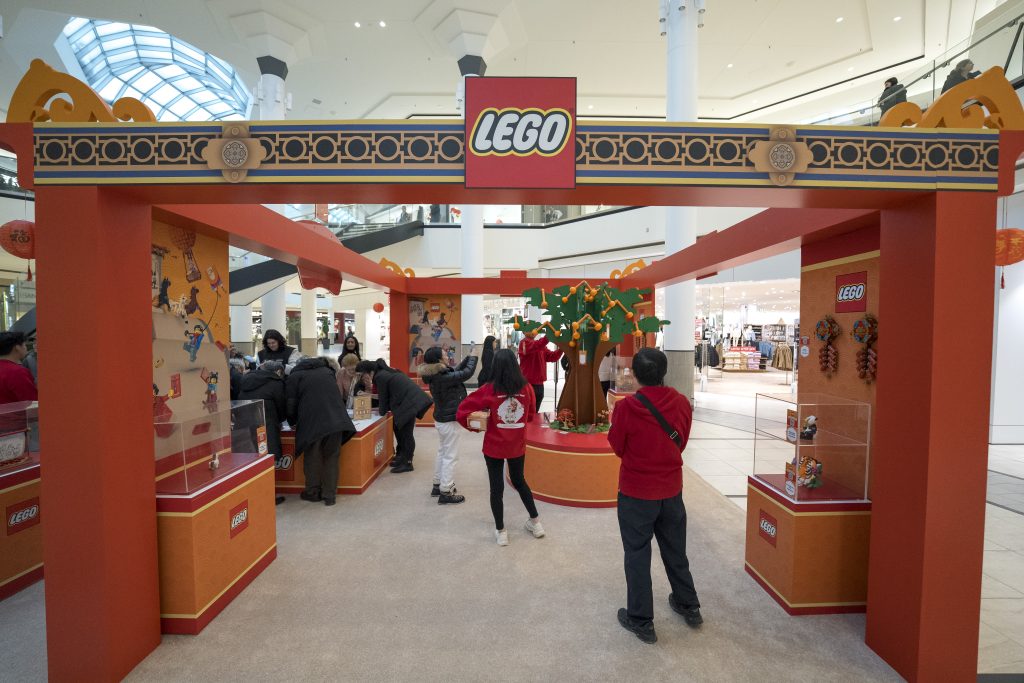
Holiday Experiential Retail: Curated Moments That Convert
November 11, 2026
Most event briefs start with the same goal: get new eyes on the brand, fill the funnel, and capture leads.
Even though those goals matter, they only tell half the story.
The customers you already have are often your most valuable audience. They know your products, they trust your name, and with the right experience, they will happily champion your brand to everyone they know.
However, many brands still treat events as one-way acquisition tools. The activation ends, leads get passed to sales, and the relationship goes quiet until next year.
A smarter approach looks past the first sale. It uses experiential marketing to build belonging, deepen loyalty, and keep people coming back.
Here’s why community and retention deserve a bigger seat at your planning table.
Retention Delivers Stronger Returns Than Acquisition
Let’s start with the numbers; according to Harvard Business Review, acquiring a new customer can cost anywhere from five to 25 times more than keeping an existing one.
This changes how you should view your event budget. Every dollar spent pulling strangers into a booth is a dollar competing against more efficient spending.
Your current customers are already primed to buy again, and they need far less convincing.
That’s why a VIP preview night for top accounts, or a client appreciation evening, can quietly outperform a broad awareness push. The audience is smaller, but the return per guest is often much higher.
In short, retention isn’t the consolation prize of event marketing. In many cases, it’s the main event.
In-Person Moments Build a Sense of Belonging Digital Can’t Match
While digital channels are great for reach, they rarely make anyone feel like they belong.
In-person events do. When people share a space, a moment, and a story, they bond with each other, and not just with the brand. That peer connection is the glue that holds a community together.
Kobie’s 2026 Heart of Loyalty Research found that consumers already active in brand communities are strongly motivated by access to events, peer support, and direct brand connection.
In other words, people want to show up, but they just need a reason.
Loyal Communities Become Your Most Credible Marketers
The thing about advertising is that audiences already know that you paid for it.
A recommendation from a fellow customer carries a different weight, and it feels honest because it is.
That’s why engaged communities are such powerful growth engines. Members share photos, post reviews, bring colleagues to the next event, and defend the brand in conversations you’ll never see.
However, this only happens when the community feels like it’s built for its members. Remember that the strongest brand communities serve the needs of the people in them and not just the goals of the brand.
Events are where that feeling is earned. The right brand ambassadors remember names, spark conversations, and make guests feel recognized. That human touch is what turns a satisfied customer into a vocal advocate.
Ongoing Events Turn Customer Insight Into a Competitive Edge
Acquisition events tend to focus on talking. Community events create room for listening.
When the same customers return to your activations, you gain trust and a recurring audience that will tell you what’s working, what isn’t, and what they’d like to see next.
That feedback is gold. It can shape product launches, refine messaging, and flag churn risks before they show up in your sales reports.
Customers want this role, too. Research shows that the ability to influence product development is one of the factors motivating active community members.
Pairing community events with structured field market research makes those insights measurable.
Instead of guessing what your best customers want, you hear it directly, in person, from the people who matter most to your bottom line.
Over time, that insight becomes a competitive advantage your rivals can’t easily copy.
A Loyal Base Protects Your Brand When Budgets and Markets Shift
The truth is that acquisition is getting harder, ad costs keep climbing, privacy changes limit targeting, and buyers are more cautious with their spending.
When the market tightens, brands that rely only on new customers feel it first.
A loyal community acts as a buffer. These customers keep buying, keep engaging, and keep talking about you, even when new leads slow down. They give your revenue a steadier base to stand on.
This is why retention-focused events work best as an ongoing calendar instead of a single splashy moment.
Note that building that kind of calendar takes long-range planning, which is where experienced event planners earn their keep.
Keep in mind that consistency is what turns a good event into a lasting relationship.
FAQs About Community and Retention-Focused Events
1. Why should events focus on retention instead of acquisition?
Retaining customers costs less than winning new ones, and even small gains in retention can significantly lift profits.
2. What types of events work best for customer retention?
VIP previews, client appreciation nights, member meetups, and customer advisory sessions all help deepen existing relationships.
3. How do events help build brand community?
They bring customers together in a shared space, letting them bond with each other as well as with the brand.
4. How can I measure the success of a community event?
Track repeat attendance, renewal, and repurchase rates, referrals, user-generated content, and post-event feedback.
5. Should B2B brands invest in community events?
Yes. B2B relationships are long-term by nature, and in-person community events help strengthen trust and keep key accounts engaged.
Bottom Line
New customers will always matter. But growth that lasts is rarely built on first impressions alone.
The brands that win over the long run are the ones that make people feel seen after the sale. They give customers a reason to return, a place to connect, and a voice in what comes next.
Events, done with intention, are one of the most effective ways to make that happen.
At Tigris Events (powered by Simon Pure), we help brands turn one-time guests into lifelong communities, from strategy and staffing to execution and follow-up.
Contact us to plan an experience your customers will want to come back to.