
The Human Advantage: Why Brand Ambassadors Matter More Than Ever

What an Experiential Marketing Agency Really Does (and Why It Matters)
February 6, 2026
What Is It Like to Work With an Experiential Marketing Agency?
February 18, 2026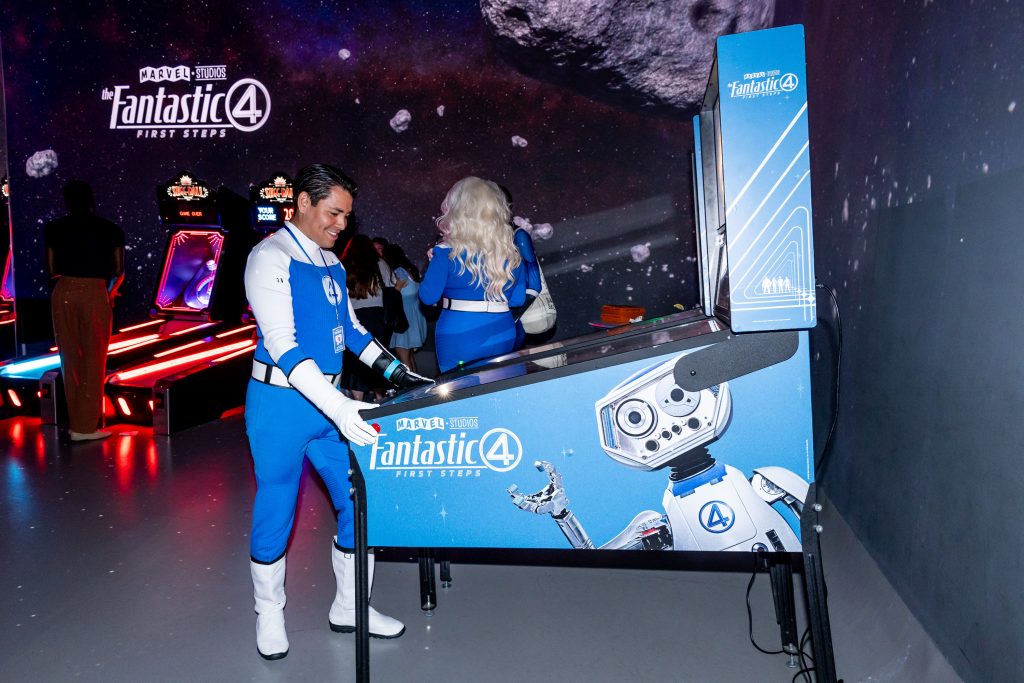
Even though the marketing landscape has significantly changed in recent years (always online, post-COVID, you name it), one thing still stands out: people still trust people more than platforms.
Audiences today are exposed to thousands of brand messages, yet very few of them actually land. What cuts through the noise is genuine human interaction.
This shift is especially visible in experiential marketing. Whether it’s a tradeshow, pop-up, product launch, or touring activation, the brands that leave a lasting impression are the ones that feel approachable, knowledgeable, and human.
And more often than not, that experience is shaped by the brand ambassadors on the ground.
As attention spans shorten and buyer skepticism grows, the human element has become one of the most valuable assets a brand can bring into a physical space.
This brings us to the role of brand ambassadors in experiential marketing.
Learn more in this article.
Who Are Brand Ambassadors?
Brand ambassadors are trained professionals who represent a brand in live, in-person environments.
However, their role goes far beyond simply wearing branded apparel or delivering a scripted pitch.
On most occasions, brand ambassadors are said to be the face, voice, and personality of a brand.
They understand the product or service deeply, can speak confidently about its value, and know how to adapt conversations based on who they’re speaking with.
In B2B environments, brand ambassadors are often the first point of contact between a company and a potential client.
That makes their ability to communicate clearly, answer questions accurately, and read social cues essential.
Note that brand ambassadors are not there to hard-sell but to guide, inform, and create a positive first impression that reflects the brand’s professionalism and credibility.
Why Brand Ambassadors Matter More than Ever
Brand ambassadors are often the most influential element of a live brand experience.
While design, messaging, and location all play important roles, it’s the ambassador who shapes how the brand is perceived in the moment itself.
Their roles include:
Creating Meaningful First Impressions
Brand ambassadors are typically the first human interaction a visitor has with a brand at an event. That initial exchange sets the tone for everything that follows.
A confident, approachable ambassador helps visitors feel welcome, which is essential in environments where attendees are short on time and selective about where they engage.
The way ambassadors greet, listen, and respond influences whether a visitor stays for a conversation or walks away.
Translating Brand Messaging Into Real Conversations
Marketing messages are often crafted for scale, but live environments require details.
Brand ambassadors act as interpreters, turning high-level brand positioning into clear, relevant explanations tailored to the individual they’re speaking with.
Whether someone is a decision-maker, an industry peer, or a first-time learner, ambassadors adjust their language and focus to make the message resonate with them.
Building Trust Through Human Interaction
Trust is rarely built through signage alone. Face-to-face interaction allows visitors to ask questions, challenge claims, and explore details in real time.
Brand ambassadors who are well-trained and knowledgeable can address concerns confidently, which helps reduce skepticism and build credibility.
This kind of trust-building is valuable in B2B environments where purchasing decisions involve higher stakes and longer timelines.
Guiding the Experience
A strong brand ambassador knows how to guide a visitor through an experience without forcing a scripted path.
They read body language, listen for cues, and adapt accordingly. Some visitors want a quick overview, while others are looking for a deeper conversation.
The ambassador’s role is to meet people where they are, creating a natural flow that feels respectful and engaging naturally.
Supporting Lead Qualification and Intent Signals
The reality is that not every interaction carries the same level of intent.
Brand ambassadors help identify which conversations are exploratory, helping to identify genuine interest or buying potential.
By asking the right questions and listening carefully, they can flag high-value prospects for follow-up while still providing value to casual visitors.
This helps sales and marketing teams focus their post-event efforts more effectively.
Collecting On-the-Ground Insights
Apart from leads, brand ambassadors gather valuable qualitative feedback.
They hear recurring questions, common objections, and unexpected points of interest directly from attendees.
These insights often reveal gaps in messaging, product understanding, or audience expectations.
When shared with the broader team, this feedback can inform future campaigns, product development, or positioning strategies.
Maintaining Brand Consistency
For brands activating across multiple events or regions, consistency is critical.
Brand ambassadors help ensure that the tone, messaging, and overall experience remain aligned regardless of the location.
This consistency reinforces brand recognition and trust, particularly for national or international organizations running long-term experiential programs.
Adapting to Live, Unpredictable Environments
Events are dynamic by nature. Crowd flow changes, schedules shift, and audiences vary throughout the day.
Experienced brand ambassadors know how to adapt without losing focus on campaign goals.
They can adjust pacing, reframe messaging, and manage unexpected situations calmly, ensuring the experience remains professional and on-brand.
Extending the Brand Beyond the Event
The impact of a strong ambassador-led interaction doesn’t end when the event does.
Positive, memorable conversations are often what attendees recall days or weeks later when reviewing vendors, sharing feedback internally, or deciding who to contact.
As a result, brand ambassadors extend the life of the experience well beyond the show floor.
FAQs About Why Brand Ambassadors Matter More Than Ever
How are brand ambassadors different from temporary event staff?
Brand ambassadors are trained specifically on the brand, product, and campaign objectives.
Do brand ambassadors help with lead generation?
Yes. They often act as the first layer of qualification, identifying high-value conversations and capturing insights that support follow-up efforts.
Can brand ambassadors support multi-city or touring campaigns?
Exactly. With the right planning and training, ambassadors help maintain brand consistency across locations while adapting to local audiences.
Is experiential staffing measurable?
While experiential impact is not always captured through basic metrics, ambassador-led campaigns generate valuable qualitative and behavioural data that informs broader strategy.
Conclusion
As marketing continues to evolve, the brands that stand out will be the ones that balance technology with humanity.
Experiential marketing is not just about being seen but also about being remembered. And that memory is shaped by the people representing the brand in the moment.
Brand ambassadors bring clarity, credibility, and connection to live experiences. They turn interactions into conversations and booths into relationships.
Considering the current crowded and cautious marketplace, that human advantage is more powerful than ever.
At Tigris Events (powered by Simon Pure), we help brands deliver meaningful, well-executed experiential campaigns by pairing thoughtful strategy with professionally trained brand ambassadors who know how to engage, adapt, and represent your brand with confidence.