How to Turn Social Media Reach into Real-World Engagement With Influencer Events
How to Host an Influencer Event That Actually Delivers a Brand Boost
June 10, 2026
How to Choose Event Swag that Feels Useful and On-Brand
June 17, 2026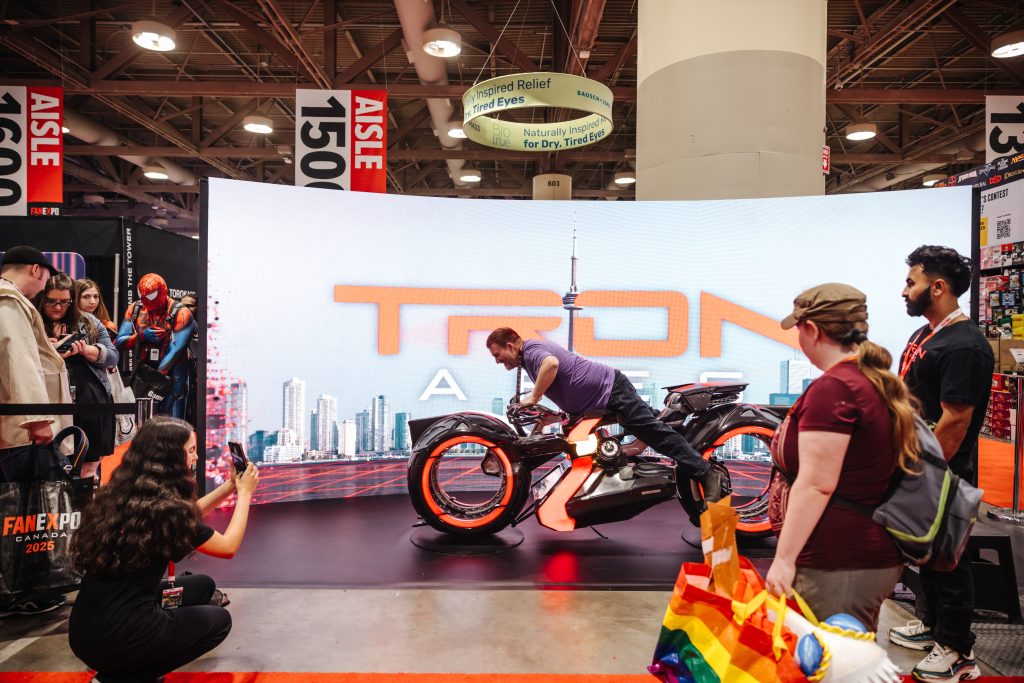
A million impressions on social media can look impressive in a campaign report. I mean, a whole million? That’s a lot of impressions!
However, while digital impressions are nice, for brands trying to build lasting relationships in the real world with consumers, digital attention alone rarely tells the full story.
The real value happens when online interest (aka these impressions) translates into in-person experiences people actually remember and continue to act on afterward.
That is one reason influencer events have become such a powerful part of experiential marketing strategies.
Instead of relying entirely on passive scrolling, brands are creating opportunities for audiences to interact with products, personalities, and experiences they already know from the digital space, only now in real life.
These events bridge the gap between digital visibility and physical engagement, helping brands build stronger emotional connections with their audiences.
After all, research shows that emotional connection plays a major role in long-term customer loyalty and brand value.
Thus, experiential campaigns paired with creator partnerships help brands create memorable touchpoints that static ads cannot replicate.
The challenge, of course, is making sure social media attention does not stop at the screen.
Let’s take a look at how to do it the right way!
Choose Influencers Who Align With the Experience
Focusing too much on follower counts is one of the major mistakes event planners make. While large audiences may create visibility, engagement quality is what drives real-world participation.
The most effective influencer partnerships happen when creators naturally align with the event experience itself.
Consumers can quickly tell when an influencer partnership feels forced. If the creator does not genuinely connect with the brand or experience, audiences are less likely to trust the campaign or feel motivated to participate.
Brands should also evaluate how influencers interact with their audiences beyond sponsored content.
Creators with highly engaged communities often drive stronger turnout and participation because followers view them as trusted personalities and not just advertising channels.
In many cases, smaller creators with loyal niche audiences can drive stronger event engagement than influencers with massive but less connected followings.
Design Events That Encourage Participation Instead of Passive Attendance
People do not attend influencer events simply to observe; they attend to experience something unique.
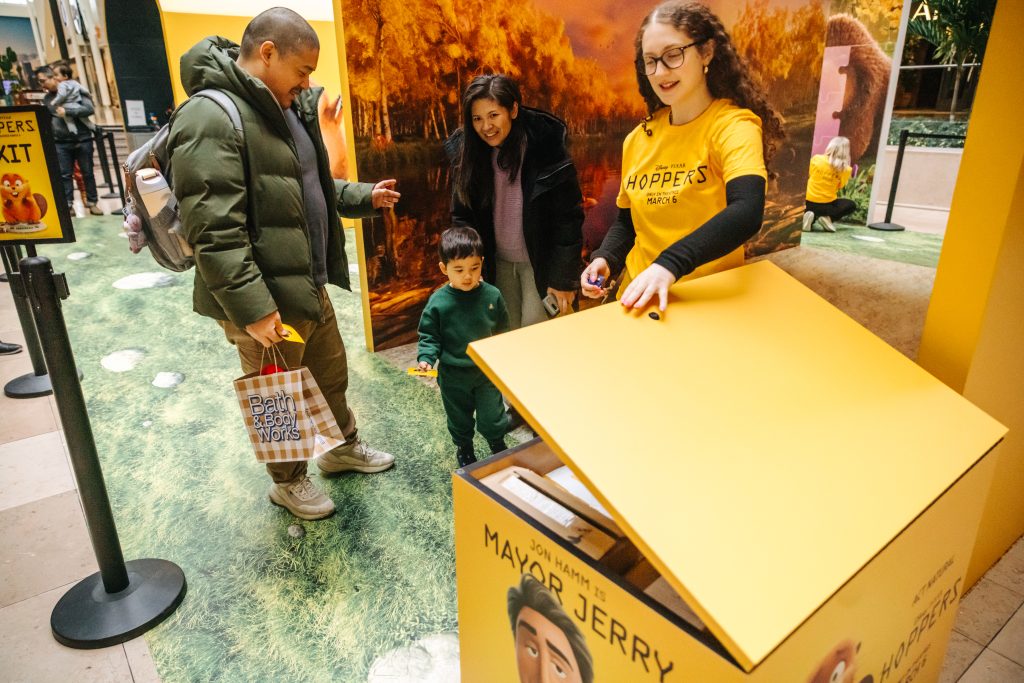
The most successful activations are designed around interaction. Instead of treating attendees like spectators, brands should create opportunities for them to actively engage with the environment, products, and content throughout the event.
This can include interactive product demos, immersive installations, branded challenges, behind-the-scenes experiences, limited-access activities, or collaborative social moments that encourage attendees to create and share their own content.
Modern audiences are naturally drawn to experiences that feel exclusive, visually engaging, and socially shareable. When attendees become participants, they are more likely to create organic content that extends the campaign’s reach beyond the event.
Build Pre-Event Momentum Across Multiple Channels
Strong influencer events begin long before attendees arrive at the venue.
Pre-event promotion plays a critical role in transforming online interest into physical attendance.
Influencers should not simply announce the event once and move on. Instead, campaigns should build anticipation over time through layered storytelling and consistent engagement.
Teaser content, countdowns, behind-the-scenes setup footage, interactive polls, giveaways, and creator collaborations can all help generate excitement leading up to the activation.
These tactics keep audiences engaged while reinforcing the sense that the event is something worth showing up for.
Brands should also avoid relying solely on influencer promotion. Supporting campaigns through email marketing, paid social ads, regional targeting, event landing pages, and PR outreach helps strengthen visibility and reach audiences beyond a creator’s immediate followers.
Clear communication is equally important. Attendees need simple access to registration details, schedules, locations, parking information, and event expectations.
Create Social Moments That Extend Beyond the Event Itself
A well-executed influencer event should continue generating engagement even after it ends.
That requires intentionally designing moments people want to share online in real time.
Visually compelling installations, branded photo opportunities, interactive digital experiences, and creator-led content segments all help attendees become part of the campaign narrative.
However, brands should avoid creating Instagrammable moments that feel empty or disconnected from the overall experience.
User-generated content can significantly extend campaign visibility because audiences tend to trust peer-created content more than traditional branded advertising.
Note that when attendees share authentic experiences from an event, they create social proof that strengthens brand credibility and expands organic reach.
Encouraging event hashtags, live-streamed segments, collaborative creator content, and post-event recaps can keep momentum going for days or even weeks after the activation ends.
Work With Experienced Event Teams That Can Execute at Scale
Even the best creative concepts can fail without proper execution.
Influencer events often involve moving parts that many brands underestimate. Talent coordination, venue logistics, staffing, crowd management, technical production, scheduling, transportation, compliance requirements, and live audience engagement all need to work together seamlessly.
For larger regional or national campaigns, operational consistency becomes important. A poorly managed event can damage both influencer relationships and brand reputation, especially when attendees share negative experiences publicly online.
Experienced event teams help brands manage these complexities while ensuring the experience feels polished and professional from start to finish.
They also understand how to adapt quickly when unexpected challenges arise, whether that involves scheduling changes, crowd flow issues, weather disruptions, or technical complications.
FAQs About How to Turn Social Media Reach into Real-World Engagement With Influencer Events
Why are influencer events effective for brands?
They combine social media reach with real-world interaction, helping brands create stronger emotional connections and more memorable customer experiences.
Do influencer events work better than traditional advertising?
Yes, they often generate higher engagement because audiences can actively participate in the experience rather than simply viewing an advertisement.
How do brands measure success at influencer events?
Common metrics include attendance, social engagement, user-generated content, lead generation, media coverage, and overall audience interaction during and after the event.
Conclusion
Turning social media attention into meaningful customer engagement requires more than viral content or high follower counts.
Brands that successfully connect digital campaigns with live experiences create stronger emotional connections, deeper audience trust, and more memorable interactions that continue long after the event ends.
Influencer events give brands the opportunity to bring online communities into the real world through experiences that feel authentic, interactive, and shareable.
When backed by thoughtful planning, strategic partnerships, and professional execution, these activations can transform passive audiences into active brand advocates.
At Tigris Events (powered by Simon Pure), we help brands create experiential campaigns that turn attention into engagement and engagement into a long-lasting impact.