What Makes an Influencer Event Effective for Brand Awareness?

Outdoor Event Staffing Tips for Summer Activations
August 18, 2026
Trade Show Giveaway Ideas That Get Remembered
September 2, 2026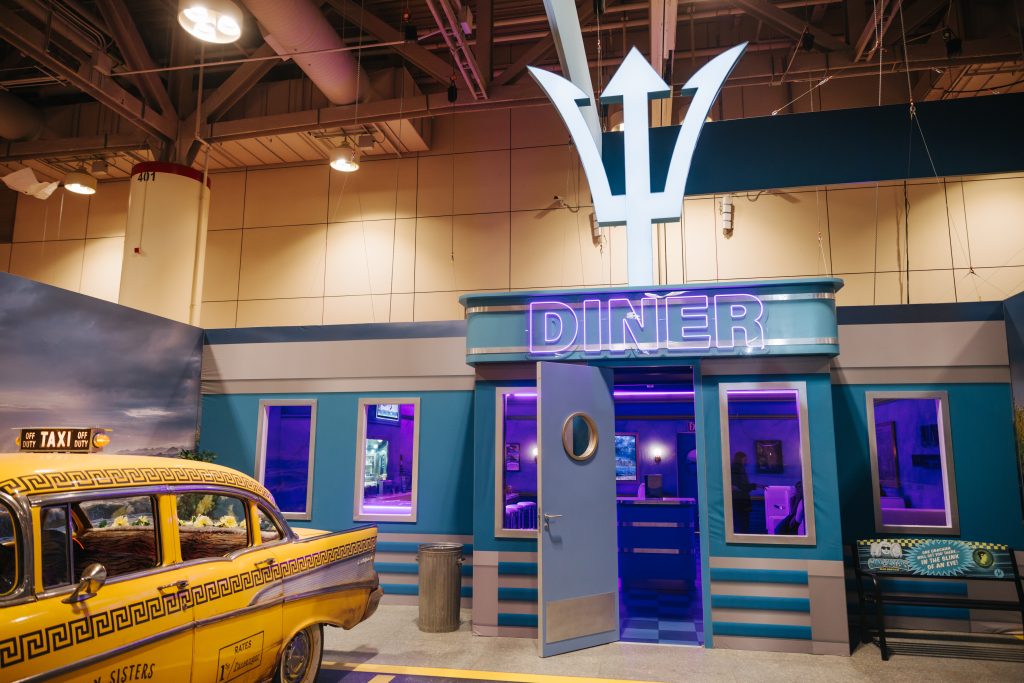
Influencer marketing has become boardroom vocabulary in the recent past. However, most conversations still center on a single post, a single feed, and a single moment.
What gets overlooked is the event behind that content, such as the room, the experience, and the reason an influencer had something worth posting in the first place.
An effective influencer event is not just a photo backdrop with free snacks, as most people always assume.
This is a designed environment built to produce authentic reactions that travel far beyond the guest list.
For brand managers weighing experiential marketing against another round of paid digital ads, the influencer event sits at an interesting intersection, as it spans event planning, content strategy, and brand storytelling.
When it’s done right, it converts a handful of trusted voices into a wave of earned reach.
Here’s what makes an influencer event effective for brand awareness.
A Clear, Ownable Brand Moment
Every influencer event needs a single idea to build around it. The strongest activations give attendees one unmistakable moment they associate with the brand.
It can be a signature installation, an unexpected reveal, a sensory hook that’s hard to describe without mentioning who made it happen.
This is important because influencers are, by trade, curators of moments. Therefore, if your event doesn’t hand them one, they’ll manufacture their own and it may have nothing to do with your brand message.
Custom displays and installations exist precisely to solve this problem, giving guests a physical, photograph-worthy anchor that does the storytelling for you.
A well-designed booth or space, similar to the strategic thinking behind a strong tradeshow build, gives every piece of content produced on-site a consistent visual identity.
The Right Influencer-to-Audience Fit
Follower count is the least useful metric in the room when choosing an influencer.
What most people forget is that relevance is what drives brand awareness regardless of whether the influencer’s audience overlaps with the people you’re trying to reach.
A beauty micro-influencer with 20,000 highly engaged, niche followers can outperform a lifestyle macro-influencer with ten times the following if the latter’s audience has no real connection to your category.
Smart brands build invite lists by audience demographics, engagement rate, content style, and past brand affinity, and not just reach.
This is also where working with experienced event planners pays off. They’ve built relationships across creator tiers and know which names will actually generate qualified impressions versus vanity numbers.
According to Harvard Business Review experiences that feel personally relevant to attendees drive significantly higher recall and advocacy than broad-reach efforts.
Built-In Content Opportunities
If influencers have to hunt for something worth filming, the event has already failed.
Effective activations are engineered with content creation as a core design requirement, and not an afterthought squeezed in after the run-of-show is finalized.
That means you need to have dedicated lighting for content stations, moments of surprise timed for maximum shareability, and staff briefed specifically on helping creators get the shot.
This is where the line between a good party and a good marketing investment gets drawn.
Gamified touchpoints, interactive product demos, and social content stations translate directly to influencer activations, giving creators a reason to post multiple times even after the event ends.
Trained, Brand-Fluent Staff on the Ground
Influencers notice when a brand’s own team doesn’t seem to know or believe in the product.
A knowledgeable, warm, well-briefed staff presence does more for authentic content than almost any physical design element.
This helps in shaping the tone of every one-on-one interaction an influencer has which often ends up quoted or referenced in captions.
Note that Brand ambassadors and trained event staff are not just there to manage flow, but serve as the human face of the brand story an influencer will eventually tell their audience.
As a result, a rehearsed, confident team gives creators talking points, anecdotes, and genuine enthusiasm to draw from .
A Follow-Up Plan That Extends the Moment
The event itself is only the spark. What determines whether that spark becomes sustained brand awareness is what happens after the last guest leaves.
Effective programs track which content should be published, measure engagement against benchmarks, and follow up with creators for usage rights, reposting, or paid amplification of the strongest organic pieces.
Too many brands treat the event as the finish line. In reality, research on post-event follow-up consistently shows that engagement drops off sharply without a structured next step.
A short thank-you, a content recap, or an invitation to a future activation keeps the relationship alive past the event date.
Pairing this with a broader experiential marketing strategy ensures the influencer moment is not a one-off thing but a building block in a longer brand narrative.
FAQs About Influencer Events and Brand Awareness
How many influencers should we invite to a brand awareness event?
Quality over quantity is the rule of the game. A tightly curated list of 15 to 30 relevant creators typically outperforms a crowded room of 100 mismatched ones.
What’s the difference between an influencer event and a product launch?
A product launch centers on an announcement while an influencer event centers on an experience designed specifically to generate authentic, shareable content around that announcement.
Should we brief influencers on what to post?
You can do light guidance on key messages and hashtags, but remember overly scripted scenes reduces authenticity.
How do we measure the success of an influencer event?
Track impressions, engagement rate, content volume, and referral traffic or leads generated in the days following the event.
Can influencer events work for B2B brands, not just consumer brands?
Yes, industry analysts, LinkedIn creators, and niche trade personalities function similarly to consumer influencers when the audience fit and content opportunities are right.
Bottom Line
Influencer events work when every piece is built with intention from the brand moment, the guest list, the content design, to the staff on the ground, and the follow-up plan is well curated.
Too many brands still treat these activations as a single afternoon of photos instead of a strategic extension of their broader marketing goals.
But when an event is designed around genuine relevance and real opportunities for creators to react authentically, the resulting content does more for brand perception than months of paid placements ever could.
At Tigris Events (powered by Simon Pure), we help brands design activations that give influencers something worth talking about, backed by the planning, staffing, and creative expertise needed to make every detail land exactly as intended.