When Summer Shows Up: Pop-Up Ideas That Actually Pull Crowds

How to Create Event Experiences That Are Also Highly Educational
April 30, 2026
Ideas and Inspiration for Micro Events By Industry
May 13, 2026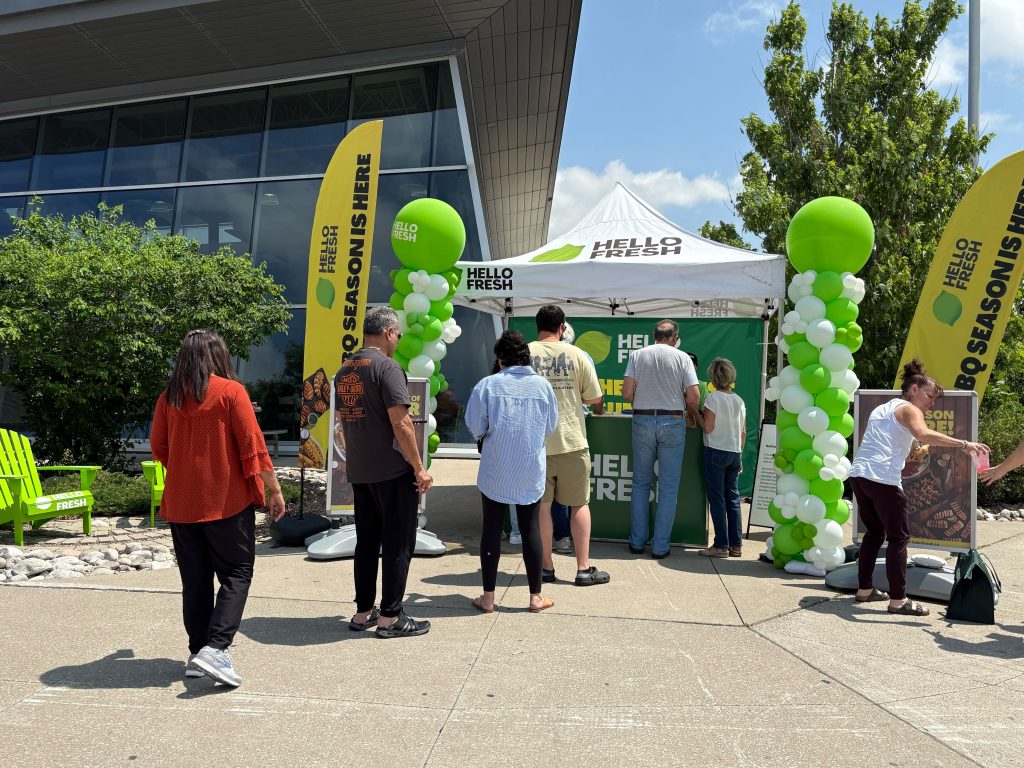
There’s a certain window in the year when people are generally more open to stopping, exploring, and saying yes to something unexpected.
If you guessed, “summer” – you’re right!
Summer creates that window of opportunity. During this period, streets are busy, patios come alive after hours, and public spaces turn into natural gathering points.
For any brands planning to do an activation this period, you don’t have to force anyone to pay attention. You just have to show up in a way that feels worth people’s time.
This is also one of the secrets why pop-ups work so well this season. When activations are done right, they feel like part of the experience people were already out looking for.
Here are some of the pop-up ideas you can implement for your brand this summer.
Creative Summer Pop-Up Ideas
Street Festival Takeovers
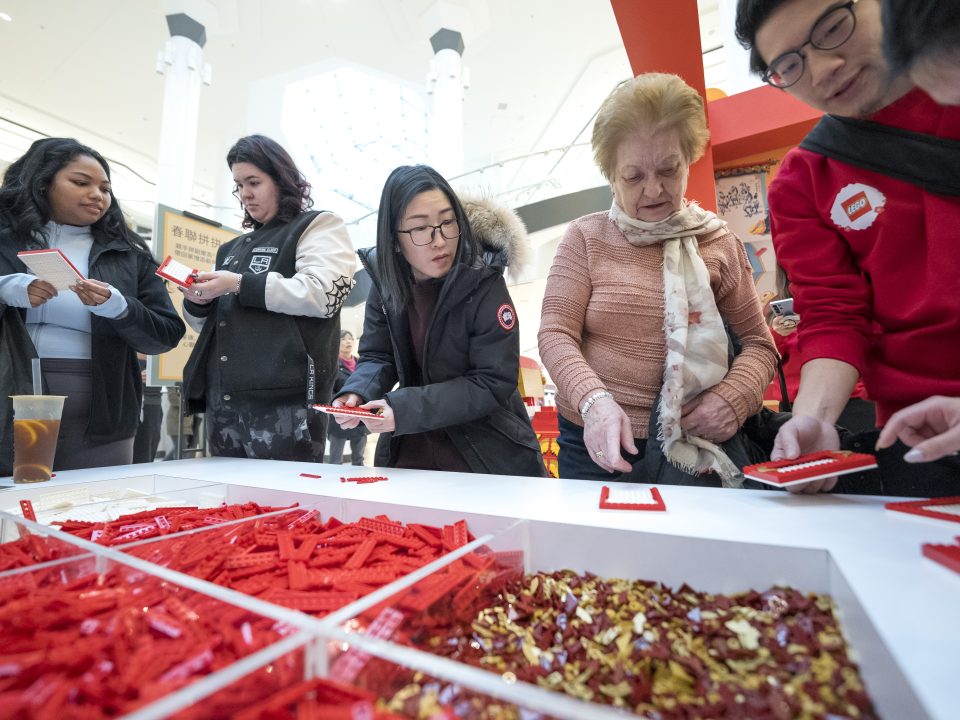
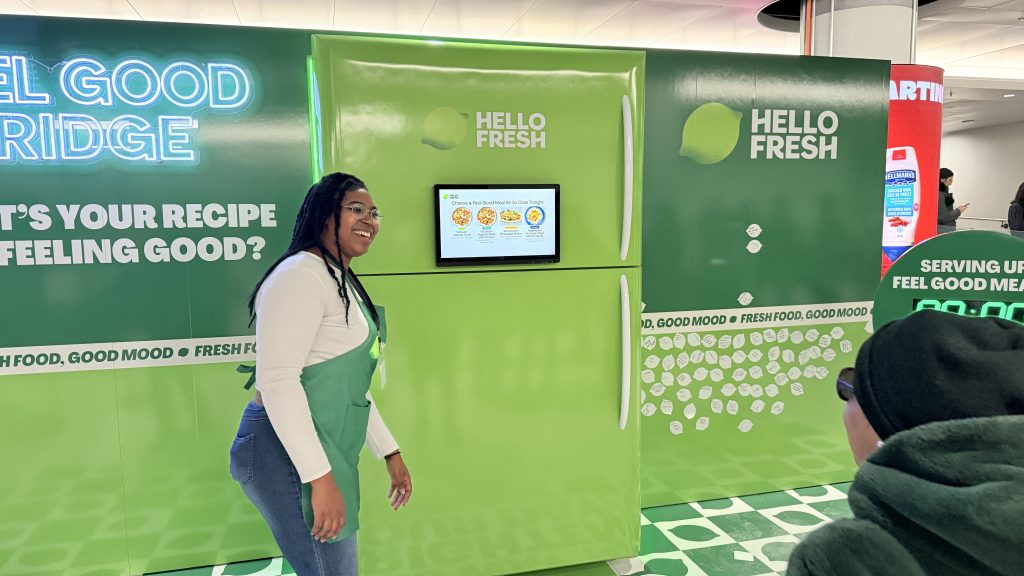
Street festivals already come with built-in energy, foot traffic, and community attention. But simply showing up with a branded tent is not enough anymore.
The brands that stand out are the ones that integrate into the culture of the event naturally. This can be achieved through interactive installations that tie into the festival’s theme.
For instance, a food brand could create a live tasting lab where visitors customize flavors. A tech company might build a hands-on demo station disguised as part of the street art experience.
The primary objective is to feel like a natural extension of the festival to enable people to explore, even if they didn’t know your brand beforehand.
Rooftop Product Launches
Not every activation needs to be loud. In fact, some of the most effective summer pop-ups lean into exclusivity.
Rooftop launches tap into that hidden gem feeling. This is meant to create an impression that you’re part of something not everyone has access to.
It can be a new product reveal, a curated brand experience, or a media-first event since rooftops offer a controlled environment where every detail can be dialed in.
The objective here is to make your brand stand out. This involves lighting transitions from sunset to evening, curated music, intentional guest flow, and well-timed brand moments that play a role in shaping the experience.
Beach and Waterfront Installations
Waterfronts naturally attract crowds during summer due to the weather conditions. However, the most successful activations focus on becoming part of the experience.
Instead of static booths, you can go for immersive setups that encourage physical interaction.
This could be a branded lounge with shaded seating and charging stations, a product trial zone tied to the environment, or even gamified installations that get people moving.
The biggest advantage here is dwell time. People are not rushing through a beach or waterfront space the way they might at a tradeshow. They’re relaxed, open, and more willing to engage, provided the experience feels worth their time.
That said, these environments come with logistical challenges. Weather, setup constraints, and permitting all need to be accounted for early.
This is where experienced execution teams make a real difference, ensuring the activation runs smoothly without compromising the creative vision.
Mobile Pop-Ups
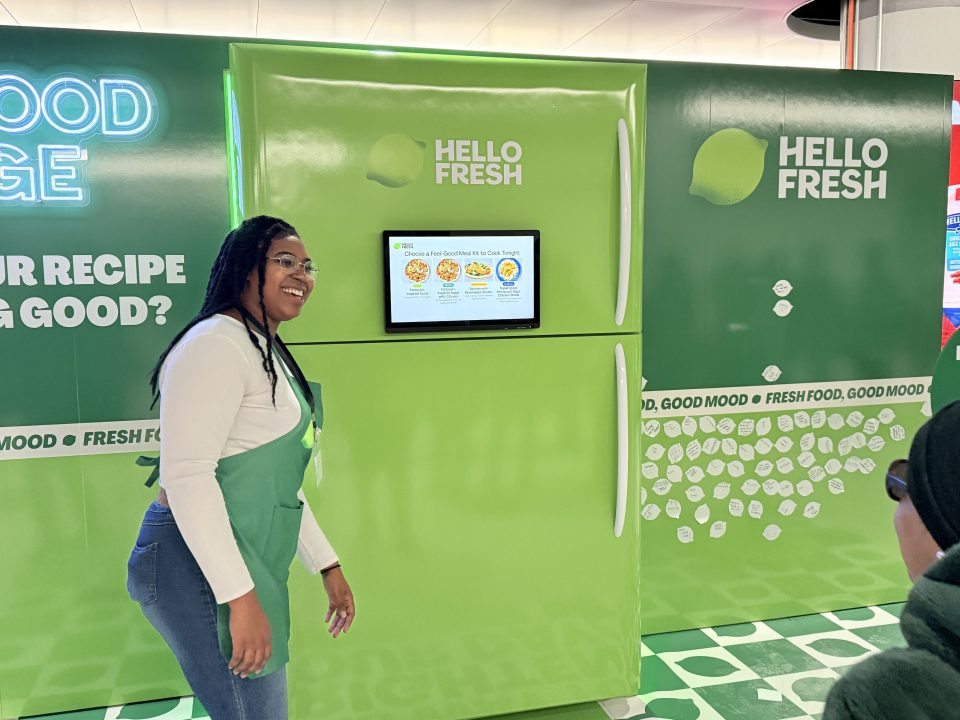
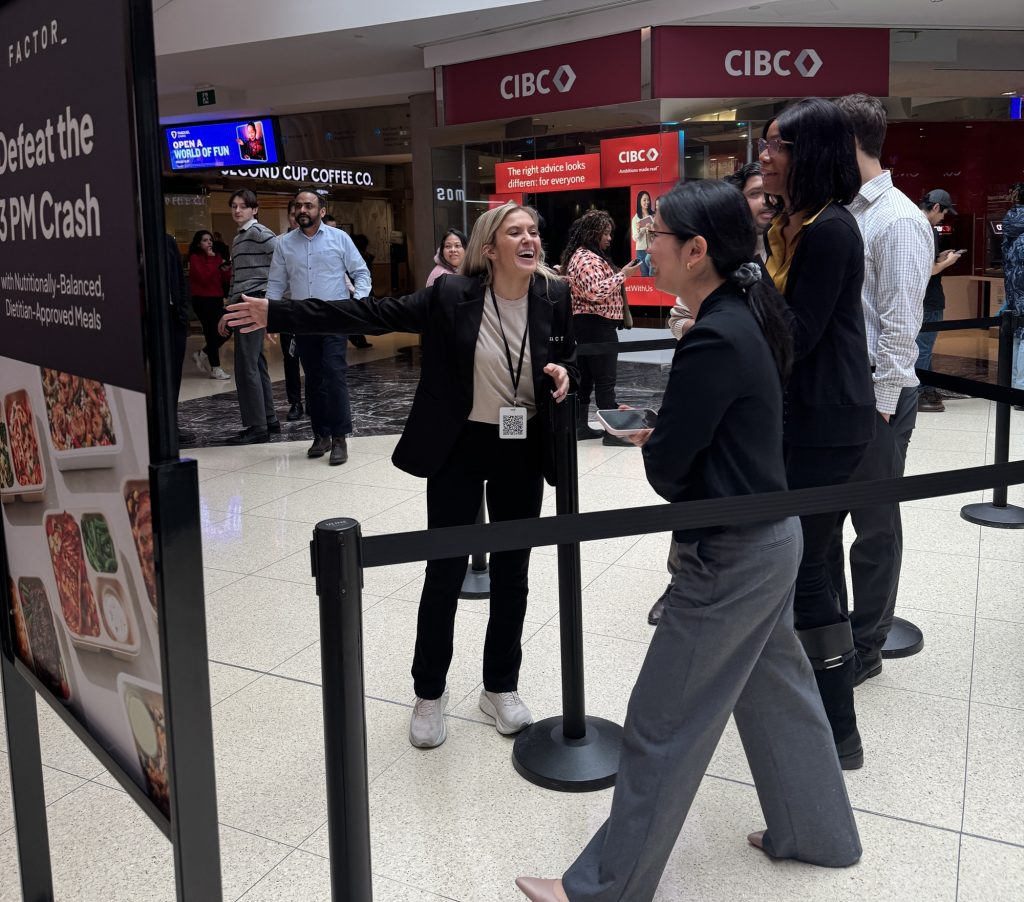
Mobile pop-ups, whether built into vans, trailers, or modular setups, allow brands to activate across multiple high-traffic areas throughout the summer.
This involves lunch-hour stops in business districts, evening activations in entertainment zones, and weekend appearances at local events.
This approach works well for brands looking to maximize reach without committing to a single location. It also creates a sense of surprise.
When people stumble upon a well-designed mobile experience, it feels spontaneous, thus leading to stronger engagement and organic sharing.
Execution is everything here. The setup needs to be quick, the branding consistent, and the staff adaptable.
When done poorly, it feels disorganized, but if you do it well, it becomes a moving extension of your brand that meets people exactly where they are.
Night Market Experiences
Summer nights bring a different kind of energy, and that’s perfect for immersive, multi-sensory pop-ups.
Night market-style activations combine elements of retail, food, entertainment, and culture into a single experience.
Instead of a single touchpoint, visitors move through a curated environment with multiple brand interactions along the way.
For brands, this opens up opportunities to tell a broader story. Rather than showcasing a product, you end up creating a world around it.
This could involve collaborations with local vendors, live performances, or interactive installations that evolve throughout the evening.
While the complexity is higher, the payoff is also decent. These experiences tend to generate longer dwell times, stronger emotional connections, and more shareable moments, contributing to deeper brand recall.
FAQs
What makes a summer pop-up successful?
It all comes down to relevance and execution. The concept needs to fit the environment, and the experience needs to be seamless. If either one is off, engagement drops quickly.
Are summer pop-ups better than traditional advertising?
They all serve different purposes. While traditional advertising builds awareness, experiential pop-ups create direct engagement and memorable interactions that are harder to achieve through passive channels.
How do you measure the success of a pop-up?
You can measure foot traffic, engagement rates, lead capture, social sharing, and overall brand lift. Remember that you need to define clear objectives before the event to get your metrics right.
Conclusion
Summer gives brands a rare opportunity to step outside the usual marketing playbook and connect with people in a more relatable way.
It can be through anything like a buzz of a street festival, the intimacy of a rooftop launch, or the energy of a night market.
But keep in mind that creativity alone is not enough. The ideas that resonate are the ones backed by thoughtful planning, experienced execution, and a clear understanding of how people move and interact in each space.
At Tigris Events (powered by Simon Pure), we help brands bring these ideas to life in ways that feel natural, engaging, and built to deliver the results you’re looking for.