What Is It Like to Work With an Experiential Marketing Agency?

The Human Advantage: Why Brand Ambassadors Matter More Than Ever
February 11, 2026
Choosing the Right Experiential Marketing Agency for Your Brand
February 26, 2026
If you’ve ever managed a brand campaign that looked great on a slide deck but felt flat in real life, you already understand why experiential marketing agencies exist.
The current marketing of the world at large all but demands connection with real people, real moments, and real memories tied to your brand.
Working with an experiential marketing agency is very different from working with a traditional ad agency or a digital partner.
The process is more hands-on, more collaborative, and far more operational. It’s also where many marketing teams realize how complex simple in-person experiences really are.
So what actually happens once you bring an experiential agency into the mix?
Here’s what it’s really like, from kickoff to show floor.
The Process Starts Earlier Than Most Marketing Campaigns
One of the first things brand teams notice is timing. And in particular, successful experiential marketing rarely runs on last-minute deadlines.
You see, most successful brand activations are planned months in advance. This is because real-world execution requires coordination across venues, vendors, logistics partners, staffing teams, and sometimes multiple cities or countries.
Early conversations usually focus on:
- What success look like beyond foot traffic
- How the activation support a larger campaign or launch
- What constraints already exist in terms of space, budget, timing, and regulations
Unlike digital campaigns, where optimizations happen after launch, experiential marketing rewards upfront clarity. The more aligned everyone is early on, the smoother things run later.
Strategy Comes Before Ideas
There’s a common misconception that experiential agencies start with flashy concepts.
In reality, the ideas come later after the strategy.
Before the creative part is even discussed, agencies dig into:
- Audience behaviour and mindset at the event or location
- Brand tone, positioning, and existing perceptions
- Competitive context (what other brands are doing in the same space)
- Practical realities like dwell time, traffic flow, and staffing ratios
This is where experience really shows. A good experiential agency knows the difference between an idea that sounds impressive and one that actually works on a busy show floor or crowded street.
A research report highlighted in the Harvard Business Review has noted that emotionally connected customers are more than twice as valuable as highly satisfied customers.
This is why in-person experiences that engage emotions tend to outperform purely informational campaigns. That insight directly shapes how experiential agencies approach concept development.
Constant Collaboration Is Necessary
Working with an experiential marketing agency is not a set it and forget it arrangement.
Brand teams are typically involved throughout the process in reviewing layouts, refining messaging, approving materials, and pressure-testing ideas against real-world scenarios.
Given that experiential campaigns live at the intersection of brand, logistics, and human interaction, that means that the decisions are about:
- How staff speak to consumers
- What happens when lines build up
- How the product is handled, sampled, or demonstrated
All these need input from the business side and the agency side.
Easy To Spot Operational Complexities
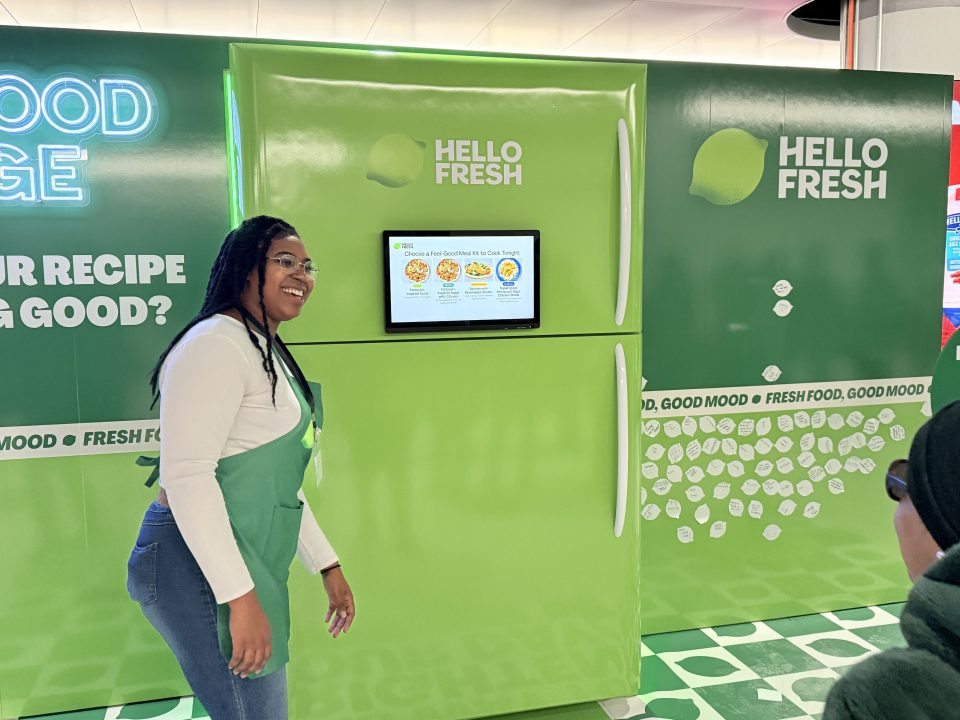
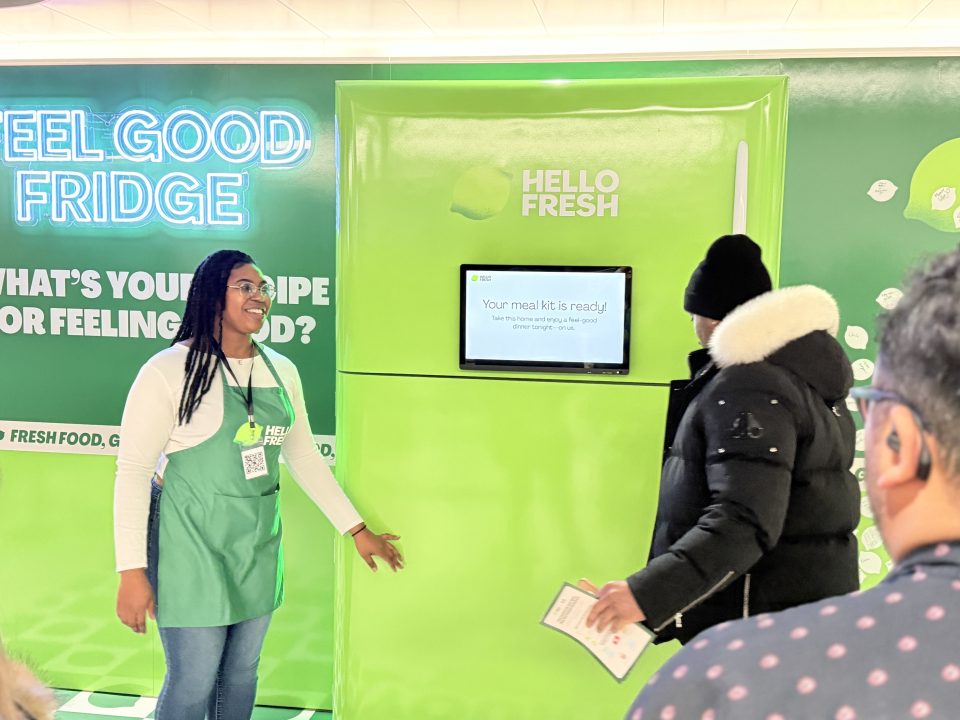
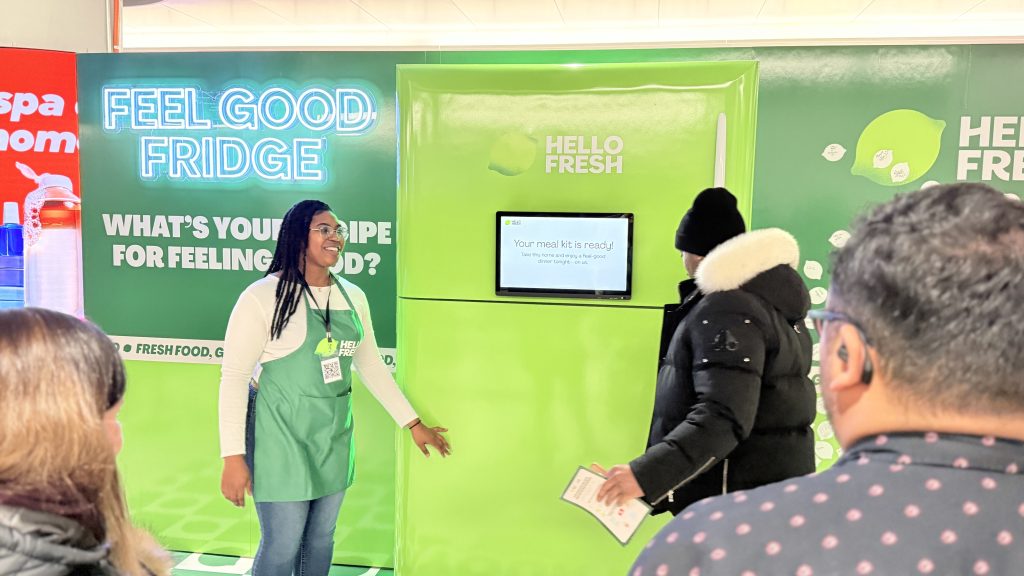
This is often the biggest eye-opener. From the outside, an activation might look simple with just a booth and a pop-up to deliver a branded moment.
Behind the scenes, there’s an enormous amount of coordination happening.
Experiential agencies manage things like:
- Permits, insurance, and venue regulations
- Shipping and storage of assets
- Installation and teardown schedules
- Staffing, training, and on-site supervision
- Contingency plans for weather, delays, or crowd surges
This is one of the reasons why experienced agencies are so valuable. They’ve already seen what goes wrong and have systems in place to prevent it.
Many brand teams only realize this after attempting a DIY activation and discovering how many details were invisible at the planning stage.
Staffing is Always a Strategic Lever
Another major aspect is how staffing is treated.
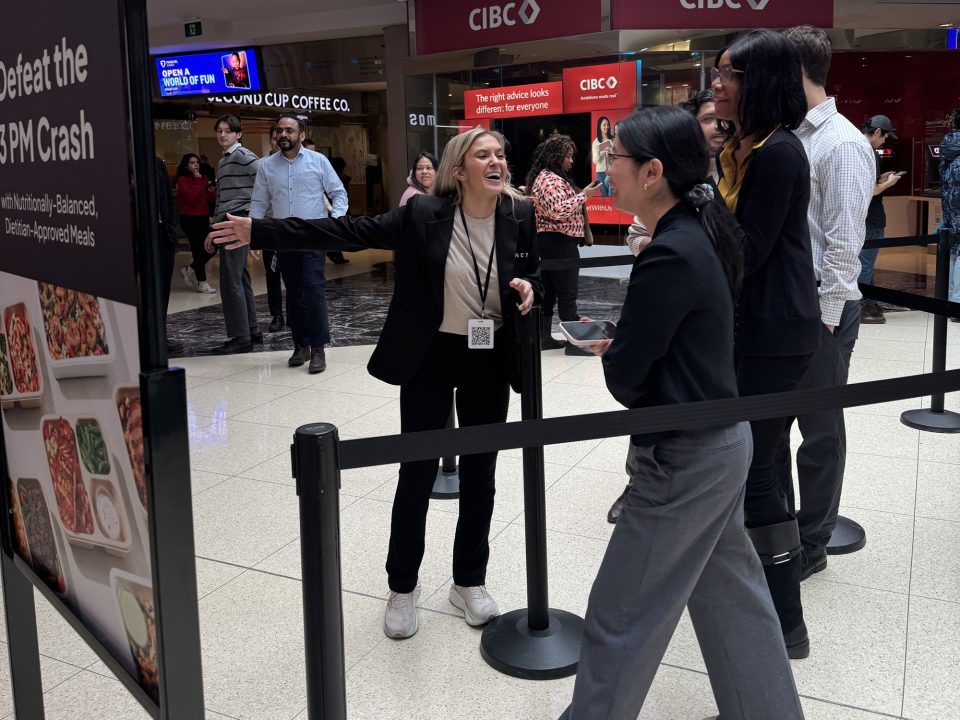
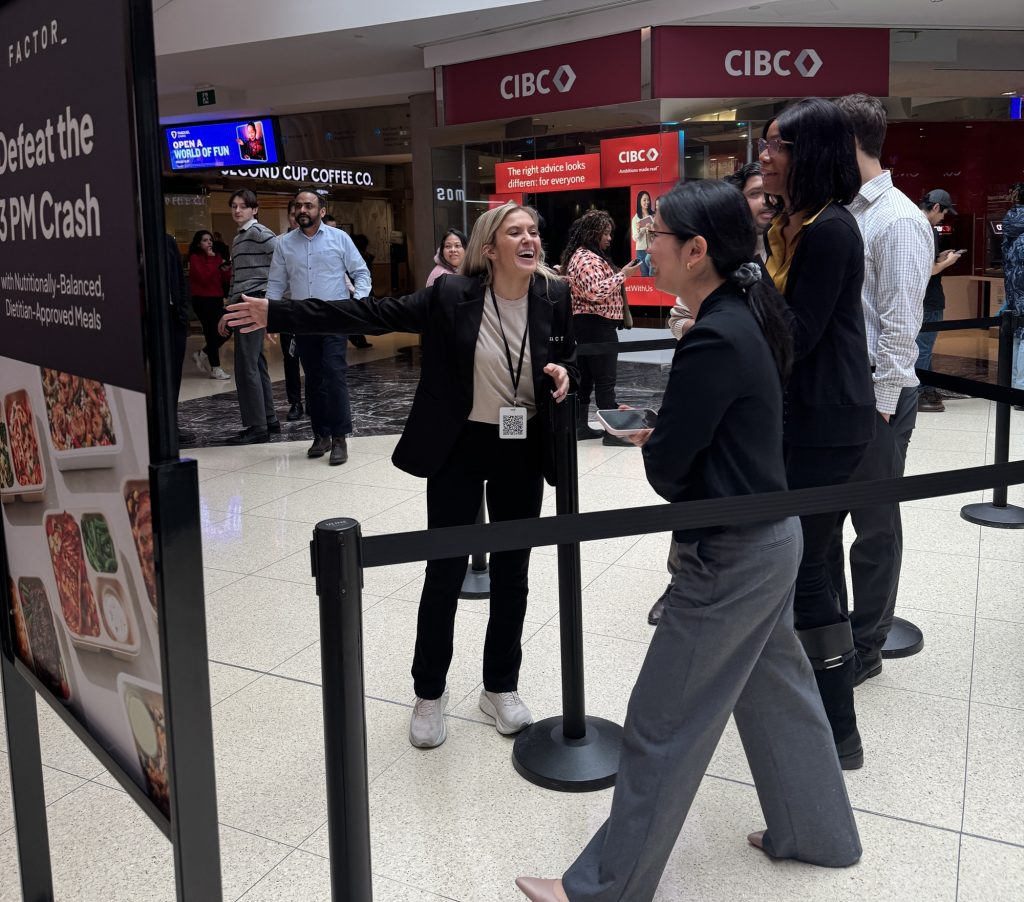
In experiential marketing, brand ambassadors and event staff are treated as the brand in that moment.
Agencies invest heavily in recruiting, training, and managing staff who can deliver consistent, on-brand interactions.
That includes:
- Product and messaging training
- Scenario-based role play
- Clear escalation paths for issues on-site
When done well, staffing elevates the entire experience. According to industry studies, live brand interactions significantly increase purchase intent and recall compared to passive advertising.
The people delivering those interactions matter just as much as the physical build.
Unique Measurement Insights
One concern marketing leaders often have is measurement.
Experiential doesn’t always fit neatly into traditional attribution models, but that doesn’t mean it is not measurable.
Agencies work with brands to define success metrics that make sense for the activation, such as:
- Engagement quality and dwell time
- Lead capture or follow-up actions
- Social amplification
- Post-event lift in brand awareness or intent
The focus is usually less on vanity metrics and more on meaningful signals that feed into broader marketing and sales efforts.
FAQs About Working With an Experiential Marketing Agency
Is experiential marketing only for large brands?
No. Activations can be scaled to fit different budgets and goals regardless of the brand size.
How is success measured in experiential marketing?
Through engagement quality, leads, and brand impact.
Can experiential marketing work alongside digital campaigns?
Yes. Experiential marketing is most effective when integrated with digital, social, and content strategies to extend reach before and after the live experience.
How involved does the internal marketing team need to be?
Brands are typically involved in strategy, approvals, and alignment, while the agency manages execution, logistics, staffing, and on-site operations.
Final Thoughts
Working with an experiential marketing agency requires more upfront involvement than traditional advertising, but the payoff is solid.
For brands looking to move beyond passive impressions and create moments that resonate in the real world, experiential marketing offers a strategic advantage.
At Tigris Events (powered by Simon Pure), we help brands translate big ideas into seamless, real-world experiences so your team can focus on the impact and not the logistics.
If you’re planning to do something different for your brand that can move the needle even further, an experienced experiential marketing agency can get the job done.