The Future of Modular Builds: Scalable Booth Designs for Touring Brands

Booth Design 2.0: Innovative Booth Build Ideas That Will Get Noticed in 2026
January 20, 2026
What an Experiential Marketing Agency Really Does (and Why It Matters)
February 6, 2026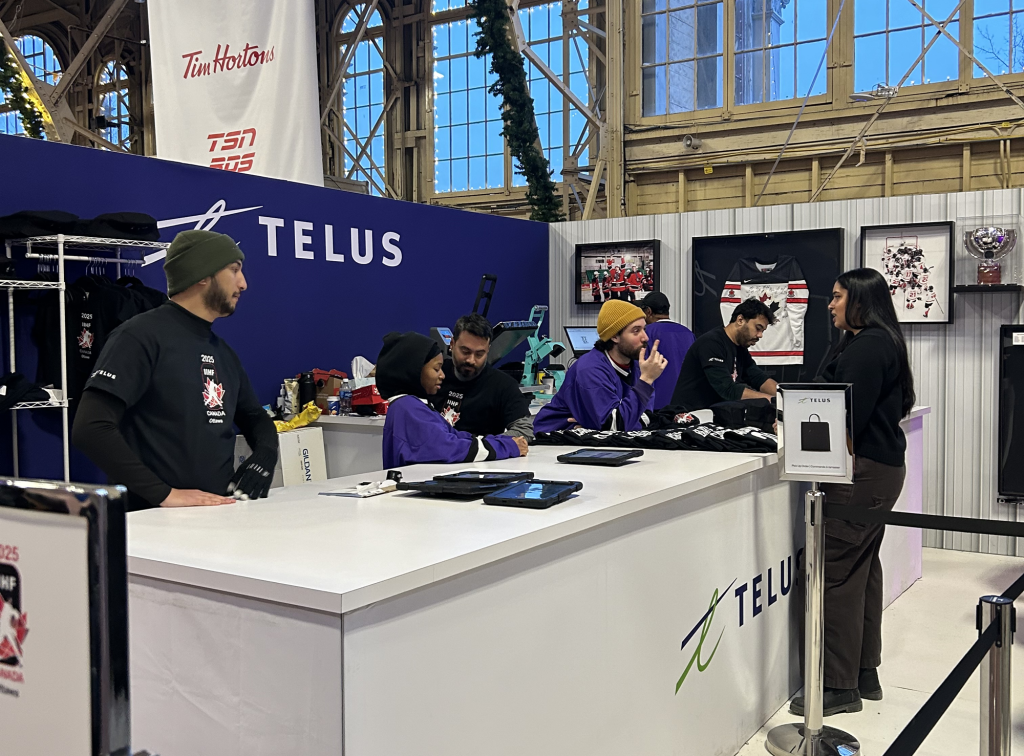
If you run a brand that shows up once a year at a flagship trade show, and then nothing else, a custom booth that simply lives in storage for eleven months a year probably works for you.
But for touring brands that run activations across multiple cities, regions, or even countries?
Yeah, that approach doesn’t work.
Moreover, if you’re busy with activations, you’ll likely have other worries too. For one, shipping costs are getting higher, especially for big booths, and venue rules vary from city to city.
To cap it all off, marketing teams are under more pressure than ever to justify spending, reuse assets, and prove ROI.
The solution?
If you run a touring brand and are not sure about scalable booth designs that you can implement, this article is for you.
What Modular Builds Means Today
There’s a reason why these builds are booming in the current market.
Ask around, and you’ll be told that modular used to be shorthand for boring, shallow, and uninventive, but that’s no longer the case.
Modern modular booth builds are engineered systems designed from the start to be rearranged without looking rearranged.
Today’s modular booths are built around:
- Interchangeable wall sections that can scale horizontally or vertically
- Lightweight but durable materials that ship efficiently
- Hidden connection points for lighting, screens, and tech
- Custom skins, graphics, and finishes that refresh the look every time
From an attendee’s perspective, the brand shows up consistently, but from an operations perspective, the brand shows up smarter.
Scalable Booth Designs for Touring Brands
It’s no secret that touring brands need booth systems that do more than just look good once.
They need designs that can adapt to different venues, footprints, and audiences without diluting brand impact.
Scalable booth design makes this possible by treating the booth as a flexible system rather than just a fixed structure.
Below are some of the most effective scalable booth design approaches for touring brands.
Core-and-extension Booth Systems
This booth design starts with a central core structure that carries the brand’s primary messaging, including its visual identity and key product or service highlights.
The core is designed to stand on its own for smaller events, while additional modules can be added for larger shows.
This creates some sort of consistency for touring brands and gives them the flexibility to run different types of activations.
The brand always looks intentional, whether it’s occupying a compact inline space or expanding into a larger footprint at a flagship event.
Modular Island-style Configurations
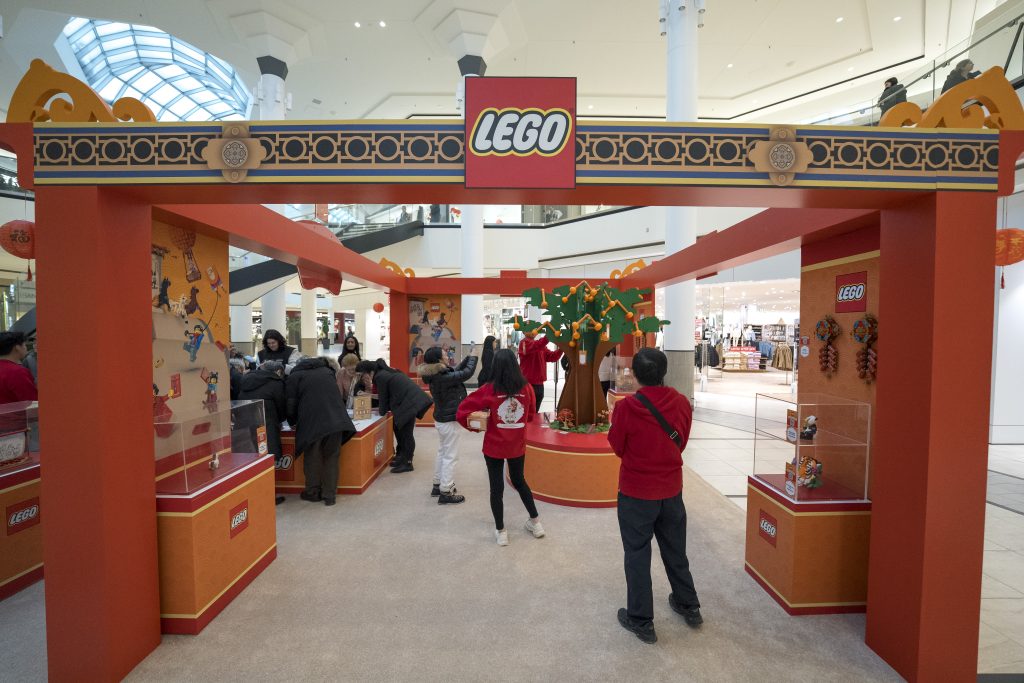
Instead of relying on a single enclosed structure, modular island designs use multiple standalone components that can be arranged in different layouts.
These might include branded kiosks, product plinths, digital towers, or interactive stations.
Each element is functional on its own, but together they create a cohesive experience.
This design is mostly effective for venues with open floor plans or varying booth placements, giving touring brands the freedom to adjust flow and engagement without redesigning their entire setup.
Linear Modular Booth Builds
Linear modular designs are built to perform consistently in inline booth spaces, which are common across trade shows and touring environments.
All components, such as panels, shelving, lighting, and signage, are engineered to scale horizontally or vertically, depending on the available space.
For brands attending multiple regional shows with different size restrictions, this approach ensures a clean, professional presence every time.
It’s a practical solution that still enhances strong storytelling and interaction when designed thoughtfully.
Experience-led Modular Environments
Some touring brands prioritize interaction over structure, thus building modular systems around specific experiential goals.
These booths are designed to support demos, workshops, consultations, or live presentations, with structural elements serving the experience.
Remember that scalability comes from adjusting the number and type of interaction points rather than the physical size of the booth.
This model works particularly well for B2B brands focused on lead quality, education, and relationship-building.
Hybrid Physical Digital Modular Designs
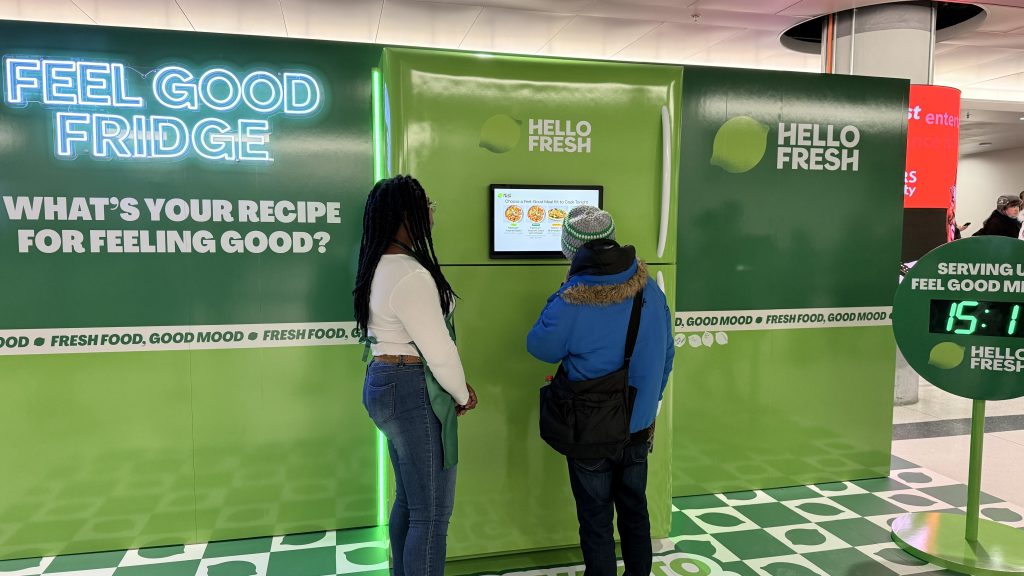
Hybrid systems combine reusable physical structures with adaptable digital components such as screens, lighting, and interactive displays.
While the booth framework remains consistent, digital content can change to reflect regional messaging, campaign themes, or audience needs.
For touring brands, this provides a high level of flexibility without increasing fabrication costs, since the booth stays familiar while the story evolves from city to city.
FAQs About Scalable Booth Designs for Touring Brands
Why are modular booths ideal for touring brands?
They allow brands to maintain consistency while easily adapting to multiple markets without rebuilding for every event.
Do modular booths look less custom than traditional builds?
No. Modern modular systems are designed to look fully custom while offering flexibility behind the scenes.
Can modular booth designs support different campaign messages?
Yes. Digital elements and interchangeable graphics make it easy to update messaging without changing the structure.
Are modular booth builds more cost-effective in the long term?
In most cases, yes. Reuse, faster installs, and reduced fabrication costs make them more efficient over time.
How many events can a modular booth system support?
A well-designed modular system can support dozens of events over several years with proper maintenance.
Final Thoughts
Modular booth design is quickly becoming the standard for how experiential programs are built, scaled, and sustained.
As brand activations increase across more cities and markets, the ability to adapt without starting over is what separates efficient experiential strategies from expensive one-offs.
Scalable modular systems give brands room to grow. They support consistency, creativity, and flexibility without sacrificing quality.
When paired with thoughtful planning, strong storytelling, and the right operational partners, modular builds allow experiential marketing to create meaningful, memorable moments for brands.
For brands investing in long-term experiential programs, the future revolves around building smarter.
Modular design makes that possible, offering a path forward that aligns with creativity, sustainability, and performance across every stop on the tour.
At Tigris Events (powered by Simon Pure), we help brands design and deliver modular experiential solutions that scale seamlessly across markets while staying true to the brand at every touchpoint.
If your brand is planning its next tour or rethinking how it shows up in person, the right modular strategy can make all the difference.