How to Effectively Use Gamification and Interactive Play at Your Next Event

What’s the Deal with Immersive and “Phygital” Tech (AR/VR) at Events?
April 13, 2026
How to Create Event Experiences That Are Also Highly Educational
April 30, 2026
If you’ve ever walked through a crowded event floor, you probably noticed that most people tend to gravitate toward energy.
Forget about the bright lights or loud music, that’s not what we’re talking about. What we mean by energy is how people are almost always at their most attentive during moments where something is happening, such as a challenge, a game, or a shared experience that invites them to participate.
That kind of energy.
Unsurprisingly, gamification and interactive play have become some of the most effective tools in experiential marketing because they trigger this kind of energy along with curiosity, competition, and reward.
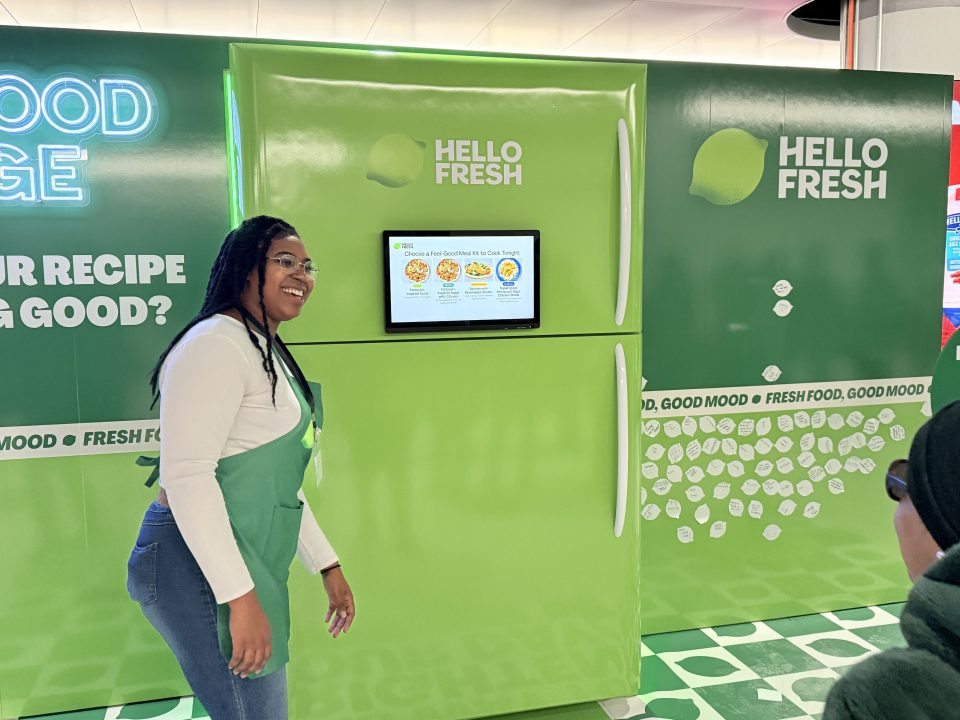
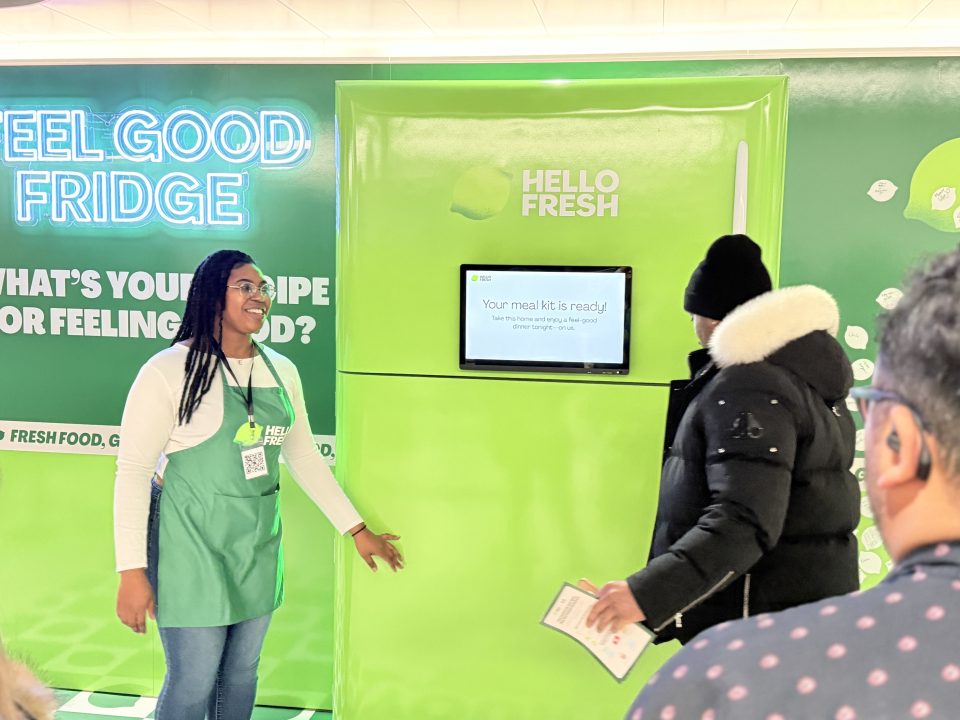
When done right, they not only entertain but create memorable brand moments that encourage deeper engagement and drive action.
However, this does not mean that you just add a game to your event for the sake of it. You need to design everything with purpose and ensure it aligns with your brand and the event’s primary objective.
Not sure how to do it? Discover more in this article.
What Is Gamification?
Gamification is the use of game-like elements such as points, challenges, rewards, and competition in non-game environments to encourage participation and engagement.
Instead of just presenting information, gamification invites attendees to do something with it. That could be answering questions, completing tasks, exploring a booth, or competing with others.
The goal is to make the experience more engaging while subtly guiding attendees toward a desired action.
When applied thoughtfully, it becomes a natural part of the experience, helping brands connect with their audience in a way that’s both enjoyable and entertaining.
How to Effectively Use Gamification and Interactive Play at Your Next Event
Define Your Primary Objective
When planning an event, it’s easy to find yourself caught up in flashy concepts that don’t add much value. Remember that without a defined objective, even the most exciting activation can fall flat.
Before you do anything else, start by clarifying what success looks like. Are you trying to generate qualified leads? Increase product awareness? Drive social shares? Educate attendees on a new offering?
Every element of your gamified experience should support that goal. For instance, if lead capture is the priority, the game should naturally require registration or participation details.
If education is the goal, build the gameplay around product knowledge or problem-solving scenarios tied to your brand. Every aspect should feel seamless because the game and the business objective are one and the same.
Make Participation Effortless and Inclusive
When designing the game, remember that even the best-designed experience won’t work if people don’t understand how to join within seconds.
Event environments are busy. Attendees are often moving quickly, juggling multiple booths, and making split-second decisions about where to stop. If your game requires too much explanation, you’ve already lost them.
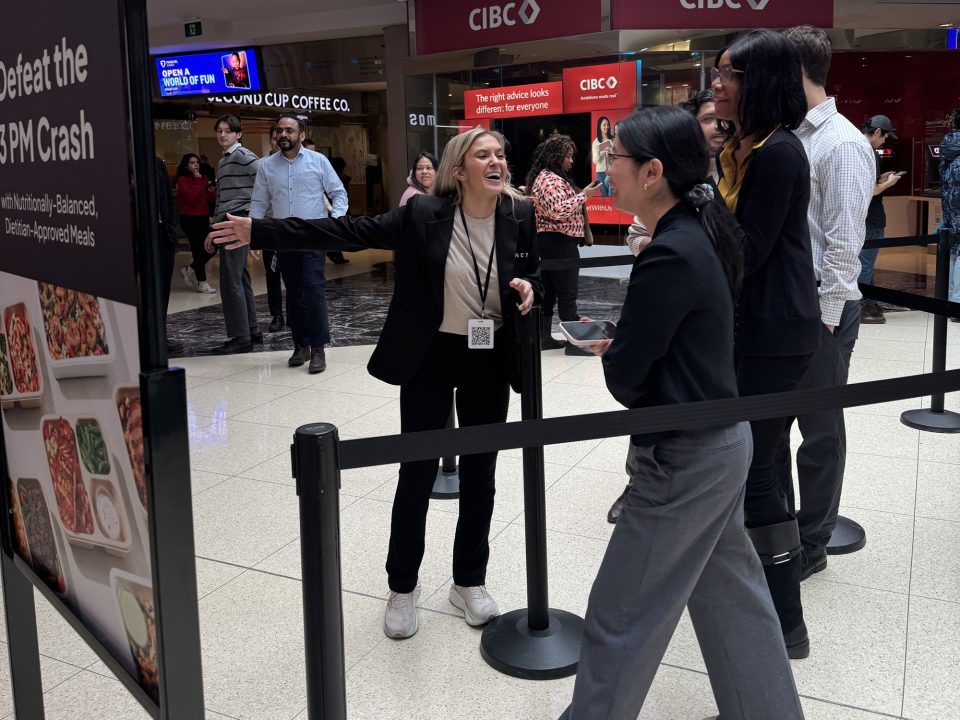
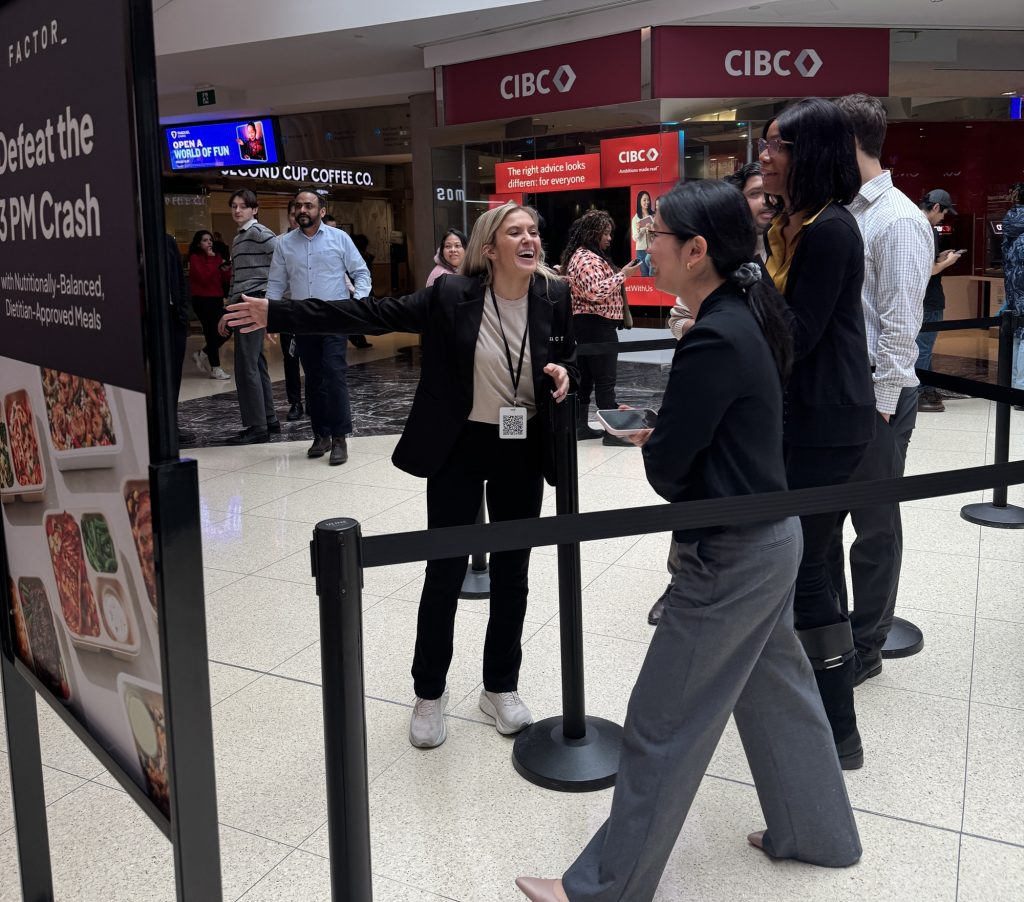
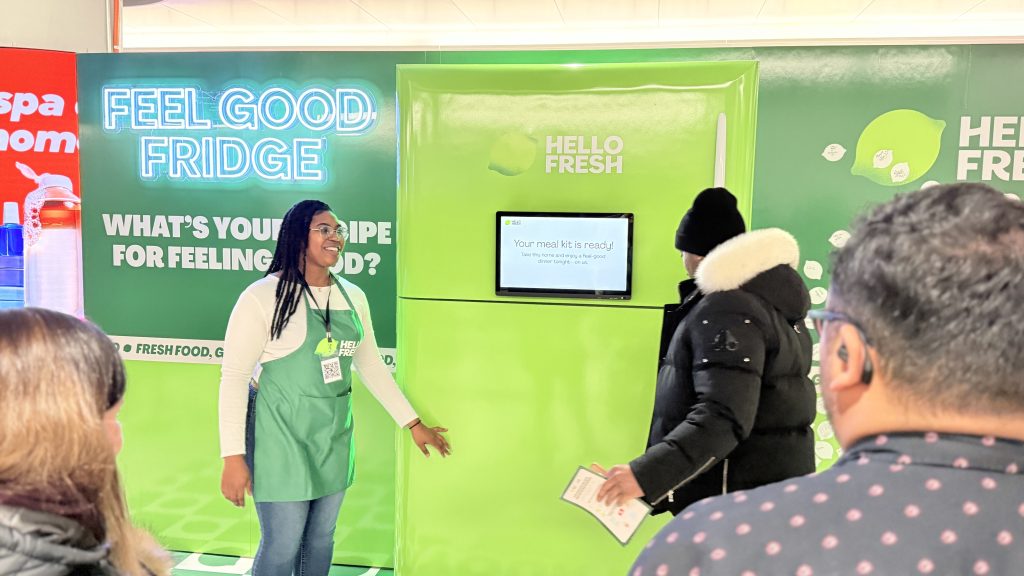
Keep the entry point simple and utilize clear signage, intuitive mechanics, and visible examples of others playing to reduce friction.
Ideally, someone should be able to walk up, observe for a few seconds, and immediately understand how to participate.
Inclusivity is another critical aspect. Not everyone is comfortable with high-energy competition or complex tech.
You can offer different levels of interaction, such as quick wins, casual participation, or deeper engagement, to ensure you’re not limiting your audience.
Design for Real Engagement and Not Just Traffic
While a crowded booth can look impressive, the reality is that volume doesn’t always translate to value.
Gamification works best when it encourages meaningful interaction rather than just quick participation. Things such as a simple prize wheel might draw a crowd, but it rarely creates a lasting impression unless it’s tied to something deeper.
Consider how your game can spark conversation, prompt attendees to learn something new, and create a moment when your team naturally steps in to guide, explain, or connect.
For instance, interactive quizzes or challenges tied to industry insights can open the door to more informed discussions. On the other hand, collaborative games can create shared experiences that make your brand more approachable.
Use Rewards Strategically
Rewards are a powerful motivator when it comes to gamification, but they need to be used thoughtfully.
While giveaways can attract attention, the most effective incentives are those that reinforce your brand or encourage the next step in the customer journey.
Always consider rewards that feel relevant to the event, such as exclusive content, product samples, or access to something valuable.
Timing also plays a role. Instant rewards can drive participation, while tiered or delayed incentives can encourage deeper engagement.
For instance, unlocking a higher-value reward after completing multiple challenges can keep attendees interacting longer.
There’s also an opportunity to incorporate social sharing into your reward structure. Encouraging participants to post about their experience can extend your reach beyond the event floor.
Capture and Use Data Without Breaking the Experience
One of the biggest advantages of gamification is the ability to gather insights, although this has to be done carefully.
No one wants to feel like they’re filling out a form disguised as a game. The best experiences integrate data capture naturally, whether through registration, progress tracking, or post-game follow-ups.
Technology can help here. You can implement features such as RFID badges, QR codes, or simple digital interfaces to streamline the process, making it feel like part of the experience rather than an interruption.
In addition, you need to decide what you’ll do with that data afterwards. It can be a well-executed follow-up which can turn a brief interaction into a lasting relationship.
FAQs About How to Effectively Use Gamification and Interactive Play at Your Next Event
What is gamification in event marketing?
It’s the use of game mechanics to encourage attendee interaction and engagement at events.
Does gamification work for B2B events?
Yes. In fact, it can be effective in B2B settings by making complex products or services more engaging and easier to understand.
How do you measure success in gamified activations?
Success can be measured by metrics such as participation rates, lead quality, dwell time, and post-event conversions.
What types of games work best at events?
Simple, intuitive experiences such as quizzes, challenges, or interactive demos tend to perform best, especially when they align with your brand.
Is technology necessary for gamification?
Not always. Even though digital tools can enhance the experience, well-designed physical games can be just as effective.
Bottom Line
Gamification and interactive play are reflections of how people want to engage. Today, attendees are no longer satisfied with simply observing; they want to participate, explore, and connect in meaningful ways.
When thoughtfully designed, interactive experiences can transform a standard event presence into something memorable, measurable, and genuinely impactful.
All you need to do is create moments that draw people in, keep them engaged, and leave them with a clear sense of who you are and what you offer.
At Tigris Events (powered by Simon Pure), we help brands turn these moments into memorable experiences that are designed with intention, executed with precision, and built to deliver tangible results.