How to Stand Out When You’re Just One Booth in a Busy Conference

The Return of Analog: Why Brands Are Bringing Real-World Connection Back
October 28, 2026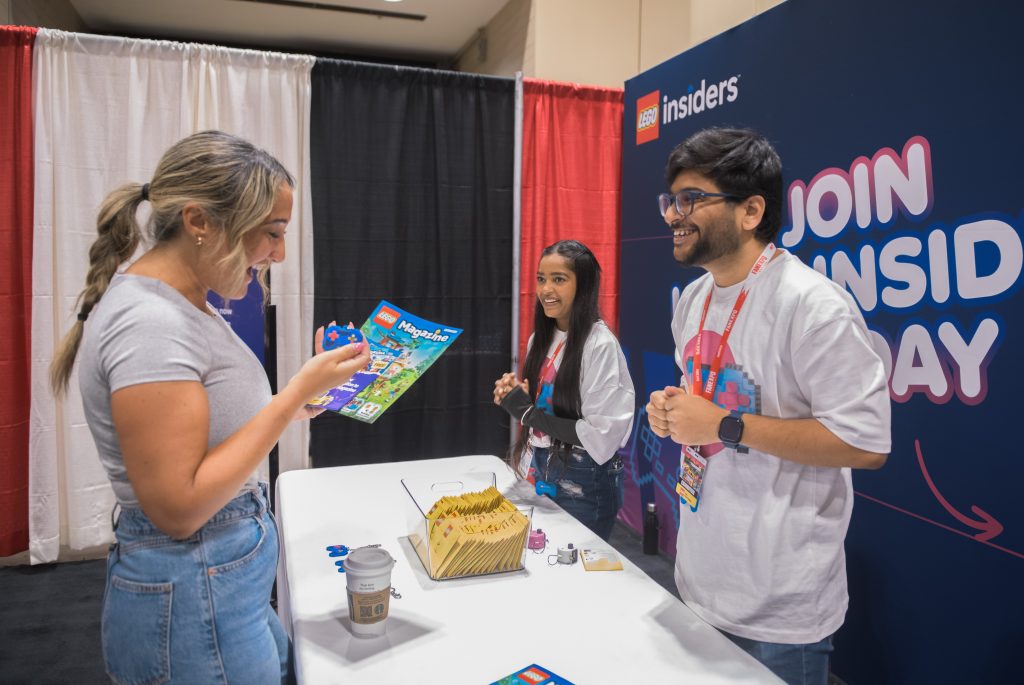
When you walk into any major conference floor, you can easily spot the problem within minutes.
You’ll bump into row after row of booths with similar backdrops, the same bowl of mints, and the same stack of brochures.
Most attendees tend to drift past with coffee in hand, scanning for a reason to stop.
The truth is that even though your booth might be one of hundreds, the people in those aisles are exactly who you want to meet.
Cvent reveals that 81% of trade show attendees have buying authority, and 92% come looking for new products.
This article highlights how you can stand out when you’re just one booth in a busy conference.
Book Your Best Conversations Before the Show Opens
The most successful exhibitors don’t wait for walk-up traffic, but instead fill their calendar weeks in advance.
This mostly works because attendees plan. Research from the Center for Exhibition Industry Research (CEIR) found exhibitors who market before a show see 46% more booth visits than those relying on floor traffic alone.
Start with the registered attendee list if the organizer shares one. Send targeted invitations to key accounts and offer a specific reason to visit.
That could be a private demo, a first look at a new product, or a short meeting with a senior leader.
Build buzz on social channels, too. Tease what’s coming and tag the event. Creators and industry voices can help carry that message further.
Then confirm every meeting the day before. Remember that a booked slot is more valuable than a hopeful wave from the aisle.
Design for the Three-Second Glance
Attendees decide whether to stop in the time it takes to walk past. Your booth needs to answer one question instantly: why should I care?
Lead with a single, bold message. Skip the paragraph of product features. Write one clear line that names a problem your audience feels, and make it readable from across the aisle.
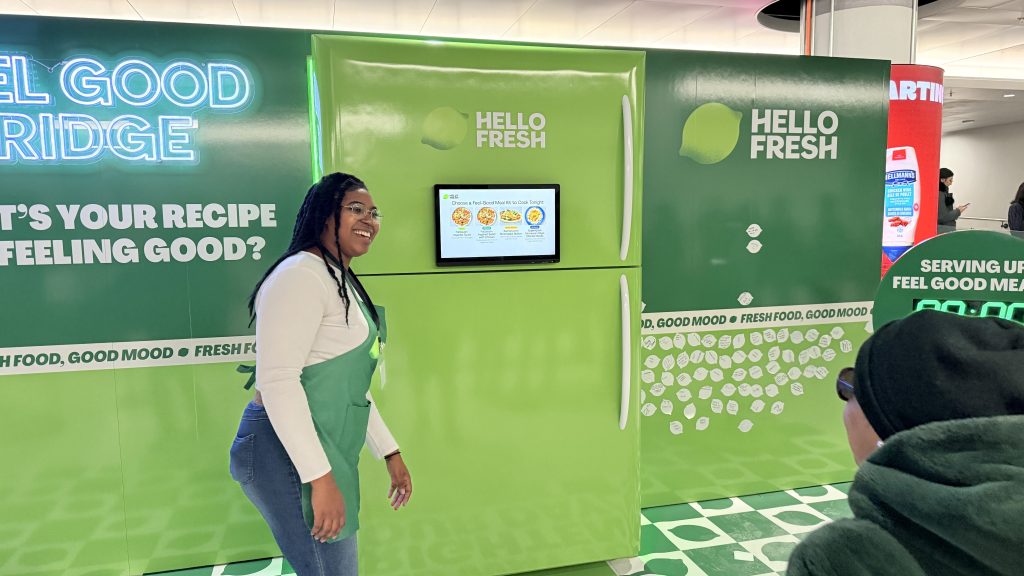
Use height wherever the show allows it. A hanging sign, tall backwall, or illuminated tower helps you get found from the far end of the hall.
Note that strong lighting and a confident colour palette make the space feel alive, even in a small footprint.
Keep the front open. Placing a table across the entrance works like a barrier. So consider moving it back or to the side so guests can step in without feeling trapped.
Finally, cut the clutter. Every extra banner, stand, and brochure rack competes for attention. A clean space with one clear focal point will always outperform a busy one.
Give People Something to Do
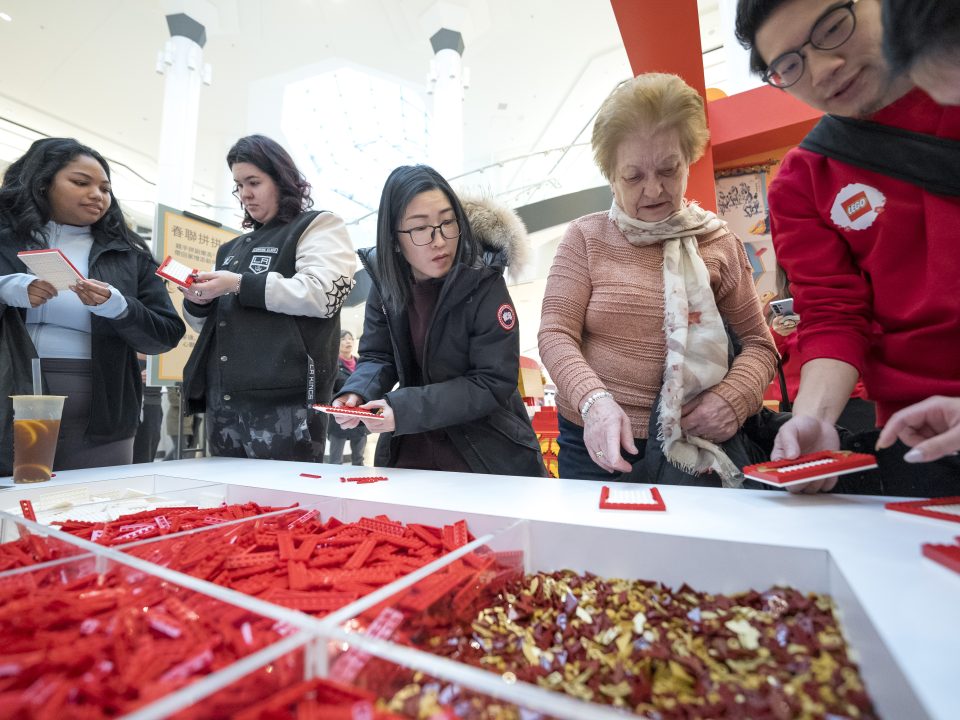
Passive booths get passive results. An interactive hook gives attendees a reason to stop and a reason to stay.
The best hooks connect directly to what you sell. This can be a live product demo that shows value in real time, or a short challenge that invites friendly competition.
Always schedule demos at set times and promote them on signage. Remember that a small crowd attracts a bigger one, and scheduled moments give pre-booked guests a reason to return.
Staff Your Booth With People Who Know How to Engage
A beautiful booth can still fail if the people inside it are checking their phones. Your staff are the experience.
Choose people with energy, product knowledge, and genuine curiosity. Brief them on your goals, key messages, and ideal customer before the show.
Give them a few open-ended opening lines that go beyond “Can I help you?”
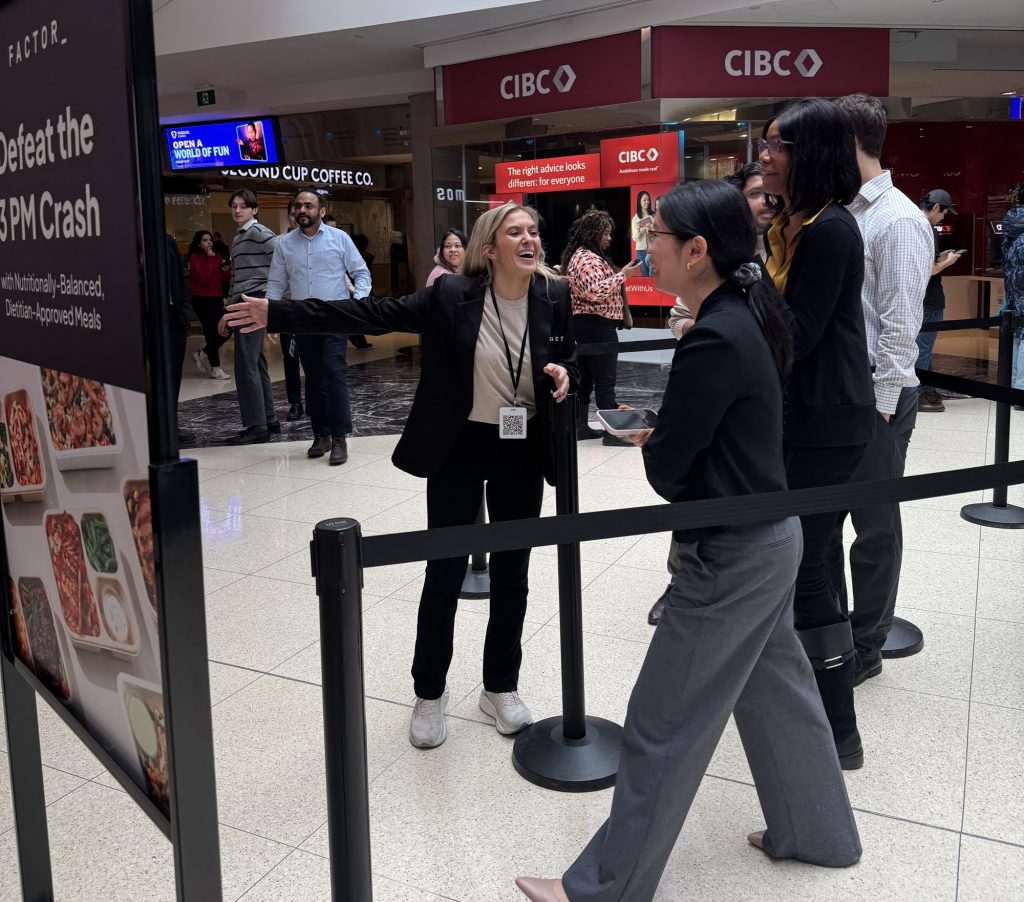
Assign clear roles. One person draws guests in from the aisle, another handles demos, and a senior team member takes qualified conversations deeper.
Plan shifts and breaks, too. Conference days are long, and fatigue shows fast. Fresh faces keep energy high from opening to close.
Extend Your Presence Beyond the Booth
Some of the most valuable conversations happen away from the show floor. Smart exhibitors create moments that stretch past their booth space.
Host an early breakfast for key accounts before the hall opens. Sponsor a coffee cart or charging lounge with your branding and a team member nearby.
Arrange an after-hours reception at a nearby restaurant for top prospects. These moments feel more personal and less transactional.
Guests have time to talk, and you have room to build a relationship rather than just scan a badge.
Keep them small and targeted. A table of 12 of the right people is worth more than a crowded party of 200 casual attendees.
Promote these moments in your pre-show outreach so they feel exclusive from the start.
FAQs
Does a bigger booth always perform better?
No. A small booth with a clear message, strong staff, and an engaging hook can outperform a larger one that lacks focus.
What should our booth staff say to attendees?
Open with a question, and not a pitch. Ask about their goals or challenges, then connect your solution to what they share.
How do we measure booth success?
Track qualified leads, booked meetings, demo participation, and post-show follow-ups.
Should we follow up right after the show?
Yes. Reach out within a few days while the conversation is still fresh. Reference a specific detail to make it personal.
Bottom Line
Standing out at a busy conference is not a matter of having the biggest booth or the flashiest display.
All you need to do is remain intentional. The brands that win plan ahead, communicate clearly, and create experiences that give people a reason to stop and engage.
When the details come together, a single booth can feel like the centre of the room. Attendees remember how you made them feel, and those memories turn into conversations long after the show ends.
At Tigris Events (powered by Simon Pure), we help brands turn crowded show floors into meaningful connections. If you’re preparing for your next conference, we’d love to help you make your presence count.