Best Practices for Outdoor Food and Beverage Sampling

Trade Show Giveaway Ideas That Get Remembered
September 2, 2026
There’s a reason sampling booths always draw a huge crowd every time.
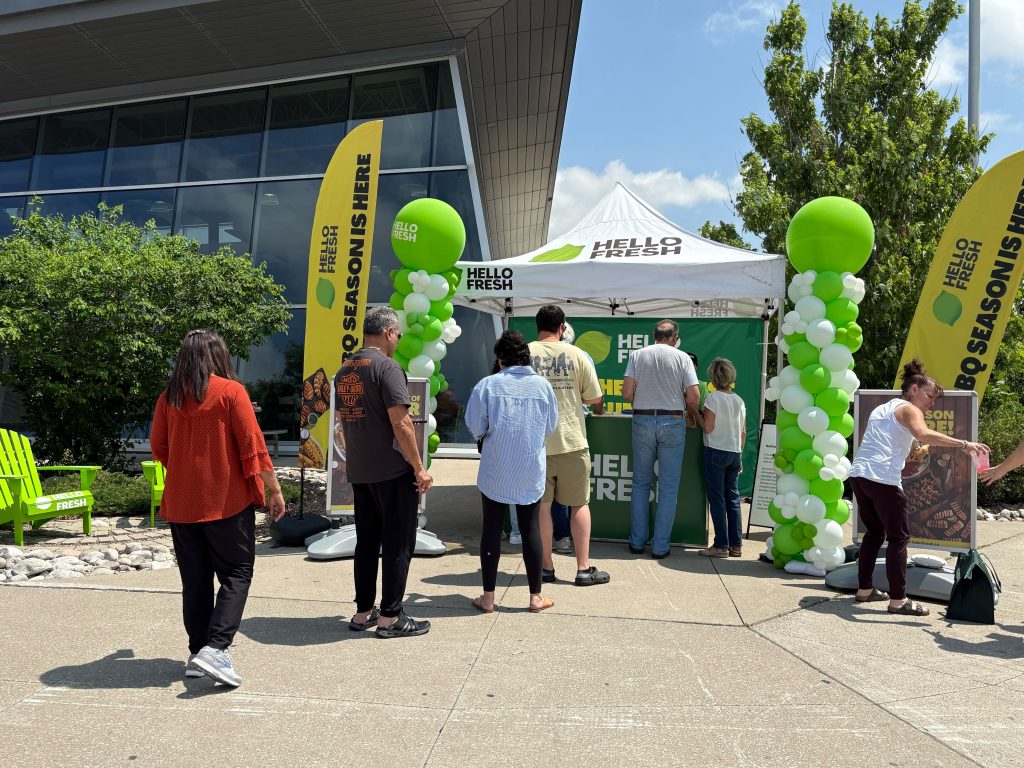
However, if you’ve ever run an outdoor sampling activation you probably know that it’s not as simple as setting up a table and handing out cups.
Heat melts things it shouldn’t, wind knocks over napkin stacks, health codes vary block to block and all these aspects need to be managed effectively.
Besides, the difference between a sampling station that builds real brand loyalty and one that just feeds a hungry crowd comes down to details most people don’t think about until something goes wrong.
So, if you’re planning an outdoor food or beverage sampling campaign, here’s what you need to keep in mind.
Plan Around the Weather, Not Just the Date
Outdoor sampling lives or dies by conditions nobody can fully control.
A 95-degree afternoon turns chocolate, dairy, and anything with a delicate texture into a liability within minutes.
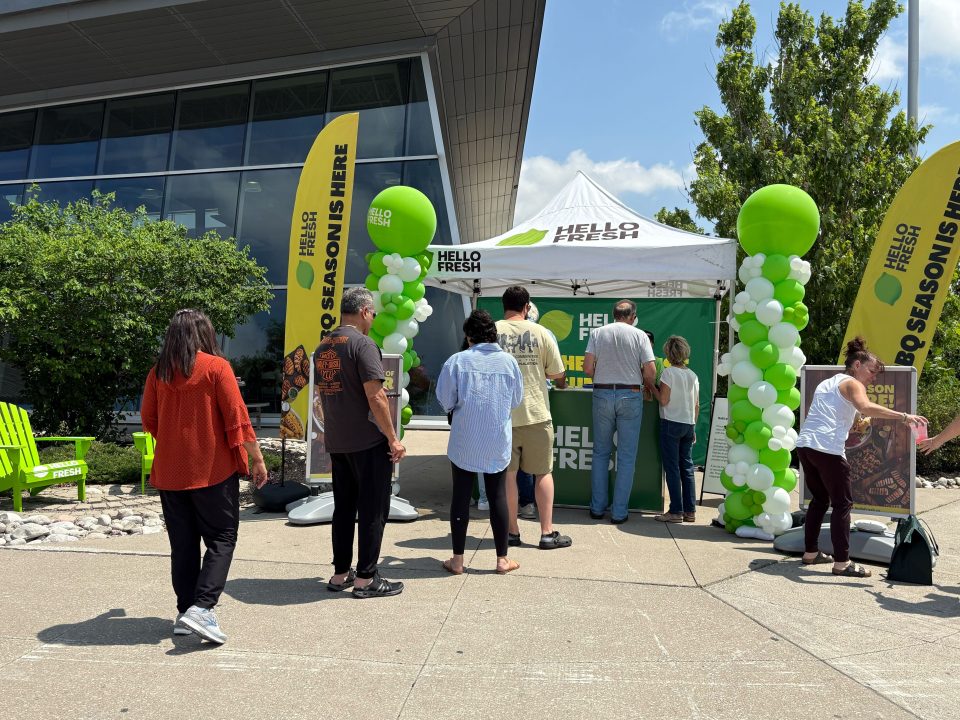
Similarly, a windy day sends napkins, cups, and lightweight packaging across the venue while rain means your entire setup needs a backup plan.
The teams that get this right build weather contingencies into the plan from day one.
That might mean insulated coolers with extra ice capacity, tented coverage with proper weighting, or simply choosing a product format that holds up better outdoors.
Note that this is the same approach that goes into seasonal outdoor activations since you’re not just planning the sample, but for the environment it has to survive in.
Treat Food Safety as Brand Protection
It’s easy to think of health permits and temperature logs as bureaucratic boxes to check.
In reality, food safety compliance is one of the most direct ways sampling protects your brand.
Just a simple visible slip will make the attendees remember the mistake longer than they remember the product.
Local health authorities typically require specific permits, temperature control documentation, and handwashing stations for outdoor food sampling, and requirements can shift from city to city or even venue to venue.
Building this into your planning early, alongside experienced event coordination, avoids the scramble of last-minute permit denials and keeps your team focused on the experience.
Portion for the Moment, Not for Fullness
The goal of a sample is not to feed someone but to give them just enough to form an opinion and want more.
Oversized portions slow down your line, increase costs, and often leave attendees full rather than curious.
Conversely, undersized portions can feel stingy and fail to actually convey flavor or quality.
The sweet spot is usually a portion small enough to consume in one or two bites or sips and big enough to genuinely taste the product’s character.
Beverage brands often do this well with two-ounce pours while food brands do it with bite-sized cuts or single-serving cups.
Getting portioning right also speeds up service, which matters more than people think.
Remember that a slow-moving sampling line is one of the fastest ways to lose a crowd’s patience on a hot day.
Staff the Event Like a Conversation
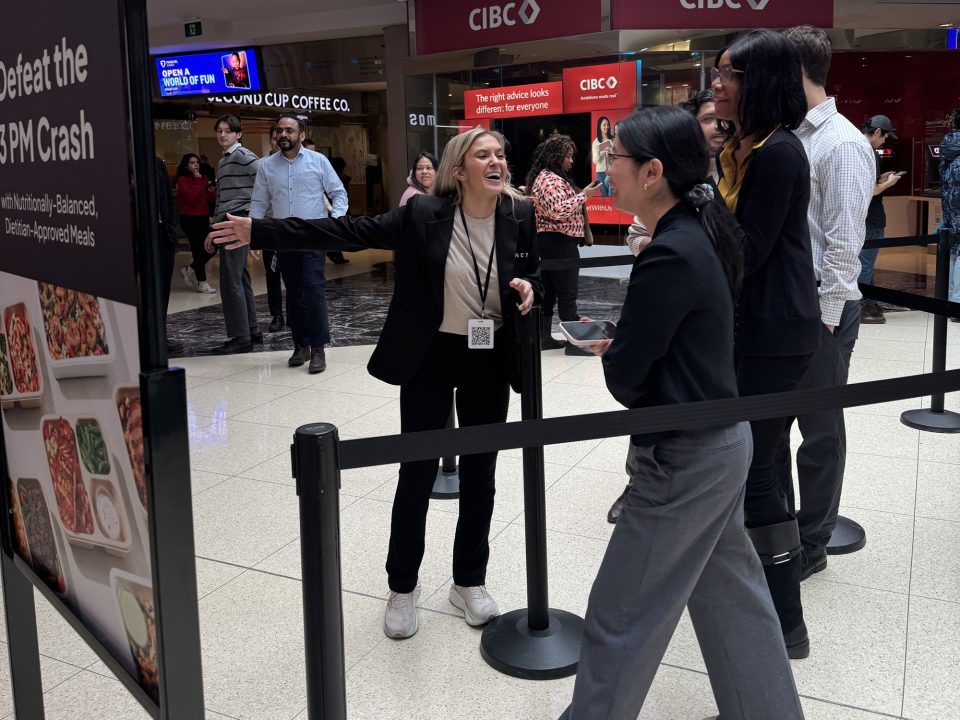
While the product might be the star, the people handing it out determine whether that moment turns into brand recall or just a snack.
Sampling staff who simply hand over a cup and move on to the next person are wasting one of the most valuable few seconds of direct customer contact your brand will get all year.
Well-trained brand ambassadors know how to use that brief window
This is the moment that makes the product different, a question that gets the attendee talking, and a genuine reaction to their feedback.
This is also where skilled event staffing makes a measurable difference over a table of unbriefed temp workers.
Capture the Moment Beyond the Bite
A sample that disappears into someone’s mouth and nowhere else is a missed opportunity.
The best outdoor sampling activations build in a way that extends the moment like a QR code linking to a discount, a quick survey capturing feedback in real time, or a branded takeaway.
This is also where sampling doubles as informal market research.
Field teams trained to note reactions, ask quick follow-up questions, or track which flavors or products got the strongest response give brands data that’s hard to get anywhere else just like field market research teams operate at larger activations.
FAQs About Outdoor Food and Beverage Sampling
Do I need a permit for outdoor food sampling?
In most cities and venues, yes. However , requirements vary by location, so it’s worth confirming with local health authorities ahead of the event date.
How do I keep samples fresh in hot weather?
Use insulated coolers, frequent ice rotation, and choosing product formats that hold up outdoors.
What’s the ideal sample size?
It should be small enough to consume in one or two bites or sips and just enough to convey flavour and quality without slowing down the line or costing more than necessary.
Should sampling staff be trained differently than regular booth staff?
Yes, sampling staff need quick, natural conversation skills and food-safety awareness, since they’re handling both the product and a brief, high-impact interaction.
Can outdoor sampling work as more than brand awareness?
Yes, with the right setup, sampling can double as real-time market research, capturing reactions and feedback that are hard to gather any other way.
Conclusion
While outdoor food and beverage sampling looks simple from the outside the activations that actually build brand loyalty are the ones planned down to the smallest detail.
This includes the weather contingency, permit paperwork, portion size, the person handing over the cup, and what happens in the moments after it’s empty.
If you skip any one of those, you risk turning a promising brand touchpoint into a forgettable freebie or, worse, a visible misstep.
But if you get them right, a two-ounce pour or a single bite can do more for brand recall than an entire afternoon of paid advertising.
At Tigris Events (powered by Simon Pure), we help brands plan and staff outdoor sampling activations that hold up to the elements and leave a lasting impression, one sample at a time.