What an Experiential Marketing Agency Really Does (and Why It Matters)

The Future of Modular Builds: Scalable Booth Designs for Touring Brands
January 29, 2026
The Human Advantage: Why Brand Ambassadors Matter More Than Ever
February 11, 2026
How does a business stand out in the modern world?
It’s not just a hypothetical either (and you might have even been asking it yourself).
The modern world, as you’ve probably noticed, is crowded with ads and countless brands trying to get your attention – whether it’s billboards, television, banners, or what have you.
And even if you get noticed in all that noise, what guarantee is there that you or your offers will even be remembered?
Luckily, experiential marketing offers a strategic approach to creating moments where audiences observe brands and interact with them emotionally and physically, in ways that stick out from the crowd.
But what does an experiential marketing agency actually do?
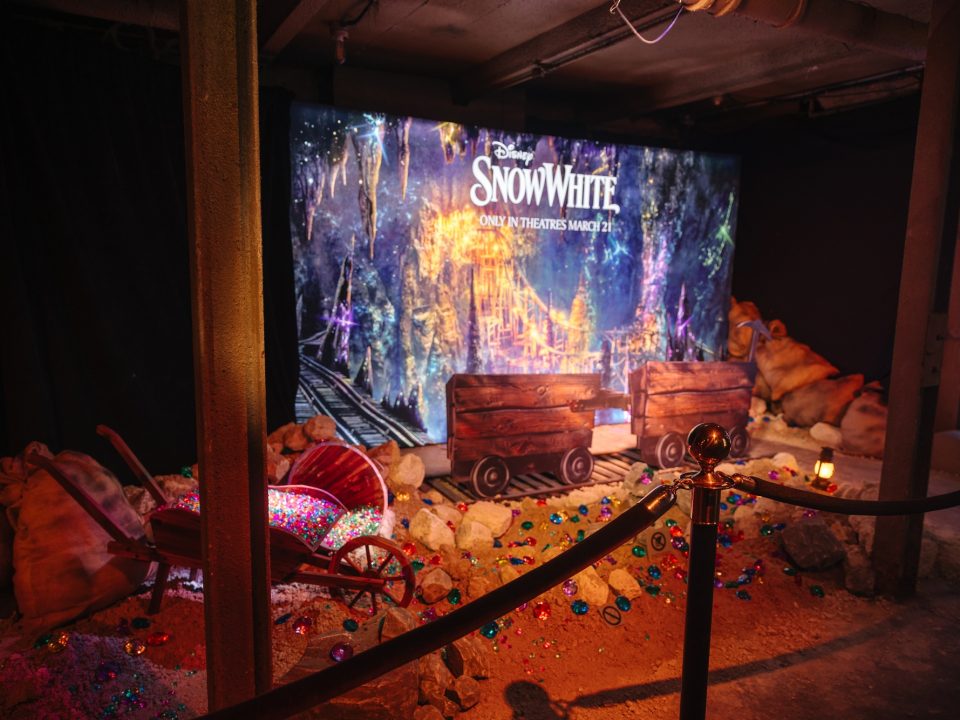
Beyond Instagram-worthy activations and flashy booths, there’s a deep, strategic craft behind building immersive experiences.
Let’s discuss how experiential marketing works and what an experiential marketing agency does.
What’s Experiential Marketing?
At its heart, experiential marketing is about engagement.
This is where storytelling meets live experience, transforming a brand from something people see into something they participate in.
While traditional advertising communicates a message, experiential marketing makes it real.
It can also be defined as a rooted psychology, given that experiences create emotional bonds and memories.
A recent study revealed that 85% of consumers are more likely to make a purchase after attending a branded experience. That’s a sizable majority!
Therefore, this gives you a clear picture of the power of experiential marketing in transforming your business.
What an Experiential Marketing Agency Actually Does
If you’re one of those people who think that experiential marketing agencies just throw parties, think again.
Their role involves:
1. Strategic Planning & Concept Development
Experiential marketing agencies start by preparing questions that demand real answers.
These questions include: What is the objective? Who is the target audience? What behaviours do we want to drive?
This phase looks at audience segments, behavioural insights, and brand goals. It’s where big strategic thinking happens, such as deciding whether a pop-up, a trade show activation, or a sampling tour best serves business outcomes.
It’s also where agencies set measurable goals, such as leads captured, dwell time increases, sentiment lift, or purchase intent.
2. Creative and Immersive Design
This is the part that’s responsible for capturing headlines that align with the strategy.
Experiential marketing agencies design environments, interactive elements, and sensory cues that align with brand messaging and audience expectations.
The design can be anything, like a tactile experience that invites touch or a VR journey that lets someone step inside a story. The goal is to find something unique that will make the brand memorable.
3. Venue, Logistics, and Vendor Management
Behind every seamless experience is precise coordination that works on securing permits, staging, electrical and lighting suppliers, among other requirements.
An experiential marketing agency ensures all of this works for a successful activation event, saving you a ton of hassle.
4. Talent and On-site Staffing
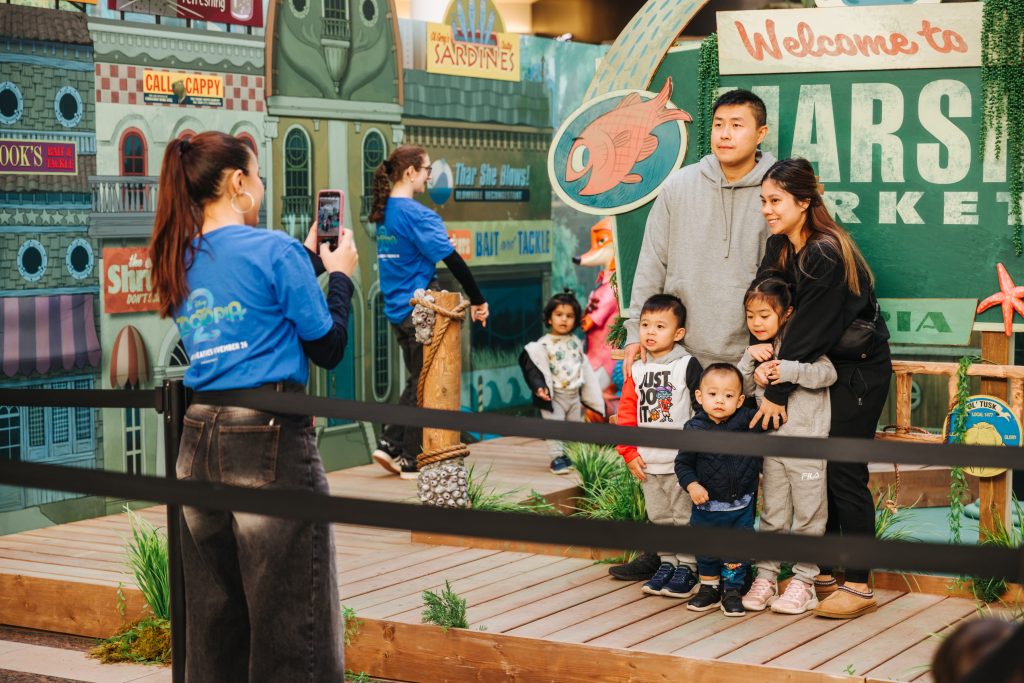
The people representing a brand live such as hosts, brand ambassadors, technicians, or make a massive difference.
Agencies recruit, train, and manage these teams so they deliver the intended experience consistently and professionally.
When staff are aligned with the brand and trained to engage authentically, the experience feels human, thus improving engagement.
5. Audience Engagement Before, During, and After the Event
A standalone event is just one chapter. The most effective activations have pre-event teasers and post-event follow-ups.
This involves emails and social media content, and community-building initiatives that extend the lifespan of the experience.
Why It Matters (Beyond Traditional Advertising)
You’ve probably seen the buzz around brand experience. This is mainly because consumers prefer experiences that feel real and personalized.
According to research from EventTrack, experiential attendees are 91% more likely to recommend a brand after attending a live activation than those who’ve only interacted through ads.
Another study showed that people’s emotional connection to a brand increases significantly after a live event.
In a digital world where people constantly screen out ads, live experiences cut through because they feel different. They’re more memorable and genuine, thus easy to stand out.
When it comes to ROI, high-value prospects can be added to CRM systems and nurtured through the funnel, turning engagement into revenue.
When to Bring an Experiential Marketing Agency Onboard
Most business owners struggle when they need to bring an experiential marketing agency on board for their upcoming events.
The truth is that the earlier an agency is brought into the conversation, the more strategic value they can add.
If your activation involves multiple markets, custom builds, touring logistics, or layered technology, it’s a strong sign that outside expertise will save time, reduce risk, and improve outcomes.
Even though experiential programs tend to look simple on the surface, they require detailed planning across vendors, venues, staffing, compliance, and timelines behind the scenes.
Agencies are valuable when the campaign supports a larger business goal, such as a product launch, regional expansion, or a flagship trade show presence.
In these cases, experiential marketing agencies work best when they’re integrated early with broader marketing, sales, and content strategies so that every touchpoint feels interconnected.
How to Evaluate a Potential Experiential Partner
Choosing a potential experiential partner can be hectic. Here are some actionable tips to consider:
Proven Experience at Your Scale
Look beyond surface-level creativity. A strong experiential partner should have case studies that reflect the complexity, audience size, and brand standards you’re working with.
Experience delivering for mid-to-large national or global brands signals their ability to manage pressure, timelines, and expectations without surprises.
Operational and Logistical Strength
Experiential lives or die in the details. Take time to evaluate how the agency handles logistics, vendor management, permitting, safety planning, and contingency scenarios.
Remember that strong operational processes are often invisible when done well but painfully obvious when they’re not. The agency should be capable of handling the weight of your event in terms of planning and logistics.
Talent and On-Site Staffing Approach
Watch out for how the experiential marketing agency sources, trains, and manages staff who represent your brand live.
Brand ambassadors, hosts, and support teams should feel informed, aligned, and genuinely engaged.
Reputation and References
Ask for references and listen closely to how past clients describe working with them.
Consistency, reliability, and accountability matter just as much as big ideas when months of planning are on the line.
FAQs About What Experiential Marketing Agencies Do
When should a brand hire an experiential marketing agency?
When a campaign involves live events, complex logistics, multiple markets, or requires specialized expertise beyond an internal marketing team.
Do experiential marketing agencies only handle events?
No. They also manage strategy, creative development, staffing, technology, logistics, and post-event measurement.
How do experiential marketing agencies measure success?
They track metrics such as engagement levels, dwell time, lead capture, content generation, and audience sentiment.
How early should an experiential marketing agency be involved?
Ideally, six to nine months before a major activation, trade show, or touring experience.
Conclusion
Experiential marketing creates meaning and ensures attendees remember your brand for a long time.
In an era where audiences are increasingly selective about what they engage with, live brand experiences offer something traditional channels struggle to deliver: attention, emotion, and memory, all at once.
When done well, experiential marketing strengthens brand perception, supports larger marketing and sales objectives, and creates touchpoints that people actually remember long after the event ends.
However, that level of impact doesn’t happen by accident. It requires strategic thinking, operational precision, and partners who understand how to turn ideas into experiences that work in the real world.
At Tigris Events (powered by Simon Pure), we help brands design and deliver experiential programs that connect with audiences, align with business goals, and stand up to the realities of live execution.