How Event Partnerships Can Help Your Marketing Budget Go Further

Do Events Really Need to Be All Day? The Rise of Focused Brand Experiences
October 14, 2026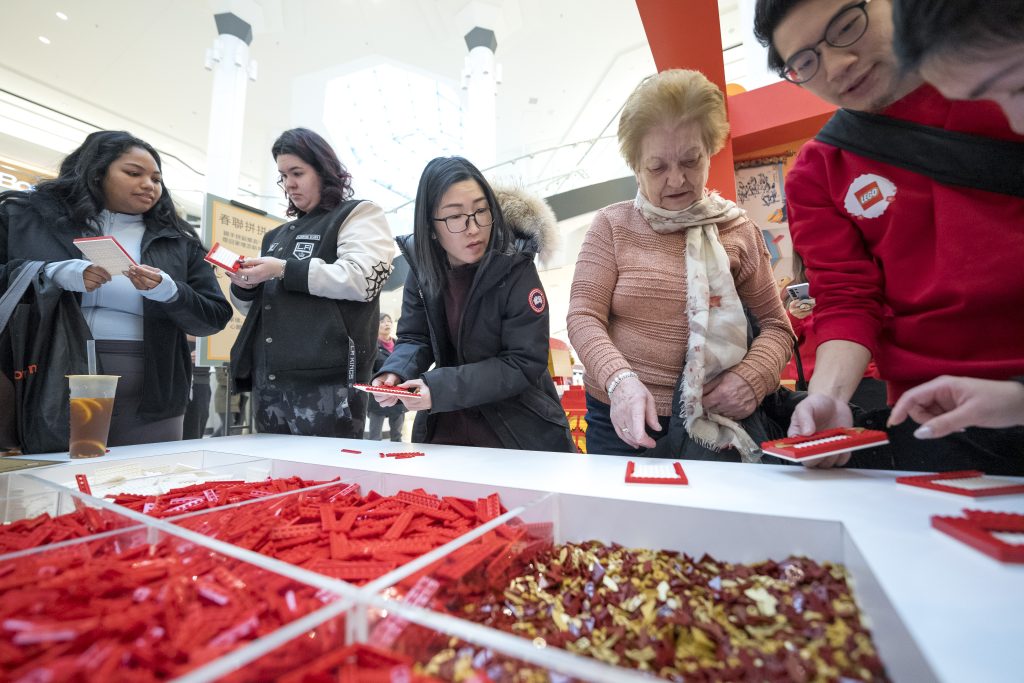
While every marketing budget has a ceiling, ambition rarely does. Most brand leaders want bigger footprints, richer experiences, and more people in the room, without a matching jump in spend.
That tension is where event partnerships earn their keep. The right partner brings what money usually has to buy: an audience, a venue, a product, talent, or reach.
On the flip side, you’ll also need to offer the same in return. This results in an activation that looks and feels like a much larger investment.
According to the Harvard Business Review, in-person requests were 34 times more likely to get a positive response than emailed ones.
So, how does event partnership help your marketing budget go further?
Let’s find out in this article.
How Event Partnerships Can Help Your Marketing Budget Go Further
Shared Costs Lower Your Upfront Investment
Many of the highest costs in business activations are fixed. They include venue rental, permits, insurance, build, power, and security costs.
Note that these costs will always remain the same whether one brand shows up or two. However, when a partner shares the event, those costs are split.
That can cut your share of the fixed spend by half or more. The savings don’t have to disappear, either. Many brands reinvest them in the parts guests actually notice, such as a stronger interactive element, better staff, or premium materials.
Shared costs also make larger formats possible. A brand that could only afford a small pop-up alone might co-host a full weekend experience with the right partner.
The key is agreeing on the split early. Put every cost line in writing, along with who pays, who approves, and who owns what afterward. Having clear terms will prevent the budget surprises that can sour a good partnership.
You Reach New Audiences Without Paying to Find Them
Reaching new customers is usually expensive. Paid media, targeting, and list building all add up, but a partnership gives you access to an audience someone else has already built.
When you team up with a complementary brand, your activation is promoted to their customers, subscribers, and followers.
They’re introduced to you through a name they already trust. That warm introduction often converts better than a cold ad.
The audience works both ways. Your partner reaches your customers too, which is why these deals feel fair to both sides.
Note that the best matches share an audience but not a category. This can be partnerships like a premium cookware brand and a craft spirits label.
A fitness wearable and a sports nutrition company. Each benefits from the other’s reach without competing for the same sale.
In-Kind Contributions Replace Budget Line Items
Not every partner pays in cash. Many contribute products, equipment, or services you would otherwise have to buy.
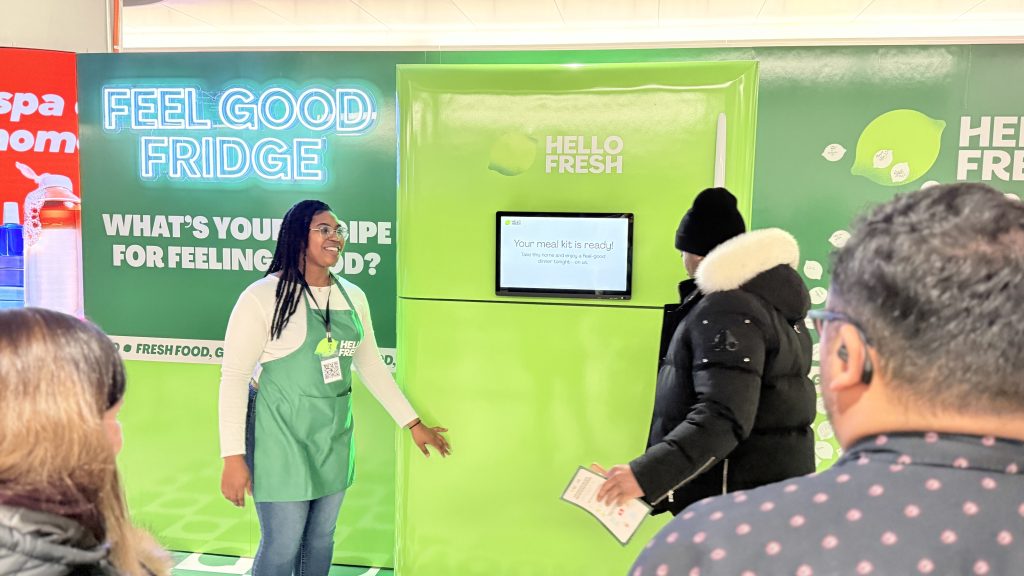
A beverage partner might supply drinks for guests. An AV company might provide screens in exchange for visible placement, while a local bakery, florist, or furniture rental firm might supply what they do best in return for exposure.
These trades can cover a surprising share of an event’s costs. They also add variety and quality that would be hard to fund alone.
Always treat in-kind deals with the same care as cash. Assign a fair market value to each contribution and set clear quality and delivery standards.
You Tap Into Infrastructure You Don’t Have to Build
Building an event from nothing means paying for everything. Partnering with a venue, property owner, or established event lets you use infrastructure that already exists.
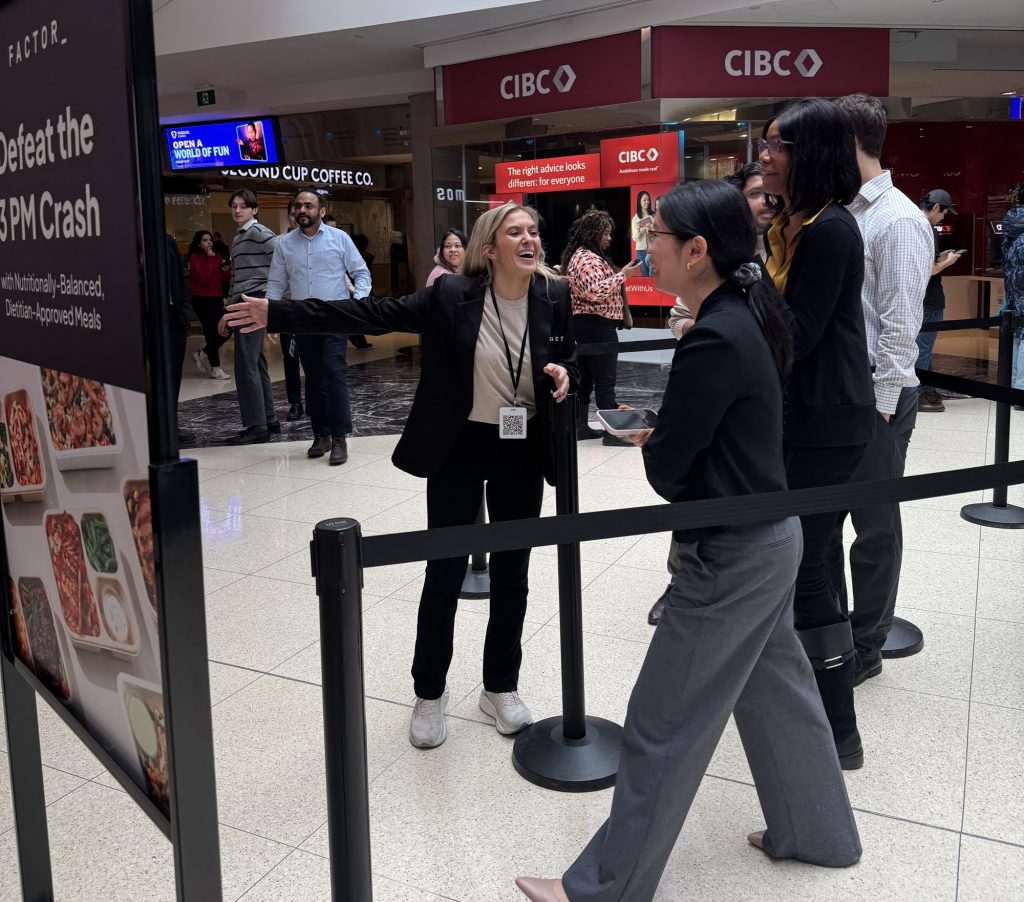
Shopping centres, hotels, and business improvement areas often want the foot traffic your activation brings. In return, they may offer reduced rent, power, security, or cleaning.
Festivals, conferences, and trade shows come with audiences, permits, and logistics already in place. On average, sponsorship accounts for about 12% of a brand’s marketing budget, so using it well matters.
A common industry guideline is to set aside at least as much for activation as for the rights fee. Without that investment, a logo on a banner rarely delivers.
This is where an experienced event planning agency pays off. Knowing what to negotiate and what to spend on turns borrowed infrastructure into a real return.
Your Reach Extends Beyond the Event Day
A standalone activation often ends when the doors close, but a partnership keeps it working longer, without extra media spend.
Each partner promotes the event before, during, and after it happens. Their emails, social posts, and in-store signage add impressions you didn’t have to buy.
Media and creator partners can extend that reach further with coverage and content.
That content keeps working for weeks. Photos, videos, and recaps from the event continue to reach new people on several channels at once.
Keep in mind that you should always choose partners for credibility and not just size. A creator with a smaller, engaged audience in your category often outperforms a bigger name with a loose connection.
FAQs
What counts as an event partnership?
Any arrangement where two or more organizations share costs, resources, or audiences to deliver an event. It can involve cash, product, space, services, or promotion.
How do we find the right partner?
Start with audience overlap. Look for brands, venues, or media whose customers match yours but who don’t compete with you directly.
Should one team manage the activation?
Yes. Even with several partners, a single event team should run staffing, logistics, and guest experience. This keeps the experience consistent.
How do we measure partnership ROI?
Agree on shared metrics before the event, such as leads, samples, dwell time, and content reach.
Bottom Line
Stretching a marketing budget doesn’t have to mean shrinking your ambition. The right partnerships turn shared goals into shared resources, helping brands deliver more impact for every dollar spent.
The difference lies in the details. Clear agreements, consistent staffing, and honest measurement turn a good partnership into one worth repeating next season.
At Tigris Events (powered by Simon Pure), we help brands build partnership-driven activations that feel bigger than their budgets. When you’re ready to plan your next one, we’d love to help you bring it to life.