How Smaller Events Can Create Bigger Brand Impact

The 365-Day Event Strategy: Keeping Audiences Engaged Year-Round
September 30, 2026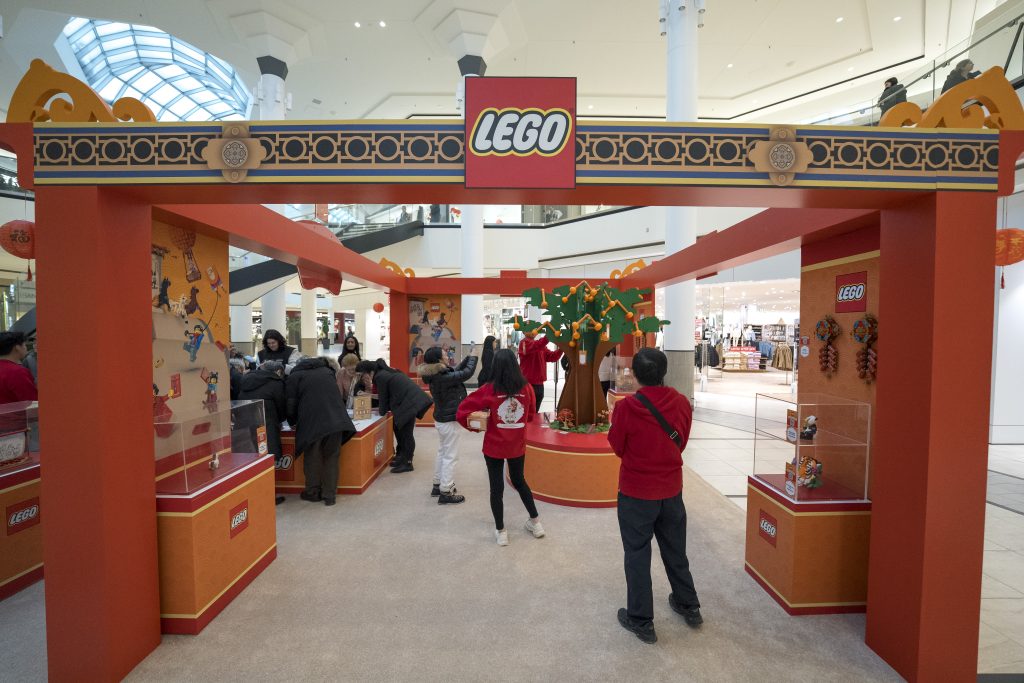
There’s a quiet myth in brand marketing that impact is a function of size, whereby the bigger the booth, the bigger the crowd, the bigger the win.
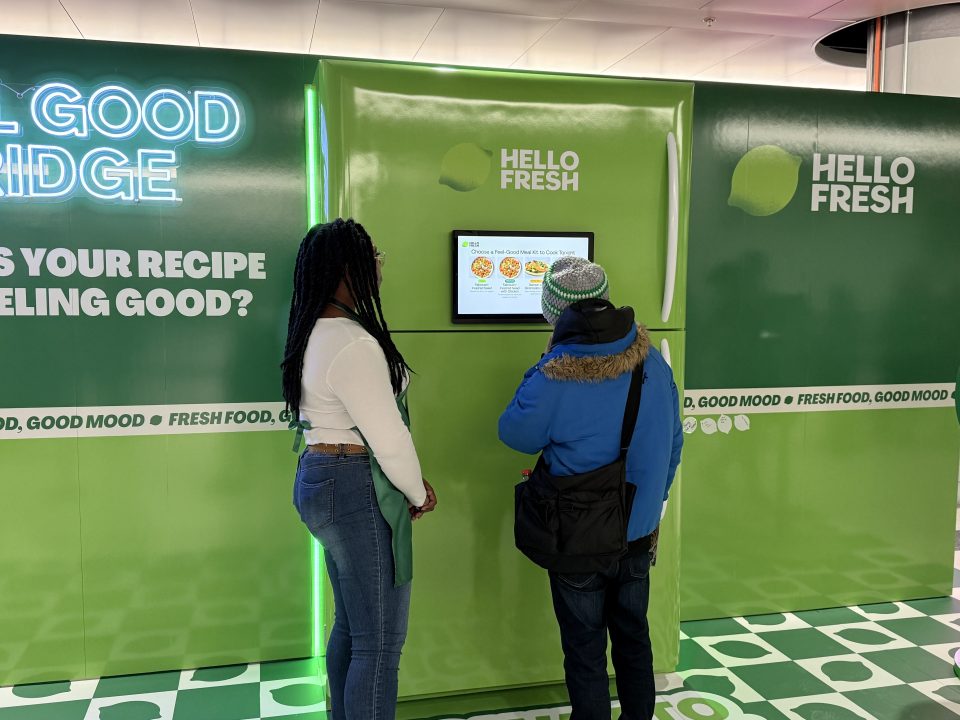
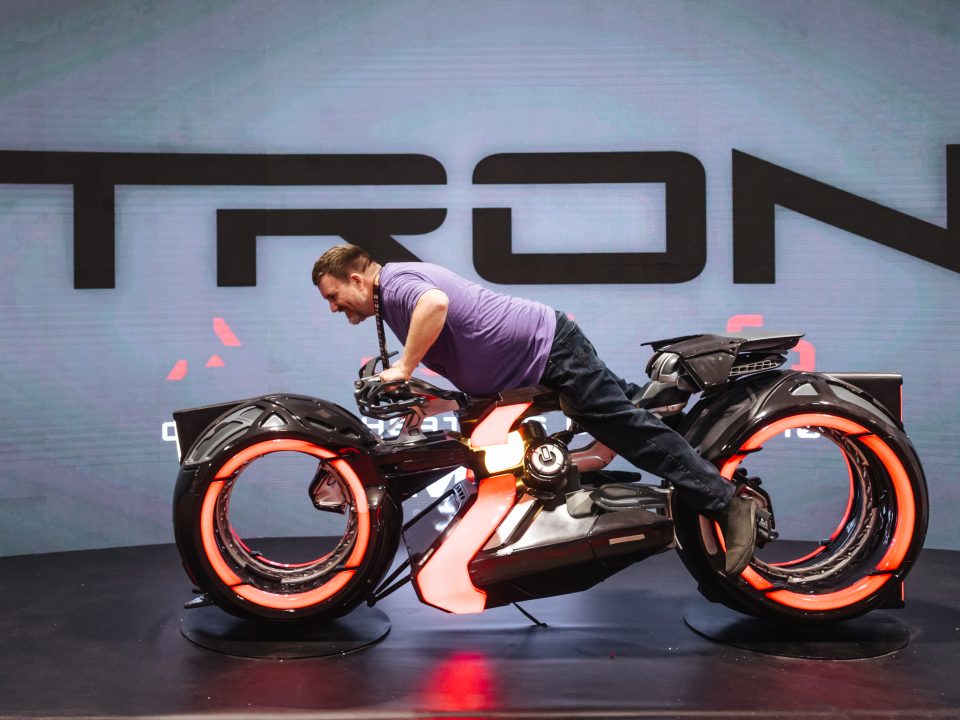
Surprisingly, some of the most talked-about activations we’ve worked on featured a curated pop-up, an intimate influencer dinner, and a single well-staffed trade show booth.
Smaller events tend to force focus, and focus is what turns a passerby into a brand advocate.
Let’s look at how a tighter footprint, done right, can outperform a much larger one.
Ways Smaller Events Deliver Bigger Brand Impact
Smaller Footprints Enhance Sharper Storytelling
When you’re not trying to fill 3,000 square feet, every inch of the space has to earn its place.
That constraint is a gift. A tightly designed pop-up or booth forces a brand to decide on one story and tell it well instead of diluting the message across a sprawling layout.
Attendees remember one clear idea longer than a scattered collection of touchpoints.
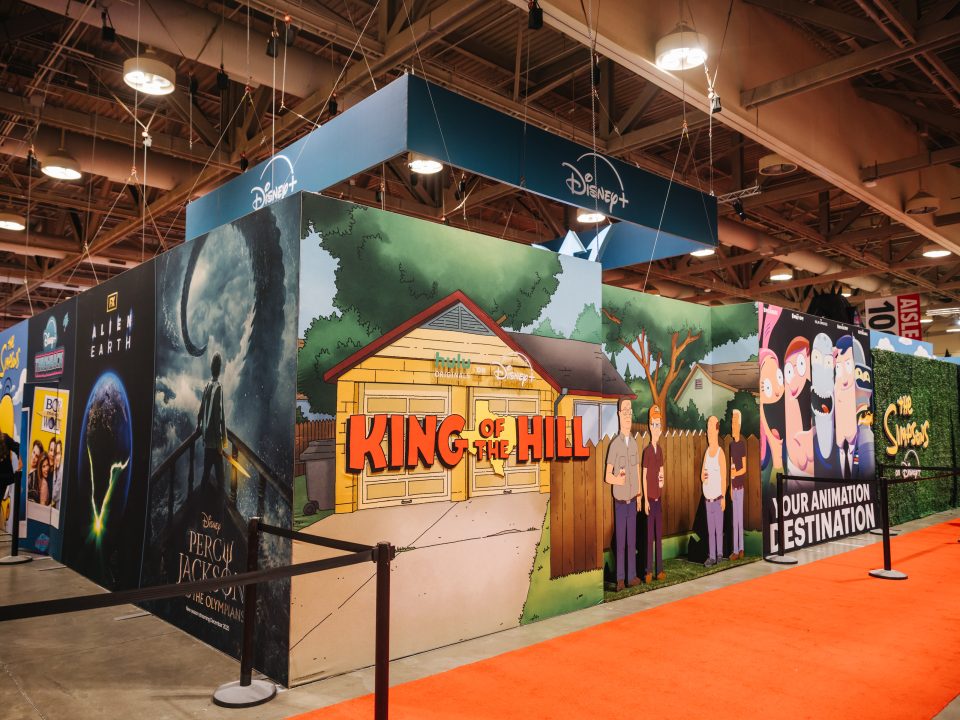
We’ve seen this play out directly in tradeshow execution, where the booths that convert visitors into buyers are the ones with a clear single message and the cleanest path from curiosity to conversation.
Intimate Settings Build Real Relationships
A packed conference floor generates impressions while a smaller, curated event generates conversations.
Picture things like influencer dinners, VIP product previews, or invite-only showcases that include formats that are built around depth of engagement instead of sheer headcount.
Guests in a smaller setting spend more time with your team, ask more questions, and leave with a genuine sense of connection to the brand.
That’s the same principle behind what makes an influencer event effective for brand awareness.
Note that the events that generate real advocacy are rarely the biggest room in the building, but the ones where every guest feels personally hosted.
Every Attendee Becomes a Higher-Value Touchpoint
At a mass activation, staff are stretched thin and interactions are quick and transactional.
At a smaller event, your brand ambassadors can spend real time with each guest understanding their needs, answering questions, and guiding them toward the next step.
That one-on-one attention compounds. Remember that a guest who felt genuinely heard is more likely to remember the brand, share the experience, and follow through on a lead.
This is why staffing quality matters more as an event shrinks.
Smaller Events Are Easier to Measure
One of the biggest challenges with large-scale activations is disentangling what actually drove results.
Smaller, well-scoped events make measurement more precise. This is because there are fewer variables, a defined guest list, and clearer before-and-after data on leads, engagement, or sales.
Marketers under pressure to justify experiential spend to their leadership teams often find that smaller activations give them the cleanest story to tell.
A Tighter Budget Forces Better Creative Decisions
Scarcity breeds creativity. When budget and space are limited, teams tend to make wise choices about design, giveaways, and staffing rather than defaulting to more.
A single, beautifully considered swag item outperforms a table piled with forgettable branded clutter, just as a handful of well-chosen trade show giveaways beats a mountain of throwaway freebies.
The same logic applies to event swag that feels useful and on-brand, whereby smaller budgets, used well, often produce more memorable outcomes than bloated ones.
FAQs About How Smaller Events Can Create Bigger Brand Impact
Is a smaller event really cheaper than a large-scale activation?
Yes. Smaller events reduce costs across venues, staffing, and materials, whereby every dollar goes further toward a measurable outcome.
What kinds of brands benefit most from smaller-scale events?
Any brand focused on relationship-building, product education, or high-consideration purchases tends to see strong results.
How many attendees count as a smaller event?
There’s no fixed number. It’s always more about the ratio of staff, space, and attention to guests than a headcount.
Can a smaller event still generate strong brand awareness?
Yes. Awareness isn’t built only through reach; word-of-mouth, social sharing, and press coverage of a memorable small event can extend beyond the room itself.
How do we know if our event was actually a success?
Clear objectives set in advance make it easier to evaluate a smaller event than one with too many moving parts to track.
Conclusion
Brand impact was never really about square footage, but whether the people who walked away from your event remember why they should care.
A tightly executed, well-staffed, well-storied activation can outshine a sprawling one because it leaves nothing to chance.
As budgets tighten and marketing leaders are asked to justify every experiential dollar, this kind of precision becomes the smarter way to show up.
At Tigris Events (powered by Simon Pure), we help brands turn even the smallest footprint into a moment worth remembering.