Micro-Spaces, Big Impact: Designing Experiences for Small Indoor Venues

The Benefits of Working with an Event Staffing Agency
March 9, 2026
Why Summer is the Prime Time for Experiential Marketing Campaigns
March 24, 2026
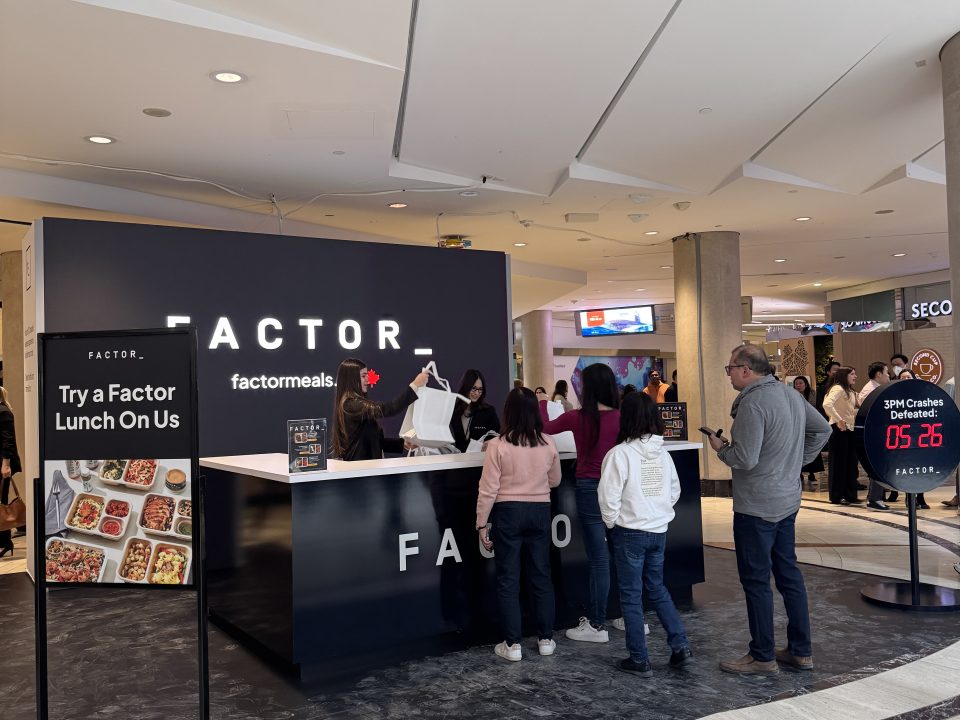
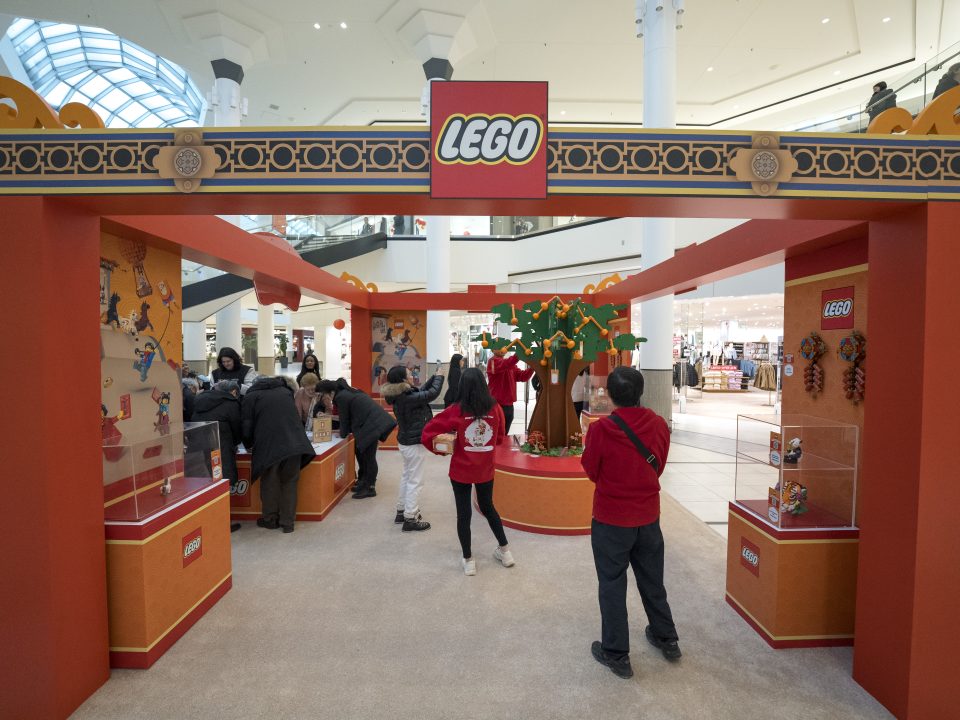
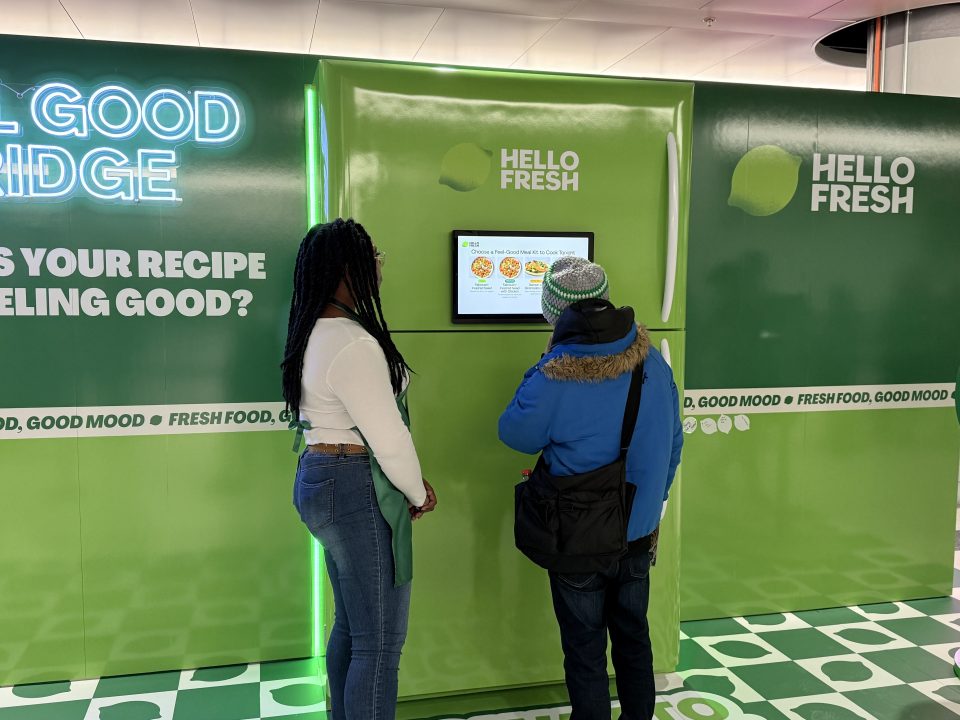
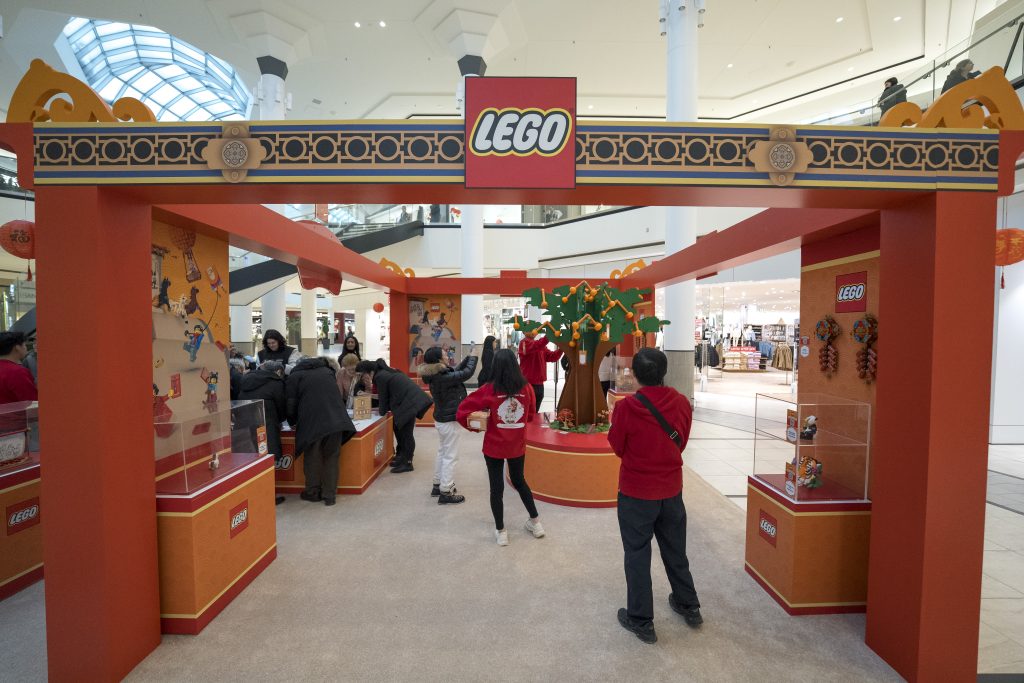
If you’ve ever been to a boutique retail pop-up or a compact conference breakout room full of energy, you probably understand that size doesn’t dictate impact. In fact, some of the most memorable brand experiences happen in the smallest rooms.
While it might seem counterintuitive, constrained spaces often force event marketers and event planners to be more intentional since there’s usually less room for waste and fewer distractions.
Remember, after all, that immersive in-person experiences drive stronger emotional connections and brand recall than passive advertising alone. This means that small venues, when designed thoughtfully, can amplify this effect.
However, designing for small indoor venues requires a keen eye for details. What works in a convention centre booth won’t necessarily translate to a boutique venue or compact activation space.
Here’s how to design experiences that deliver outsized impact, even in the smallest environments.
Design for Flow and Not Just Footprint
One of the most common mistakes in small indoor venues is focusing solely on what fits, rather than how people move.
In compact spaces, guest flow is everything. Poor layout creates bottlenecks, discomfort, and missed engagement opportunities. On the other hand, a well-designed layout feels effortless and natural.
Start by mapping the guest journey from entry to exit. Consider where people will naturally pause, what will draw them forward, and where meaningful interactions should happen.
Instead of filling the room edge-to-edge, create intentional negative space. This breathing room makes the experience feel less crowded and more premium.
You can utilize curved layouts, angled displays, and open sightlines to help guide movement subconsciously. Remember that guests shouldn’t feel like they’re being invited deeper into the experience.
When people move comfortably, they stay longer. And the longer they stay, the more opportunities you have to connect.
Focus on One Core Experience
While large venues allow brands to showcase multiple features, smaller venues demand focus.
Trying to cram too many brand messages, displays, or activities into a limited space dilutes the experience. Instead, anchor the entire activation around one central moment.
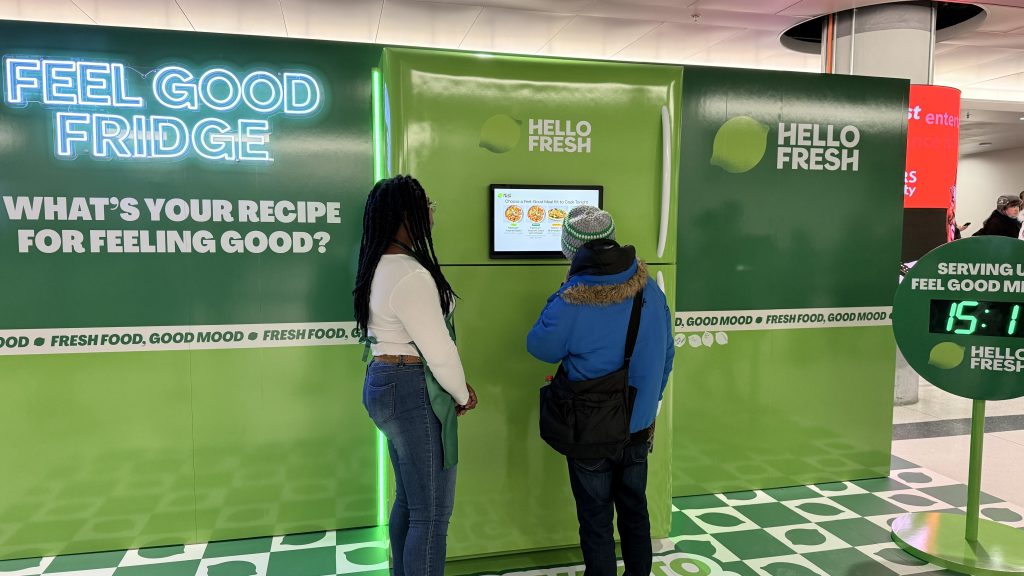
This could be an interactive demo, a sensory installation, a personalized consultation, or a hands-on product moment. Whatever it is, it should serve as the heart of the experience.
Everything else in the space should support that core interaction and not compete with it. This approach improves clarity and memorability.
Guests are far more likely to remember one powerful moment than five fragmented ones. When that moment aligns closely with your brand story, it creates a lasting impression that extends beyond the venue itself.
Use Vertical Space to Expand Perception
When floor space is limited, the solution is not to shrink the experience but to think vertically.
Vertical designs are some of the most underutilized strategies in experiential marketing, especially indoors.
Walls, ceilings, and elevated structures can dramatically expand the perceived size and impact of a space. Hanging elements, vertical lighting features, suspended signage, and layered backdrops draw the eye upward and create depth.
This makes the environment feel larger, more immersive, and more dynamic.
Lighting also plays an important role here. Strategic overhead lighting, projection mapping, or illuminated vertical panels can transform a small room into something that feels expansive and atmospheric.
Apart from aesthetics, vertical design also improves functionality. It frees up valuable floor space while still delivering strong brand visibility.
Prioritize Intimacy and Personal Interaction
Small spaces offer one advantage that massive venues can’t replicate easily: intimacy. The closeness creates a unique opportunity for meaningful human connection.
Guests in smaller environments naturally have more direct access to brand representatives. As a result, conversations feel less transactional and more authentic.
Brands that recognize this shift their focus from presentation to interaction. Instead of speaking to a crowd, they engage individuals.
Staff training becomes important in these environments. Brand ambassadors need to read the room, approach guests naturally, and create personalized interactions that feel genuine.
Even small gestures, like addressing guests by name, offering tailored recommendations, or tailoring the experience to individual interests, can dramatically increase impact.
These one-on-one moments are often what guests remember most. And in many cases, they’re what ultimately influence buying decisions.
Design for Emotional Atmosphere
In small venues, the atmosphere carries enormous weight. Given that guests are fully surrounded by the environment, every detail contributes to how the experience feels.
Lighting, sound, scent, and texture all shape perception. Warm lighting can make a space feel inviting.
Note that directional sound can create focus, while subtle scent can reinforce brand identity. Material choices can signal luxury, innovation, or playfulness.
These sensory cues work together to create emotional context. And remember, emotion drives memory.
A thoughtfully designed atmosphere makes the experience feel intentional and immersive, even if the physical footprint is modest.
It also reinforces brand positioning. A tech brand might lean into clean lines and futuristic lighting, while a lifestyle brand might focus on warmth and comfort.
On the other hand, a luxury brand might emphasize minimalism and premium finishes. In small spaces, these cues define and enhance the entire experience.
FAQs About Designing Experiences for Small Indoor Venues
Are small venues effective for brand activations?
Yes! Small venues often drive stronger engagement because they encourage deeper and more personal interactions. Guests feel more connected to the brand, which improves recall and conversion potential.
How do you prevent small event spaces from feeling crowded?
Intentional layout plays a critical role. Prioritize open pathways, limit unnecessary structures, and control guest flow through timed entry, staffing, or guided experiences.
How important is staffing in small venue activations?
In smaller environments, brand representatives play a larger role in shaping the experience. Well-trained staff can create meaningful interactions that elevate the entire activation.
Can small activations deliver measurable ROI?
Yes. In many cases, small activations deliver higher quality engagement, which leads to stronger conversion rates, better lead quality, and more meaningful brand relationships.
Bottom Line
Designing experiences for small indoor venues is all about precision. When every square foot is intentional, small spaces become powerful storytelling environments.
They allow brands to focus attention, create intimacy, and deliver moments that feel personal and memorable.
As consumer expectations continue to shift toward meaningful engagement, these smaller, highly curated experiences are becoming more valuable than ever.
They prove the fact that impact is not measured in square footage but in the connections you make.
At Tigris Events (powered by Simon Pure), we help brands transform even the most compact venues into unforgettable brand experiences.
By combining strategic design, experiential expertise, and meticulous execution, our team ensures every space, no matter the size, delivers a lasting impression. Contact us today!